




Feed grade (SrSO₄)
60–65%
Concentrate grade (SrSO₄)
85–90%
Throughput
50 tph
Max feed size
200 mm
A mining company in Chongqing planned to build a new celestite processing line to upgrade run-of-mine celestite ore grading 60–65% SrSO₄ into a saleable high-grade concentrate. The feed had a maximum particle size of 200 mm, and the plant was required to maintain a stable throughput of 50 tph.
During project consultation, the client set three clear requirements:
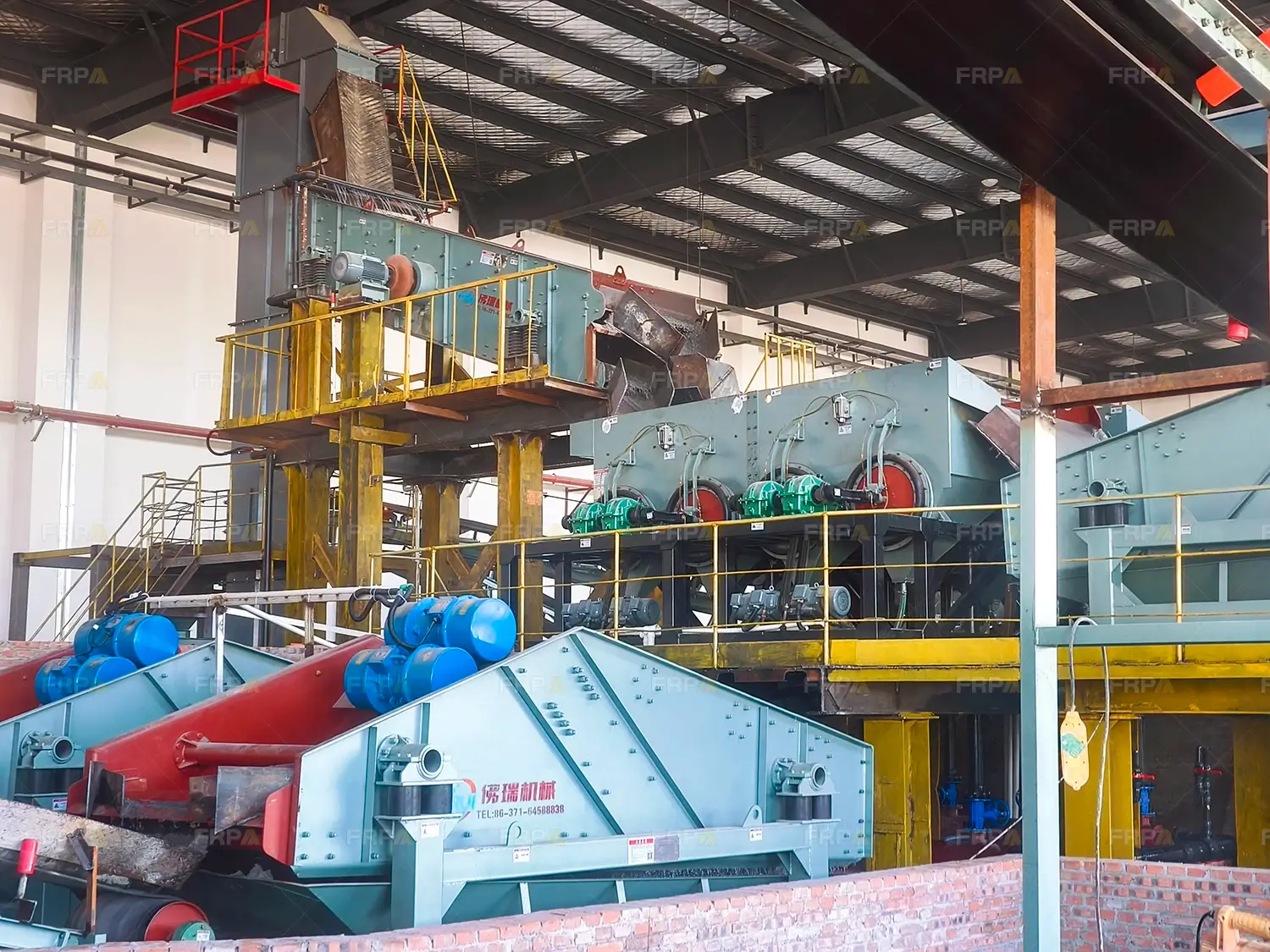
Technical Solution
Before project execution, the client sent a representative ore sample to FRP for celestite gravity separation testing. The test results met the required targets, after which the client selected FRP for process design, equipment manufacturing, and on-site commissioning.
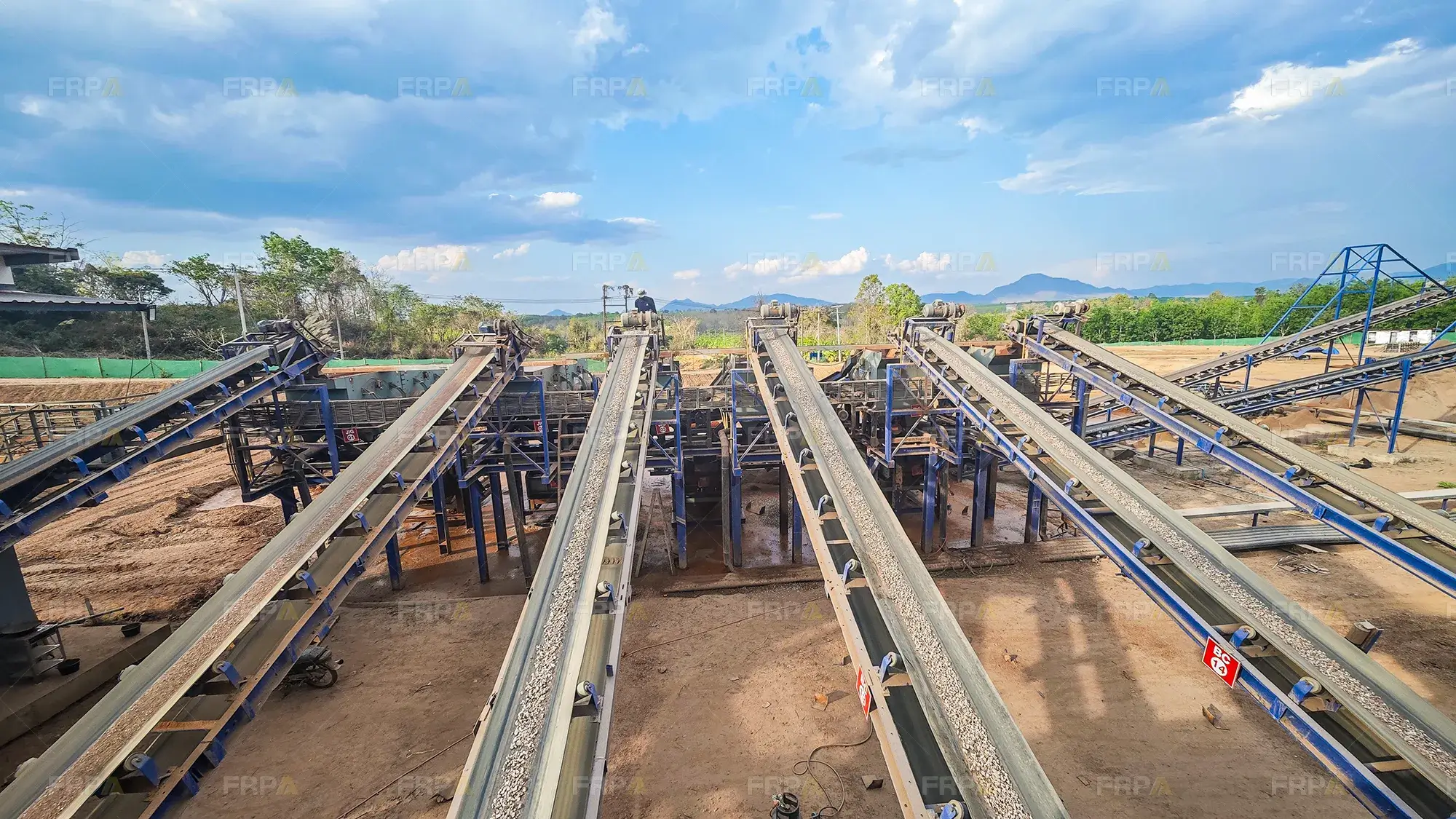
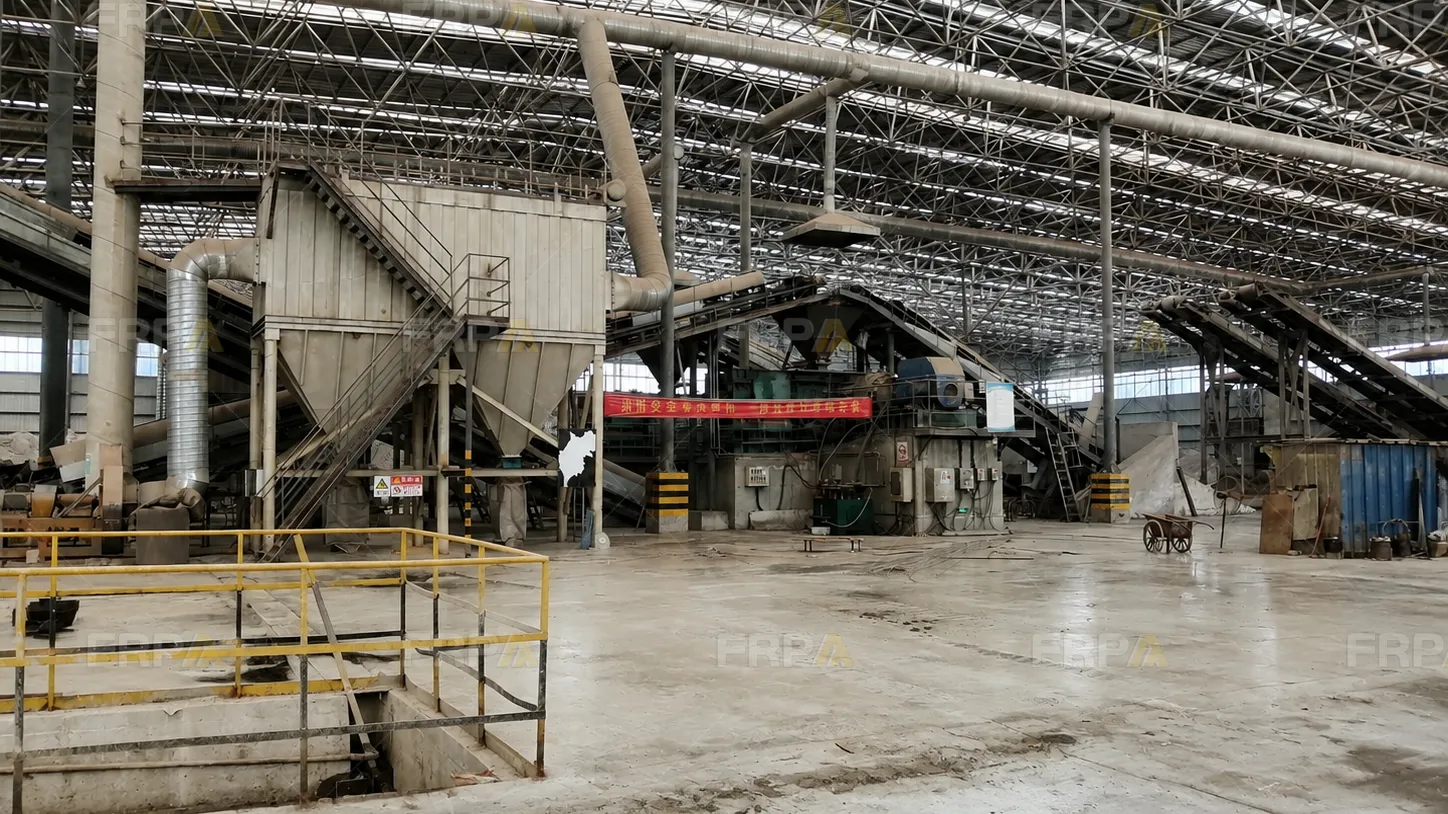
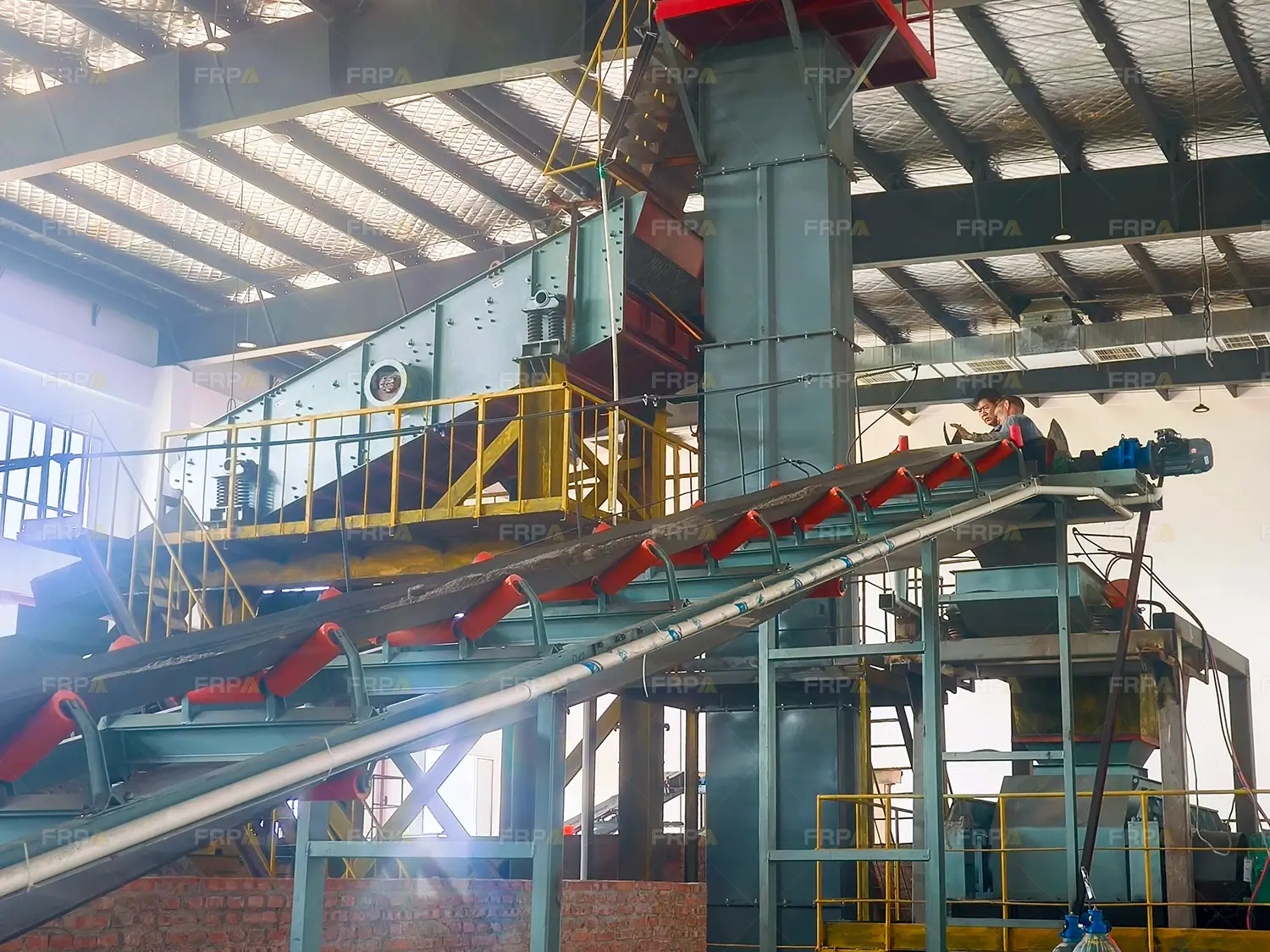
The complete celestite beneficiation line uses physical separation without flotation reagents. The flowsheet consists of four main stages: two-stage crushing, closed-circuit screening, jig concentration, and separate dewatering of concentrate and tailings. The equipment is arranged closely together to minimize the overall plant footprint.
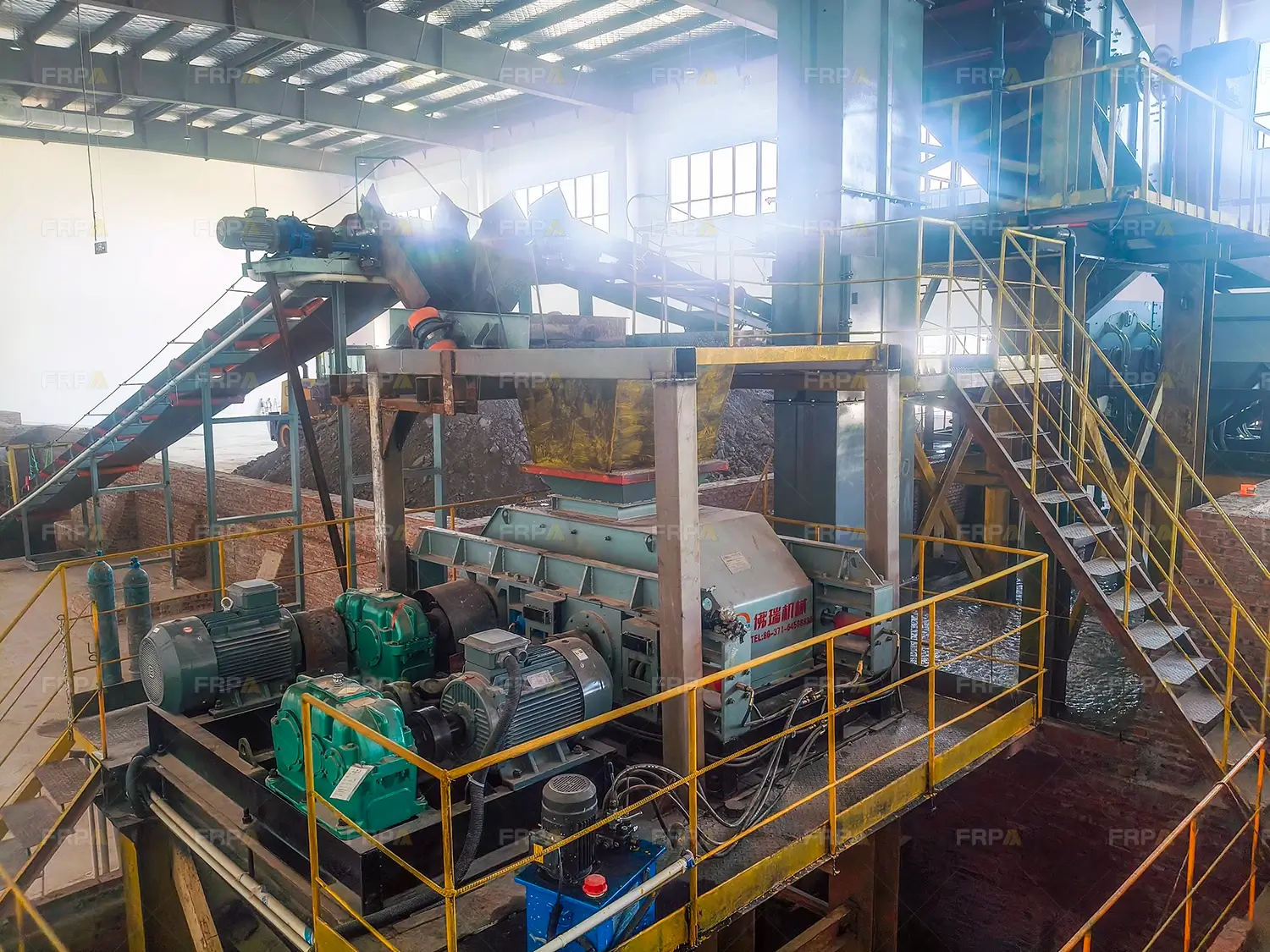
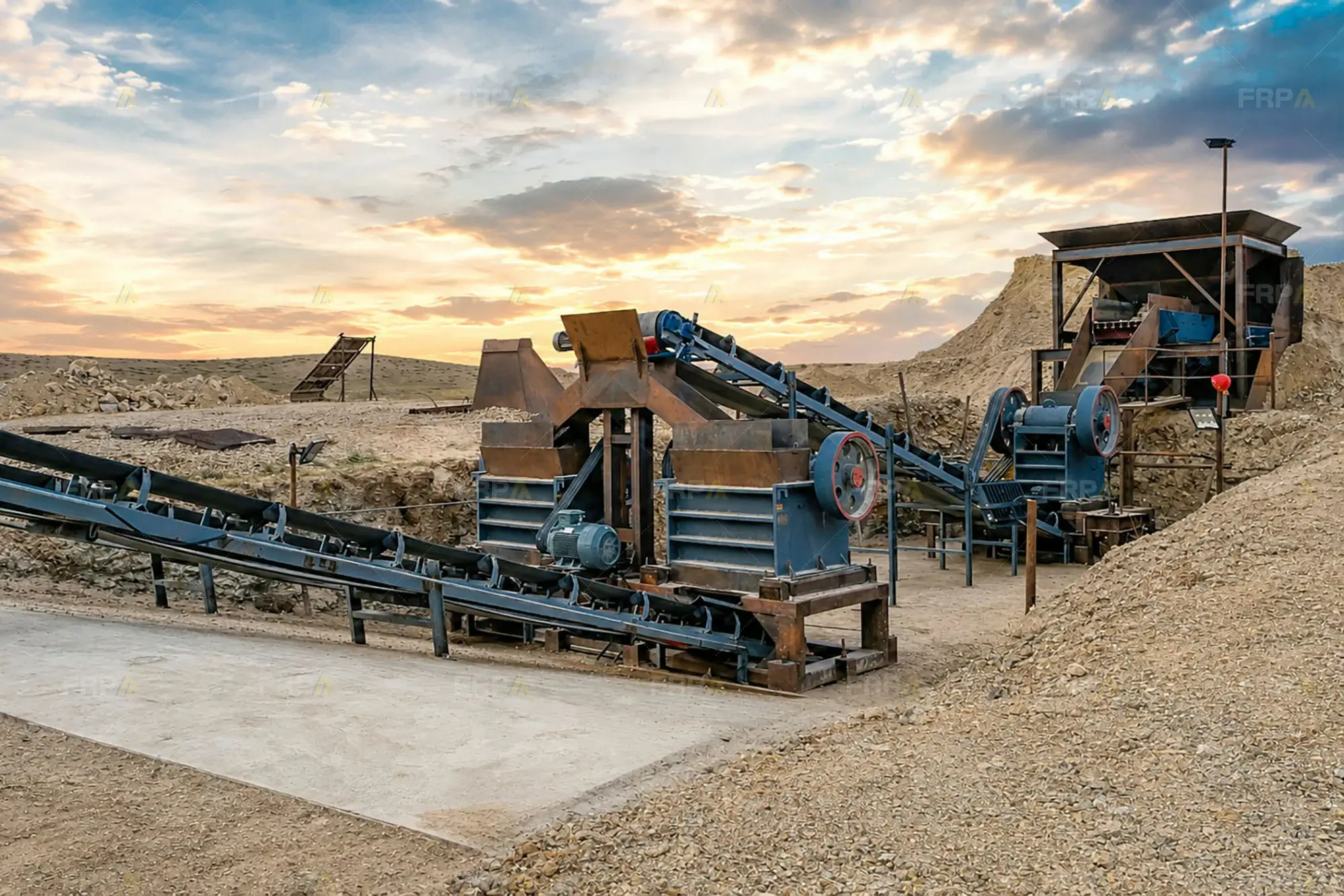
Crushing (jaw crusher + roll crusher):
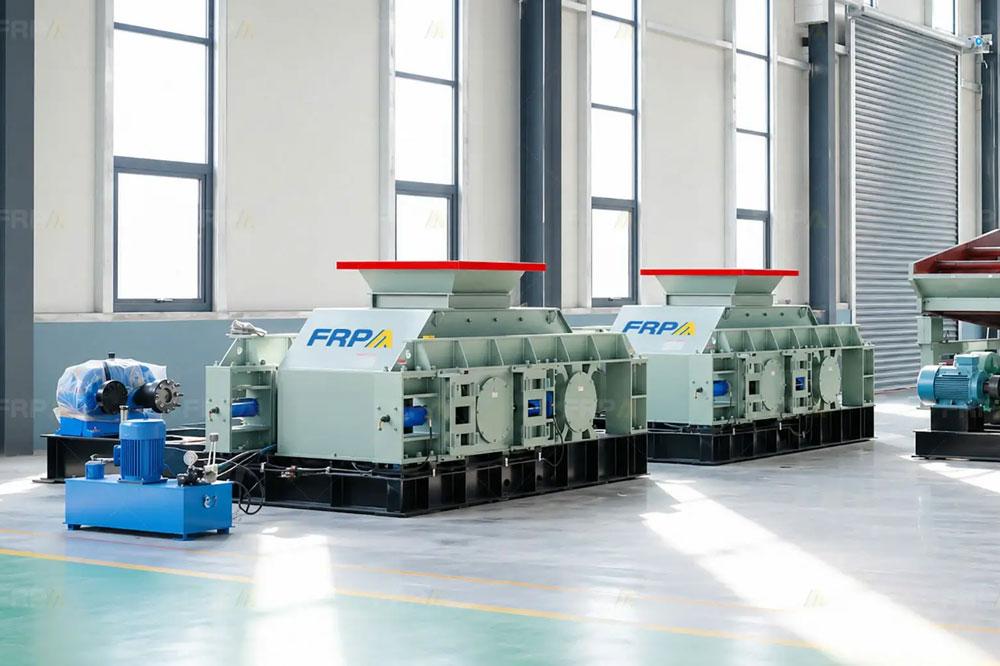
Run-of-mine celestite ore is first reduced to 20–30 mm by a jaw crusher and then further crushed by a roll crusher. Compared with high-speed impact crushing, the roll crusher generates fewer fines and provides a more controlled particle size distribution for downstream gravity separation.
Closed-circuit screening:
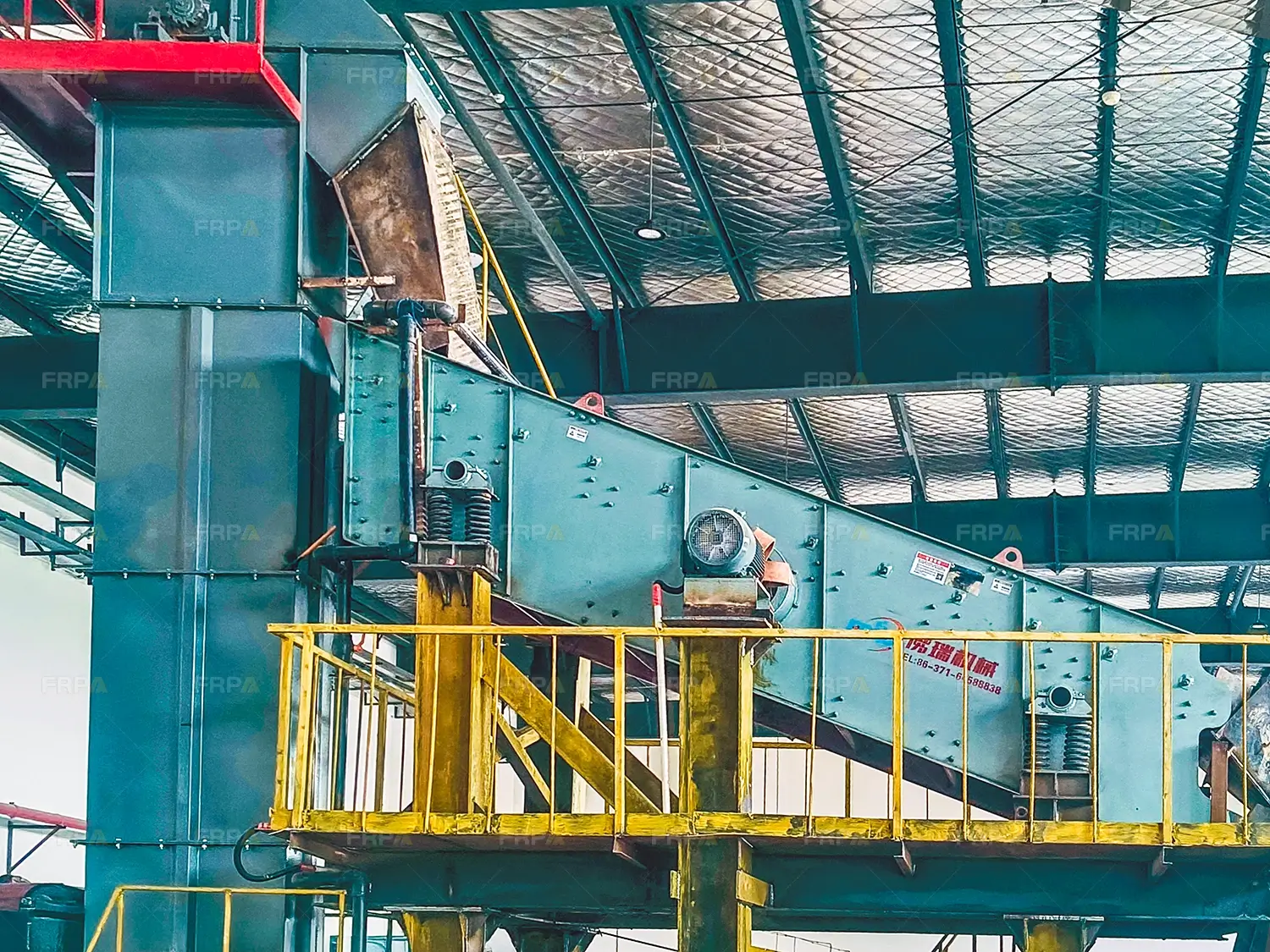
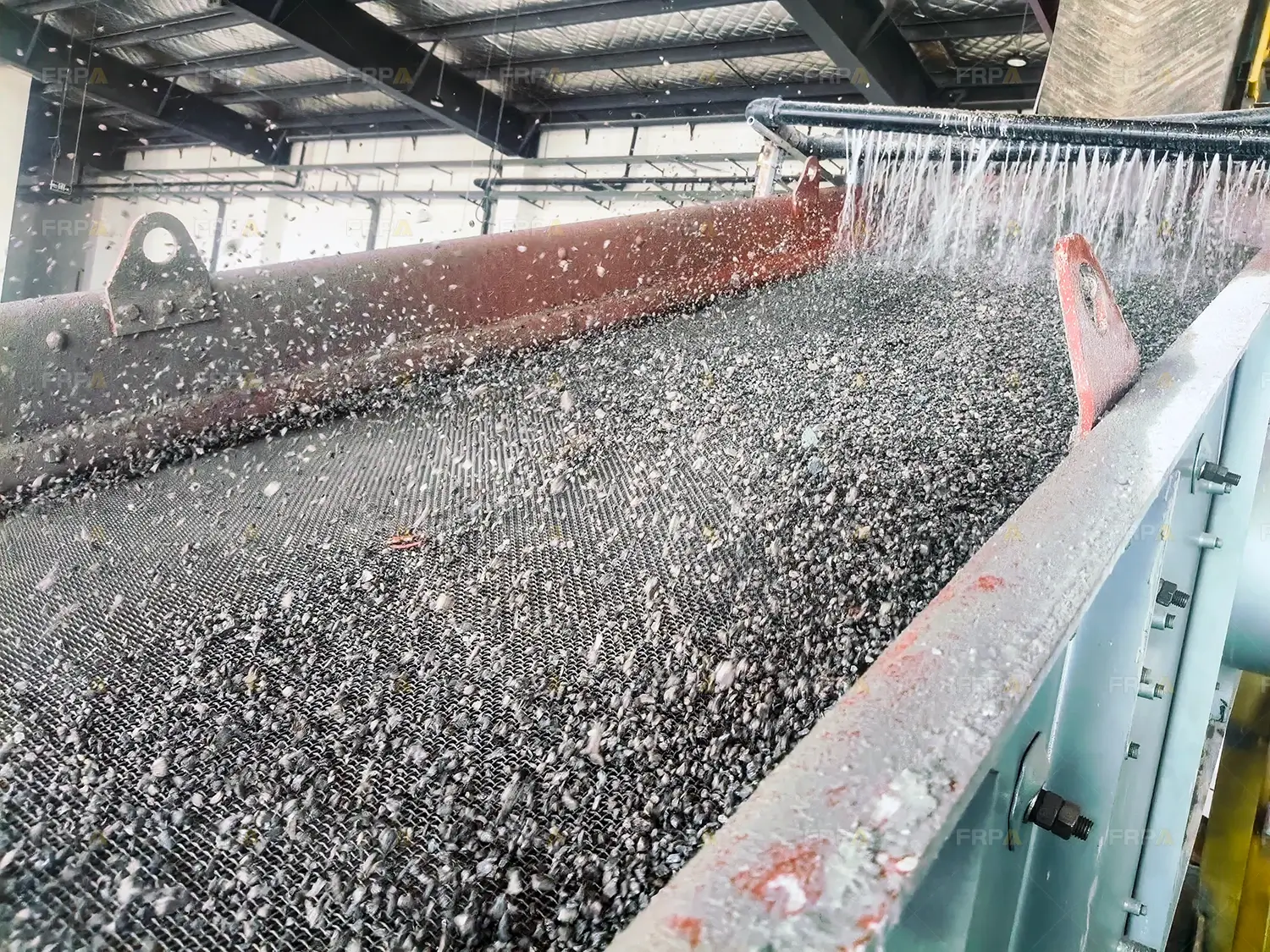
The roll crusher discharge is classified on an 8 mm vibrating screen. The −8 mm fraction reports to the jig feed bin, while the +8 mm fraction returns to the roll crusher via a recycle conveyor, forming a compact closed-circuit crushing and screening system.
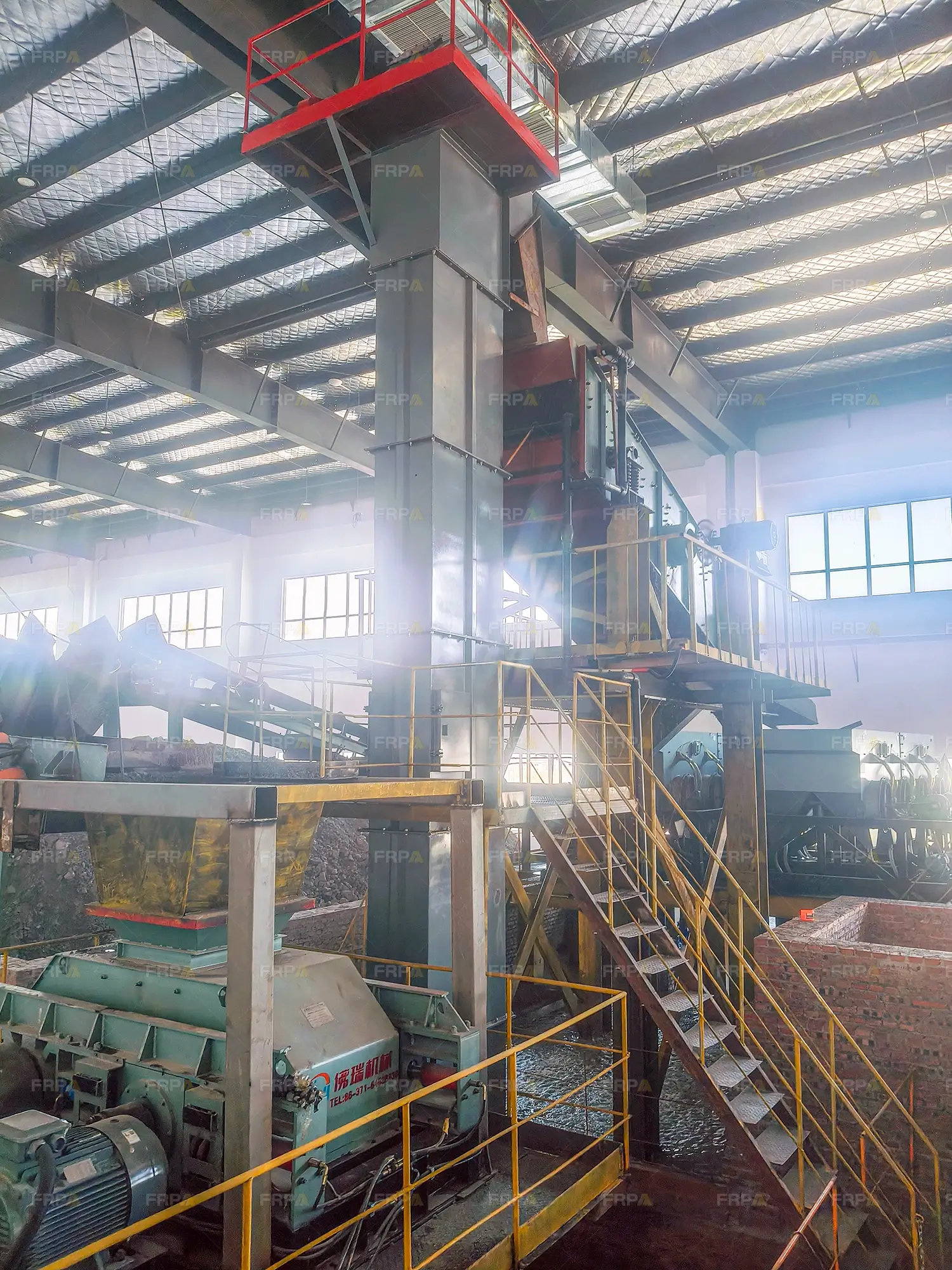
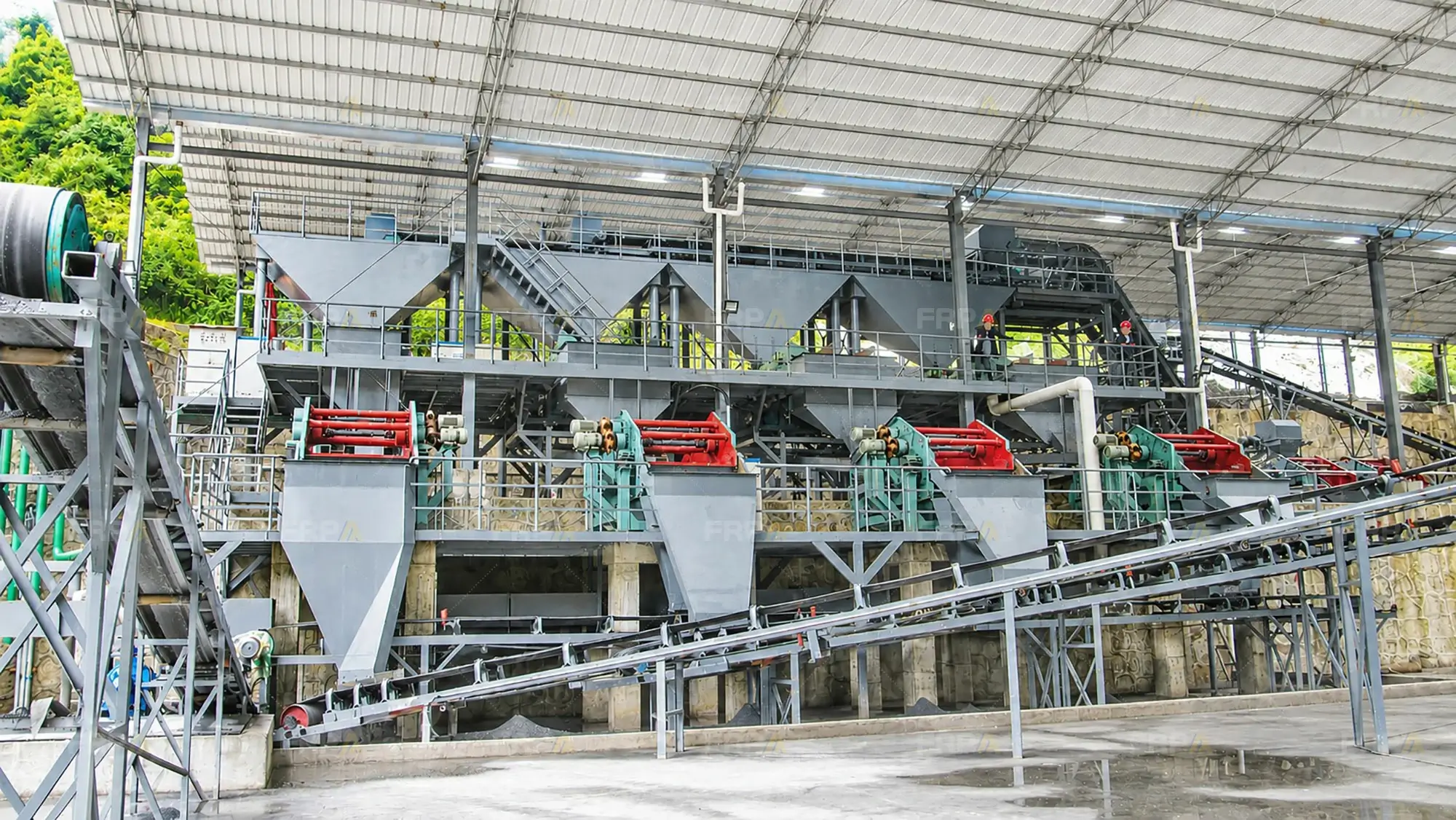
Jig concentration:
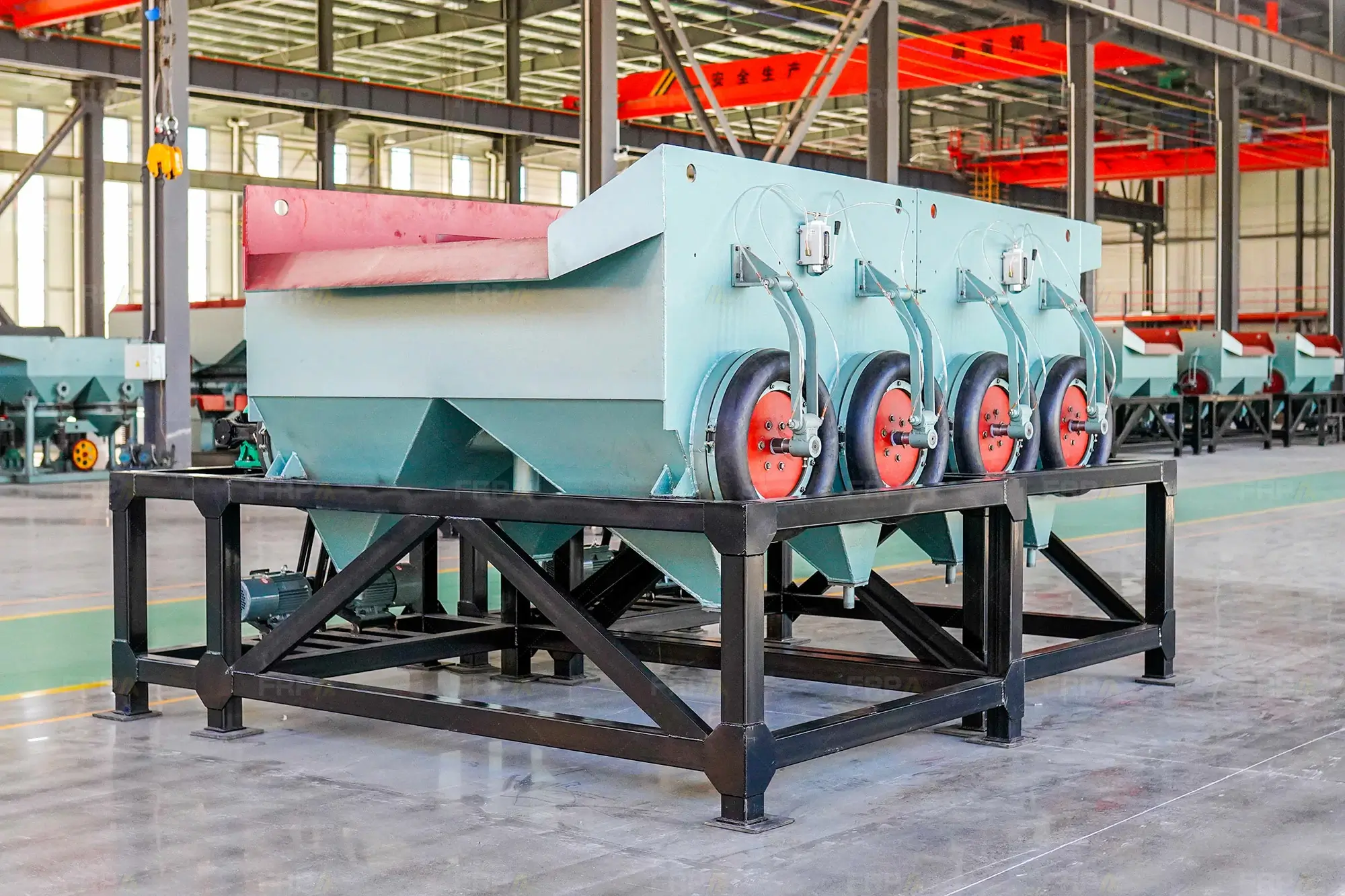
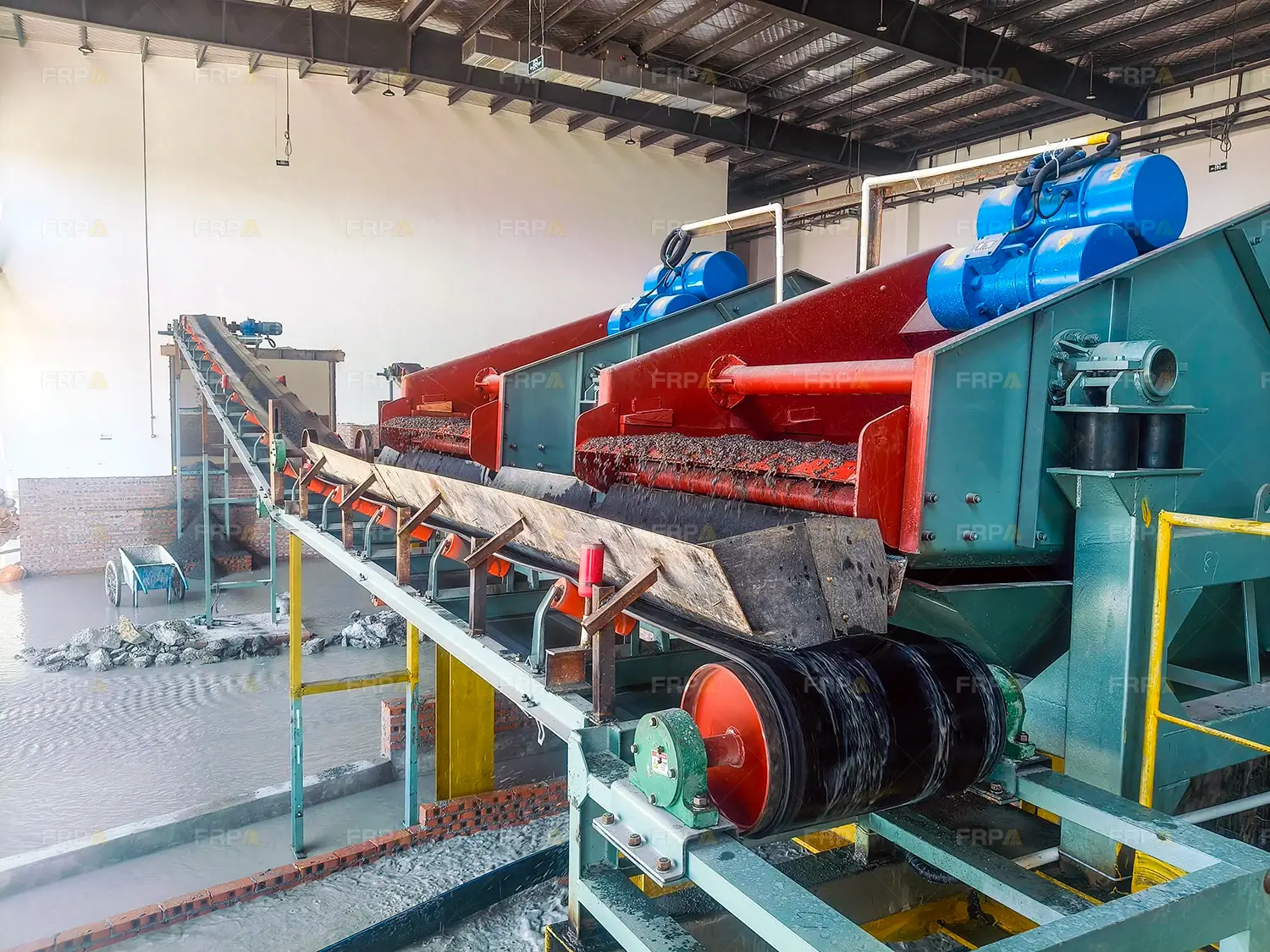
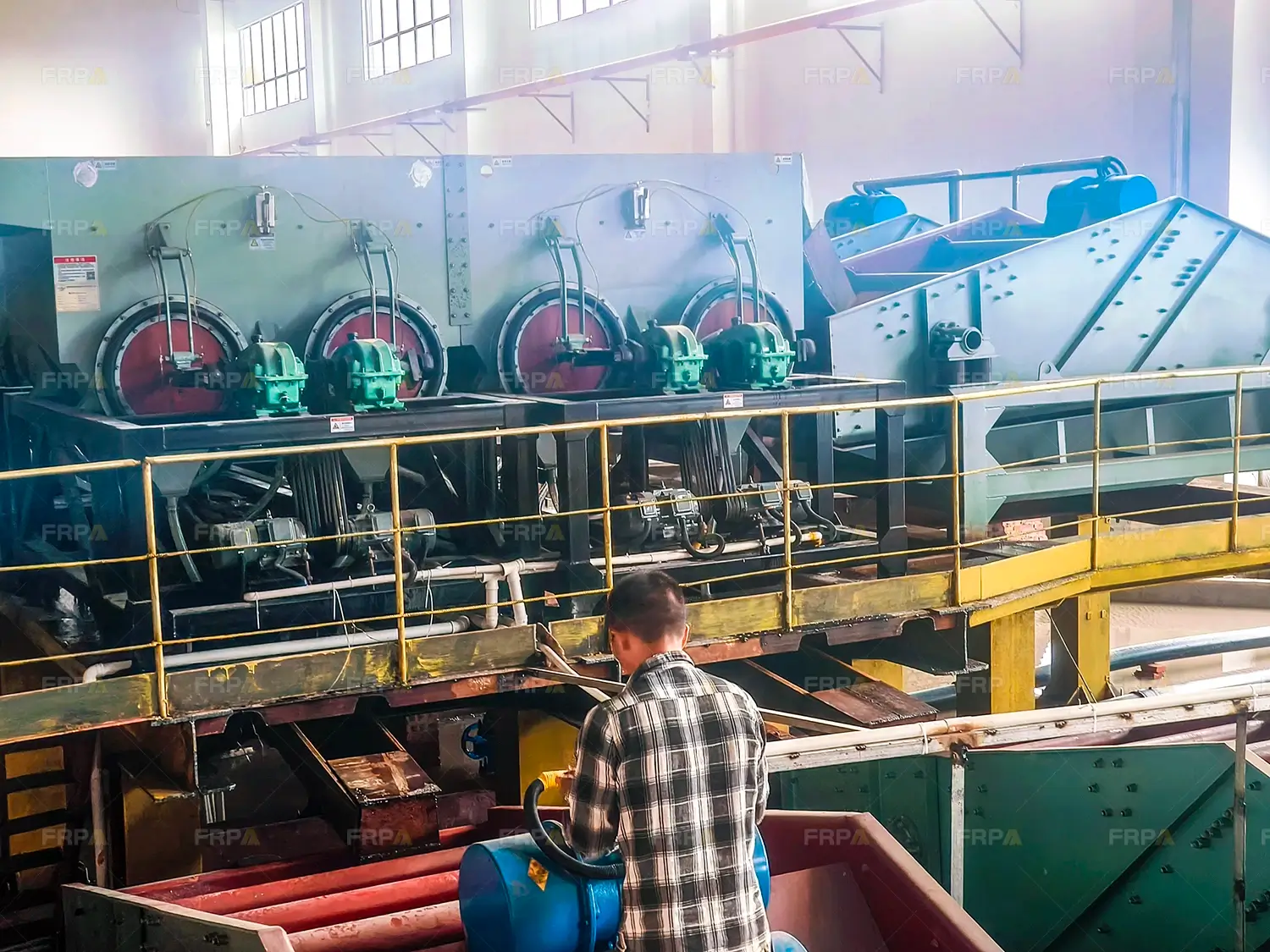
The −8 mm fraction is processed by two 2LTC6109-8T jig concentrators, where the higher-density celestite is separated from the lighter gangue minerals. Jig operating conditions can be adjusted to accommodate normal variations in feed characteristics.
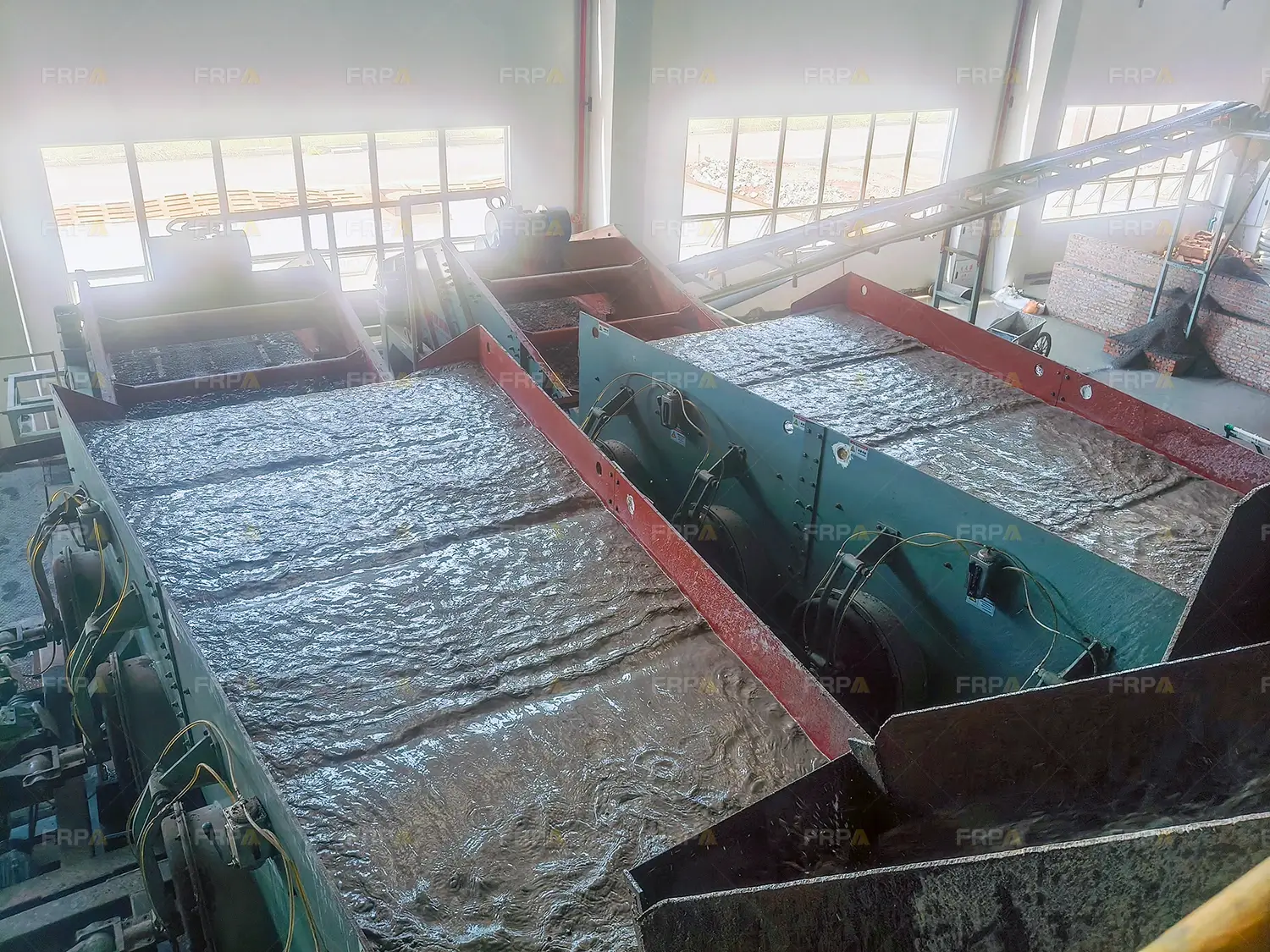
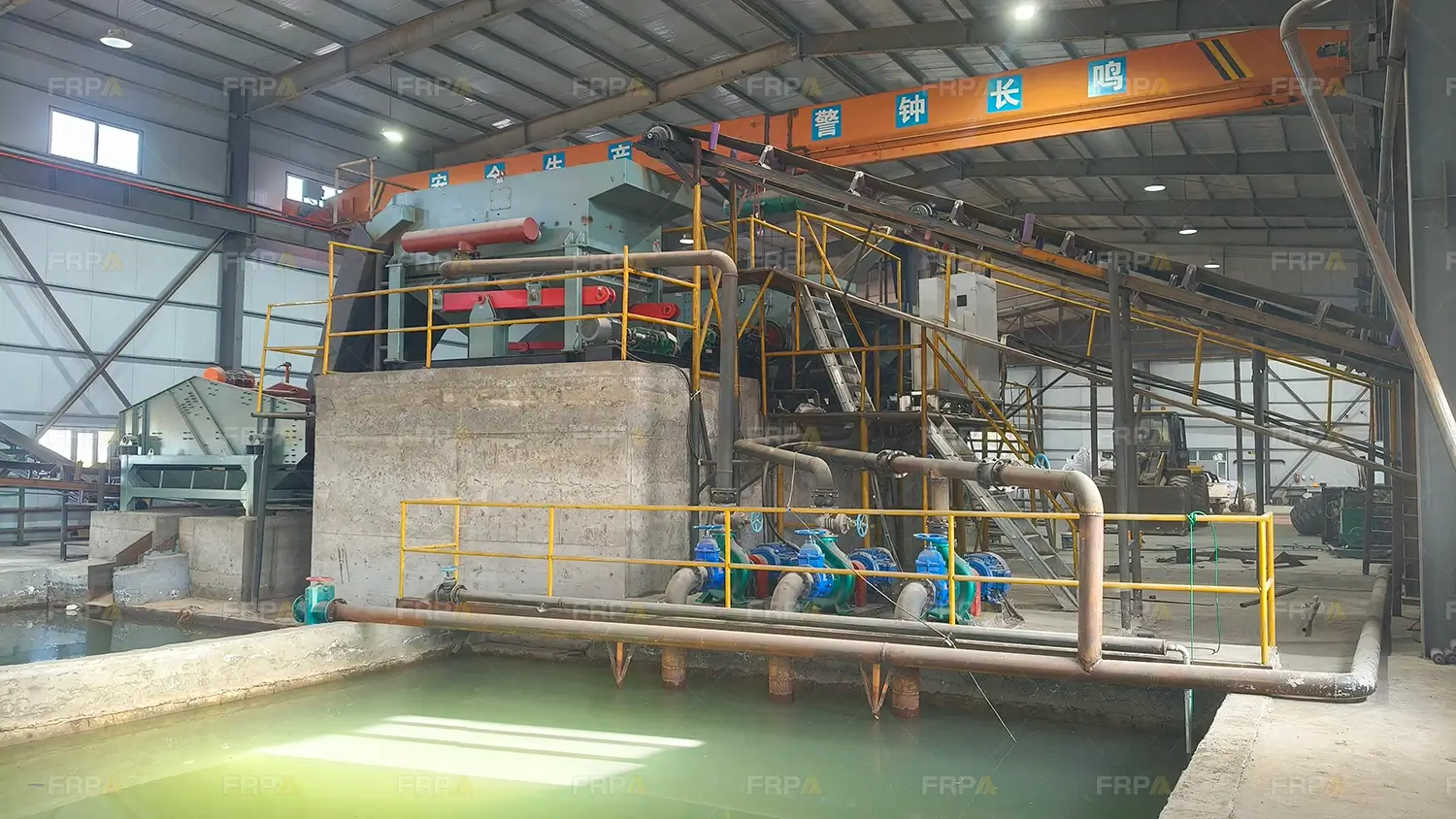
Dewatering and water recycling :
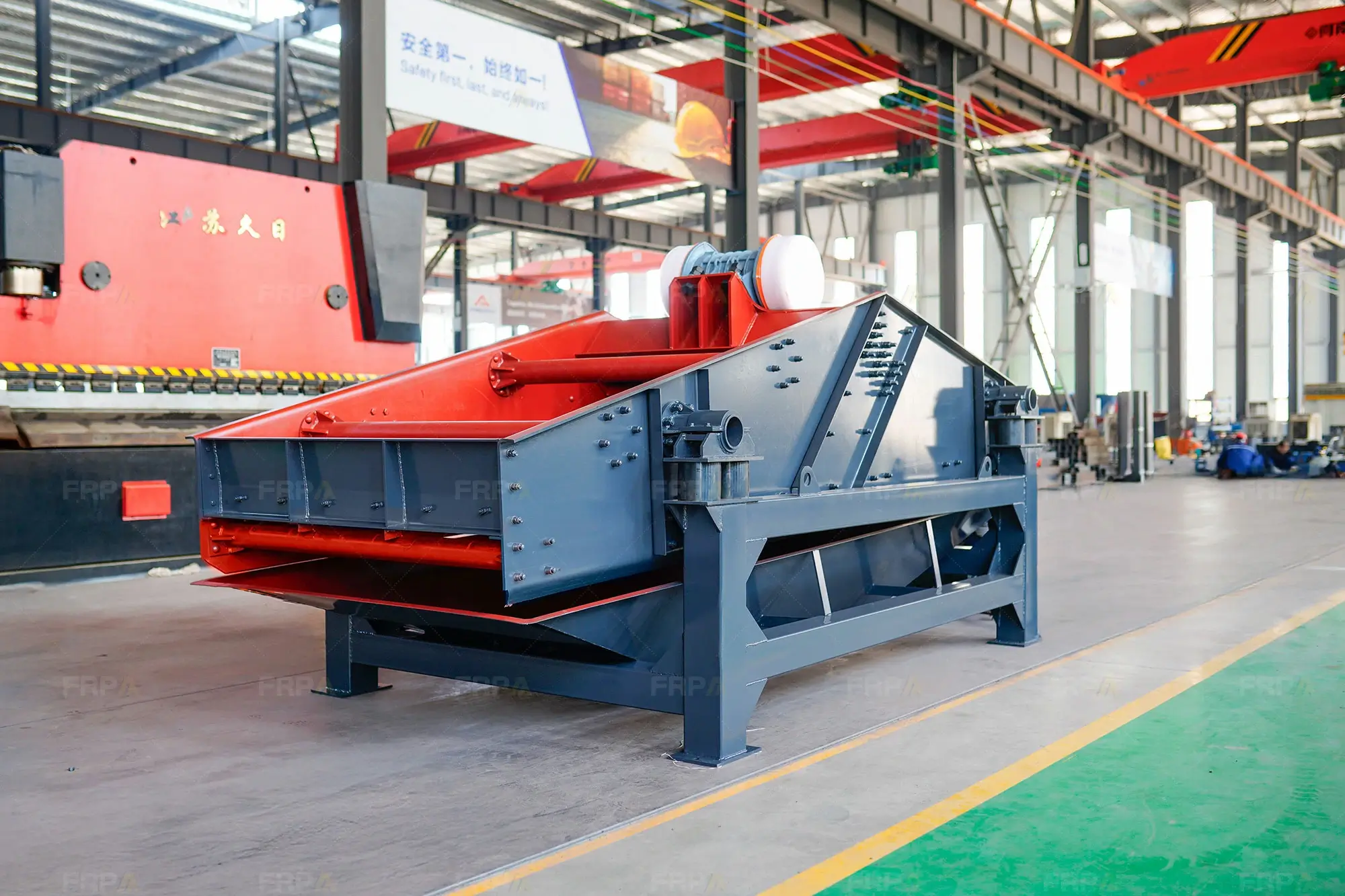
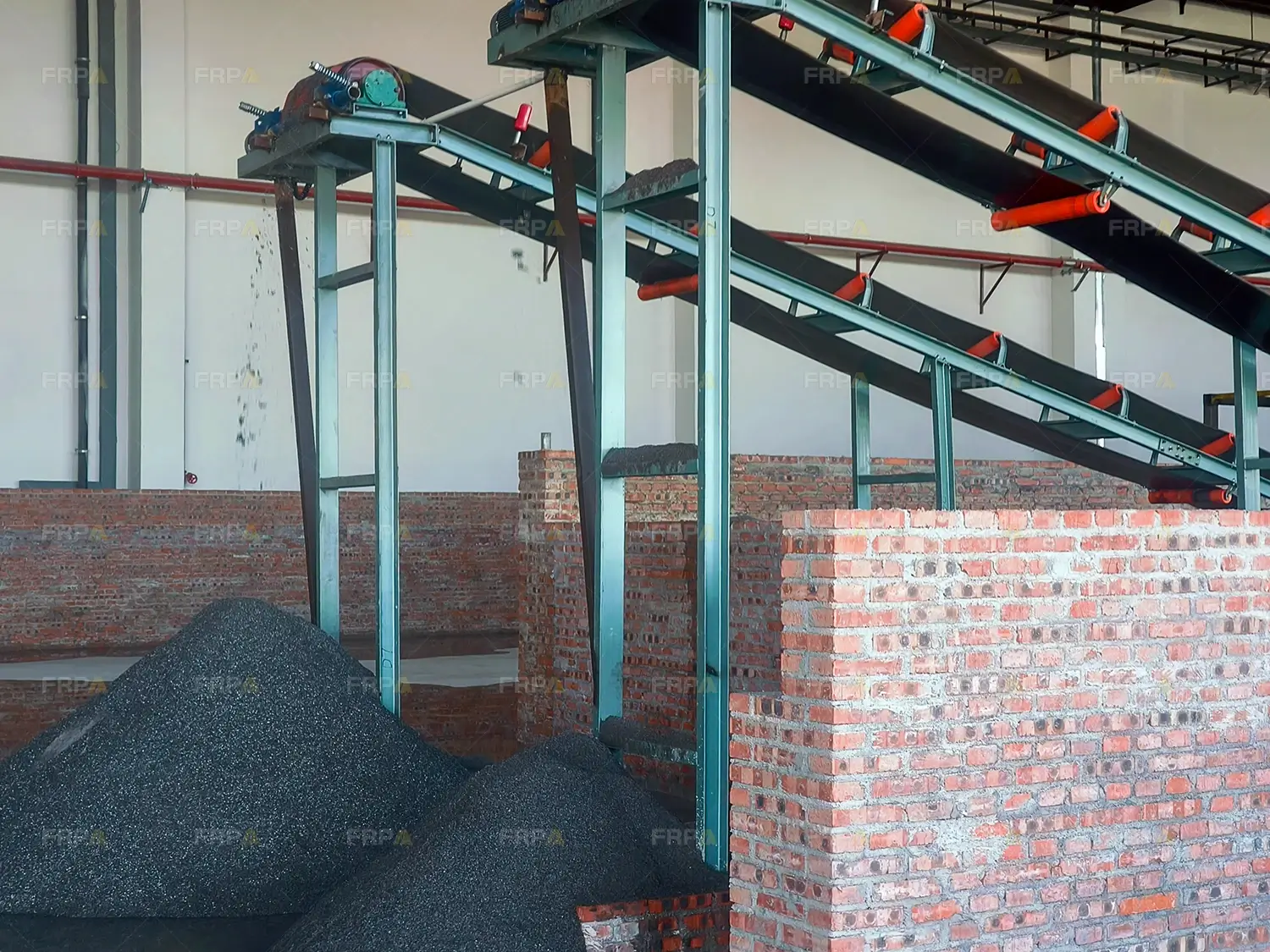
Celestite concentrate and tailings are dewatered separately on dedicated dewatering screens. After dewatering, the concentrate can be stacked and transported directly, while the tailings are suitable for dry stacking. Screen underflow water is clarified and 100% recirculated to the jig circuit as makeup water, minimizing fresh-water consumption and eliminating process-water discharge.


For any celestite beneficiation project, the suitability of gravity separation should be evaluated first. Send us your ore sample or ore analysis report. We can test the ore, define the recovery curve, and develop a complete celestite beneficiation flowsheet before you commit to equipment purchase.
Have a question, need advice, or want to schedule an appointment? We're happy to assist with any inquiries you have about our equipment and system solutions.