Intensive Material-on-Material Scrubbing
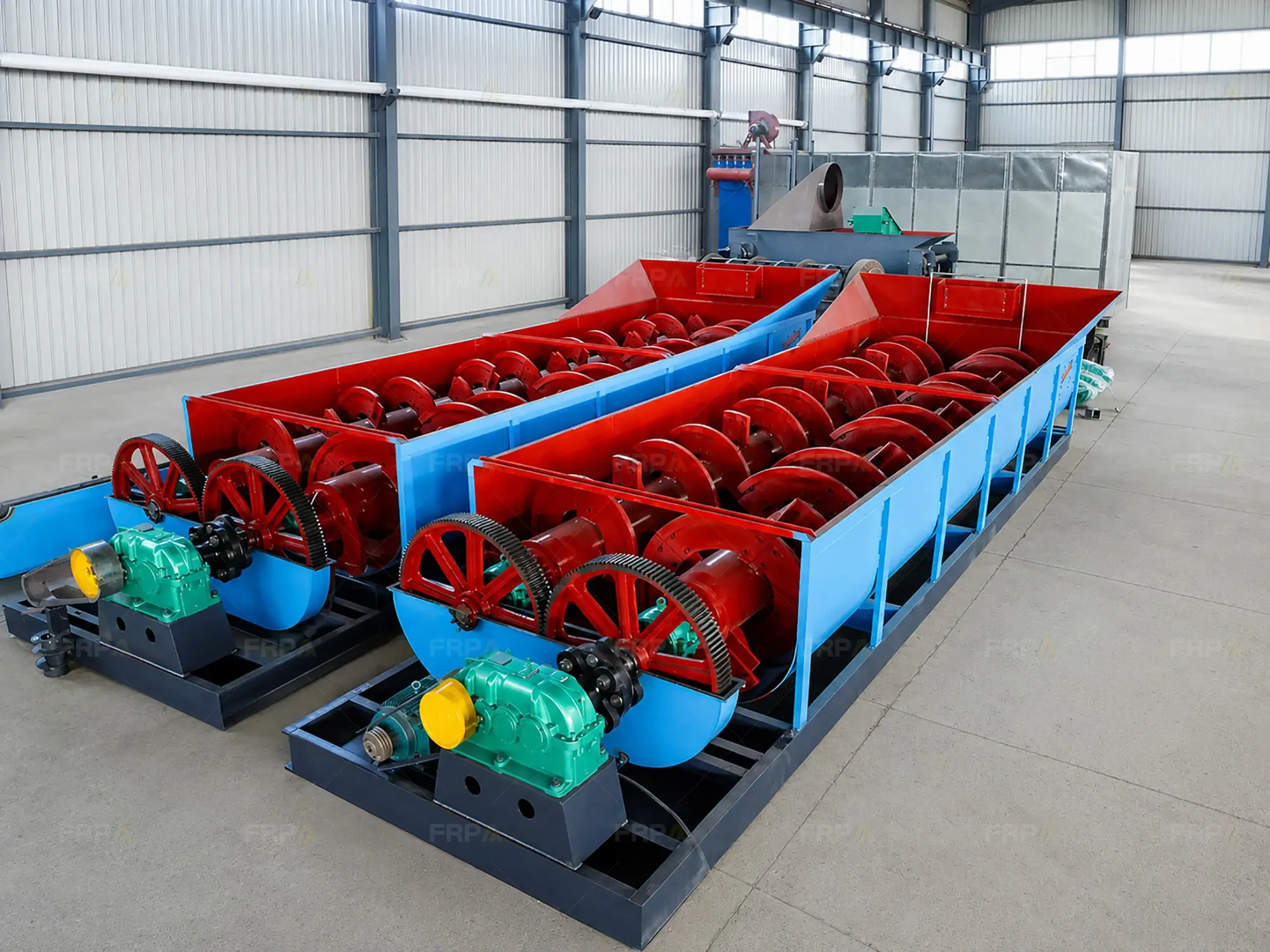
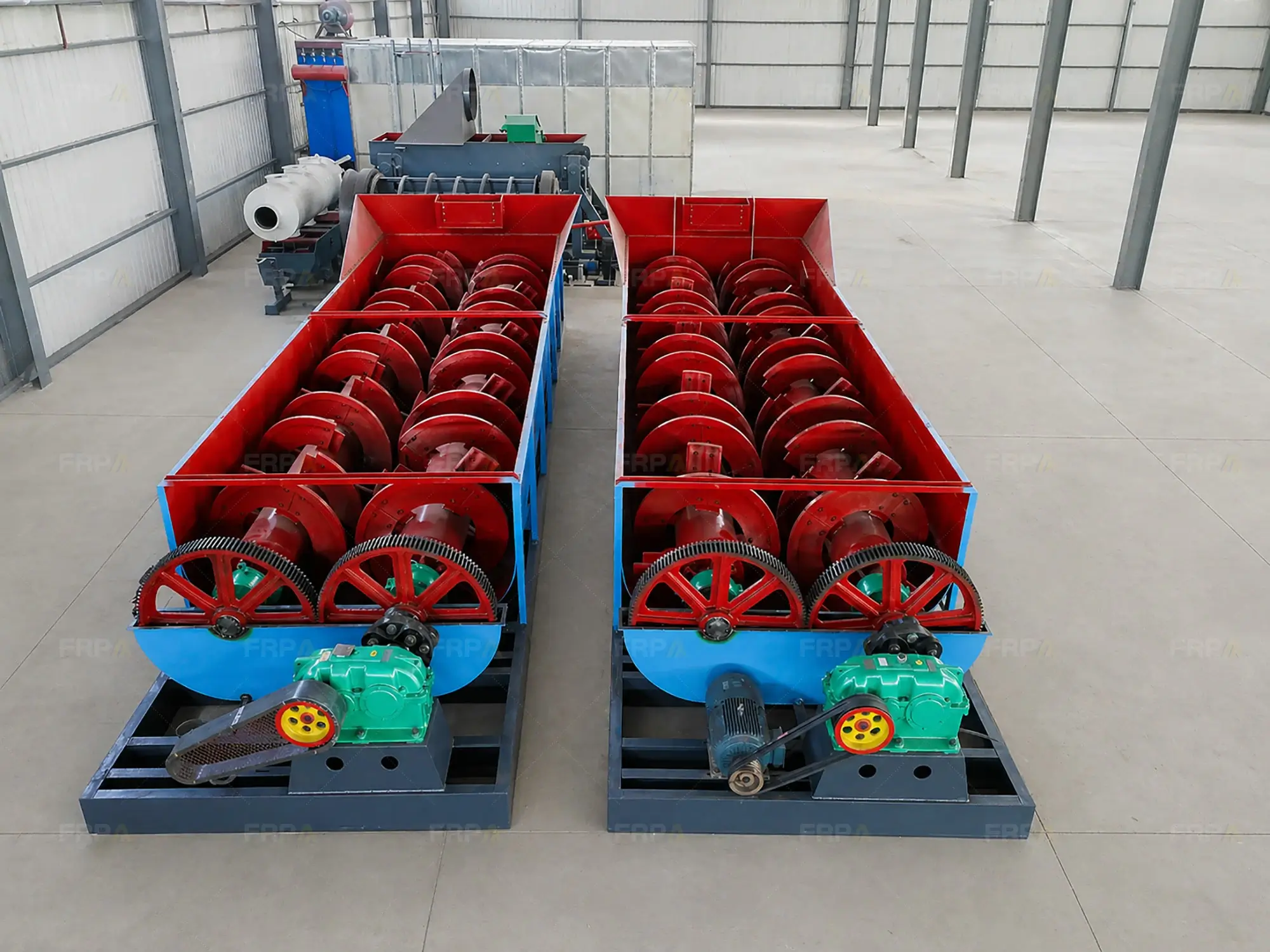
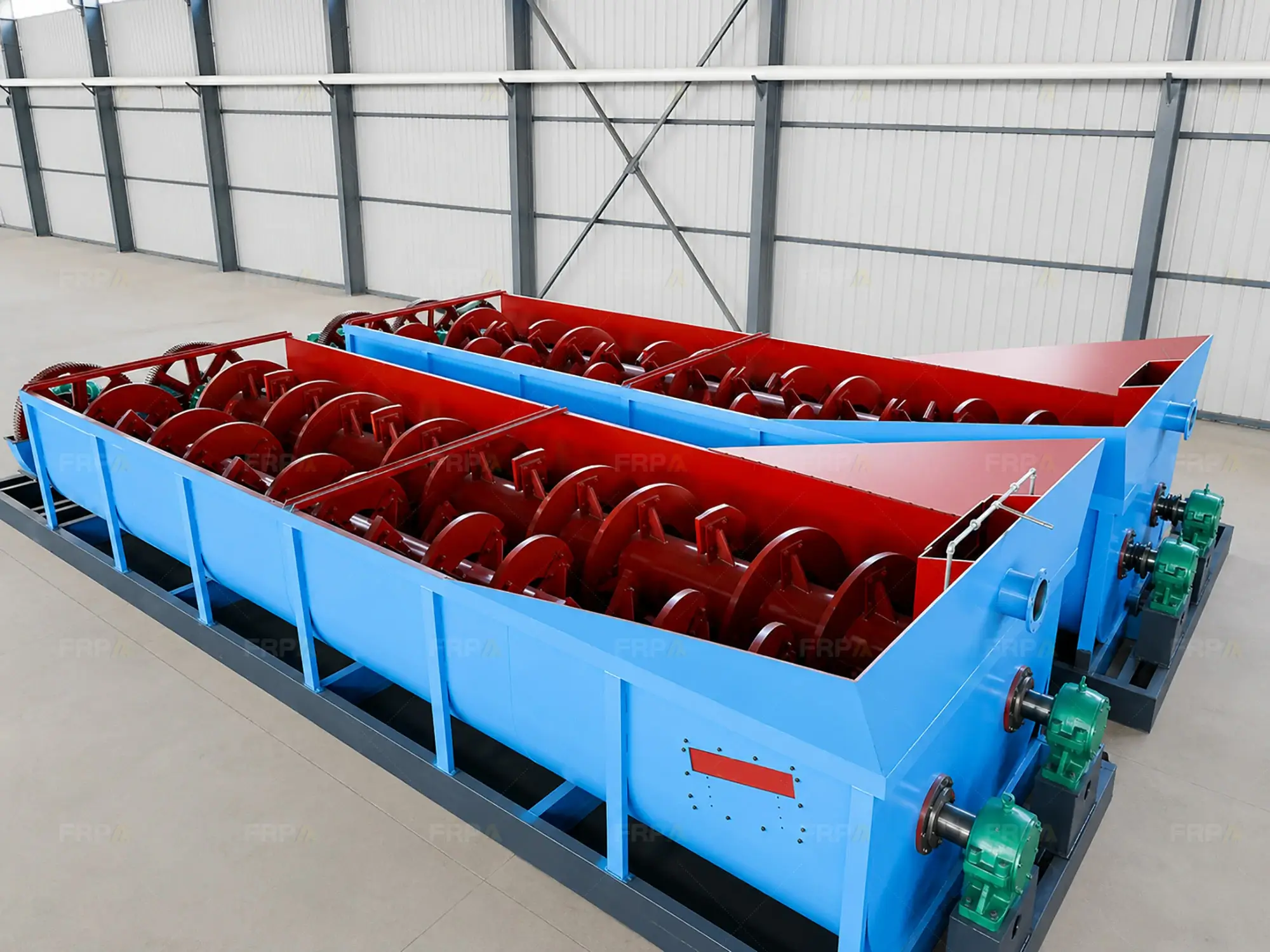
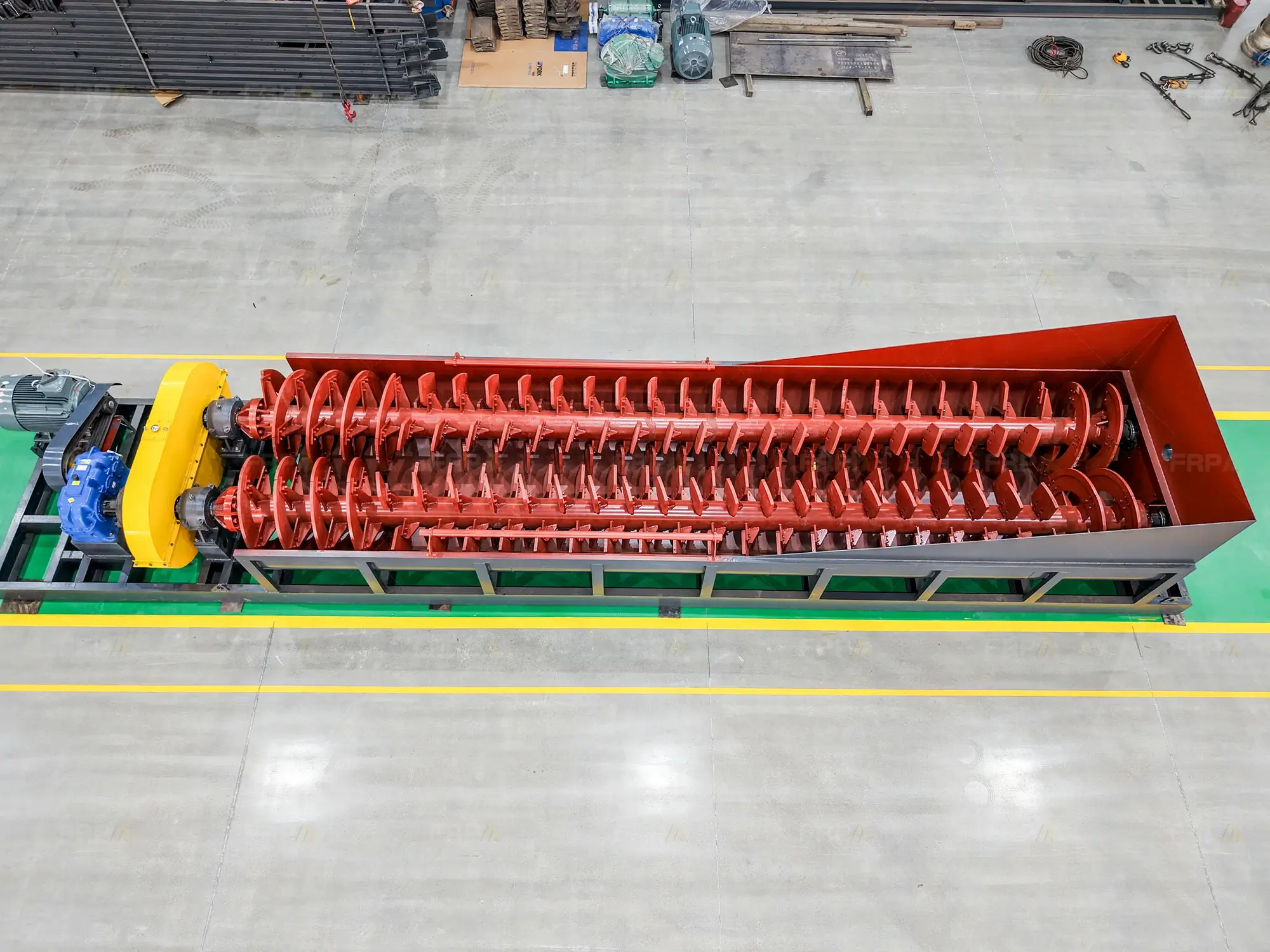
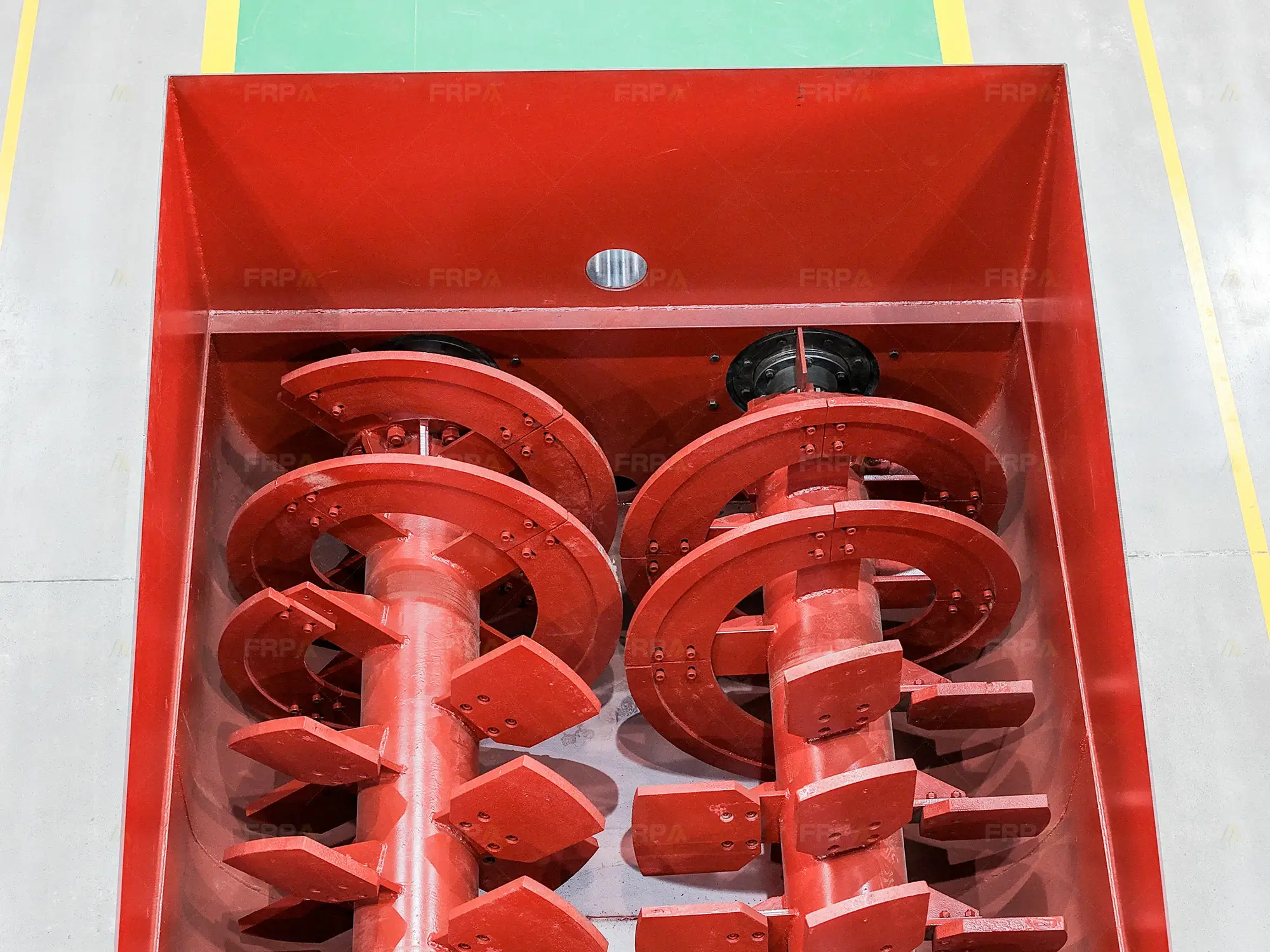
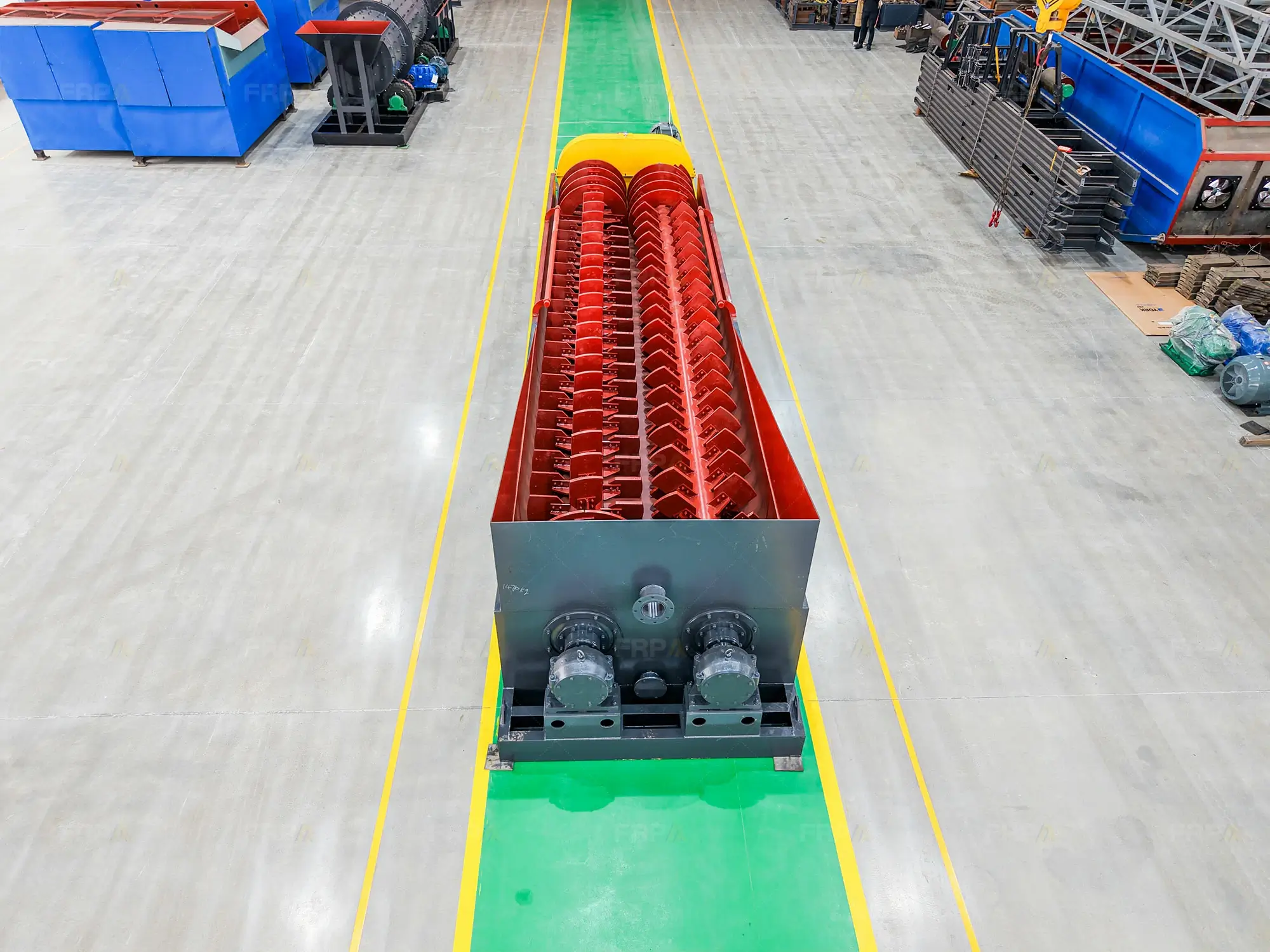
Twin counter-rotating shafts generate aggressive shear and abrasion between particles, achieving complete dispersion of clay-bound materials and removal of coatings.






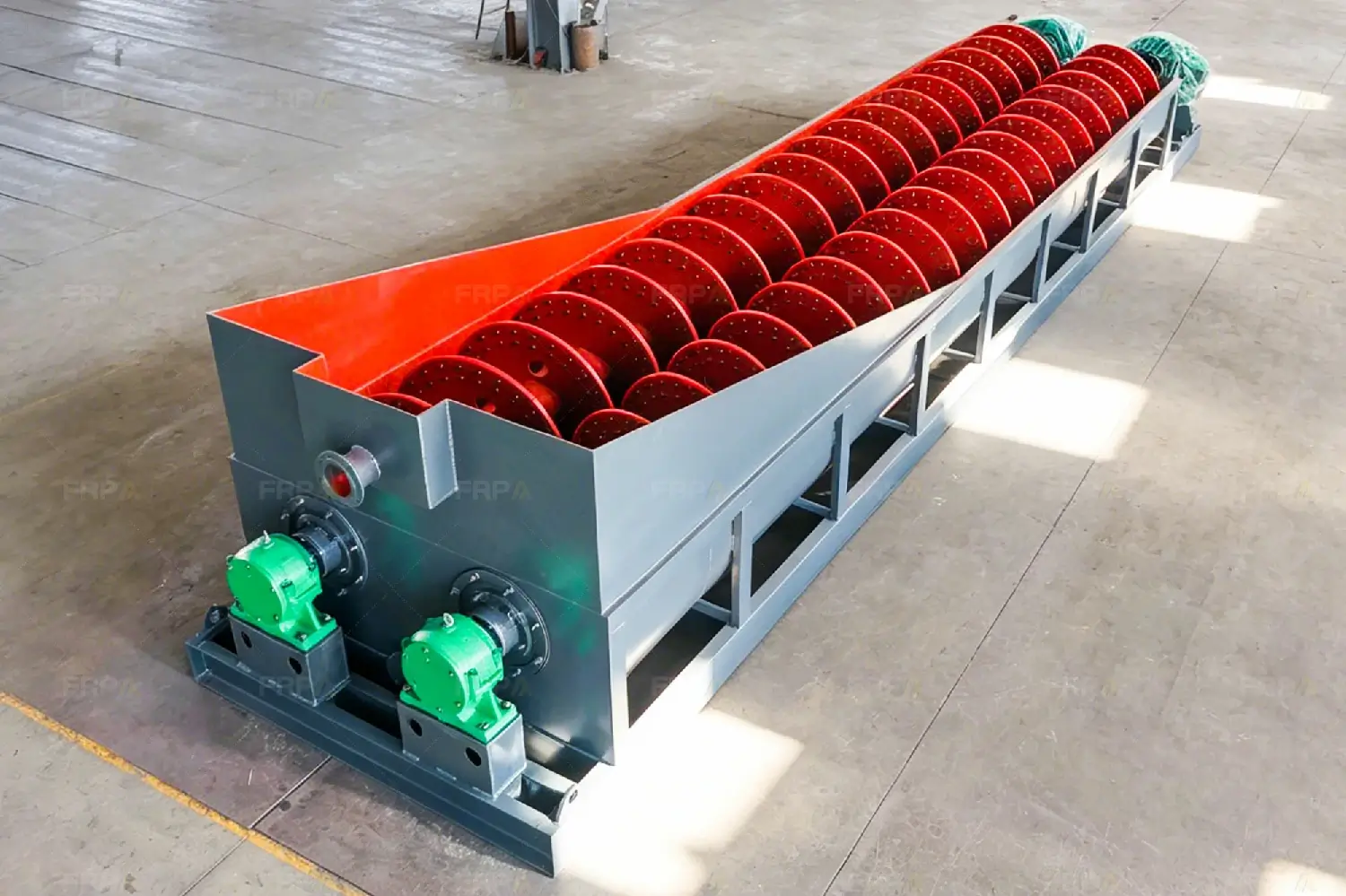
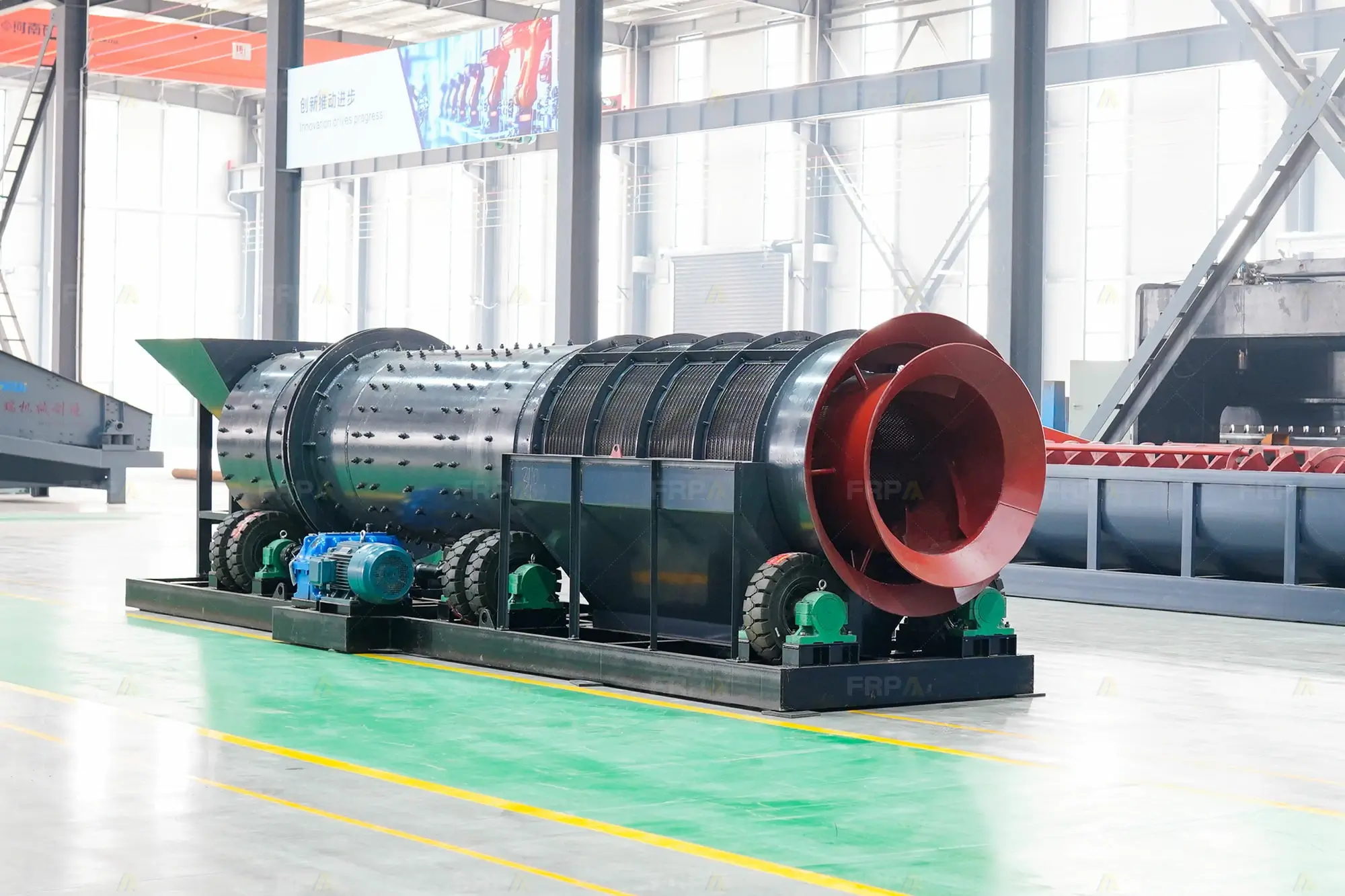
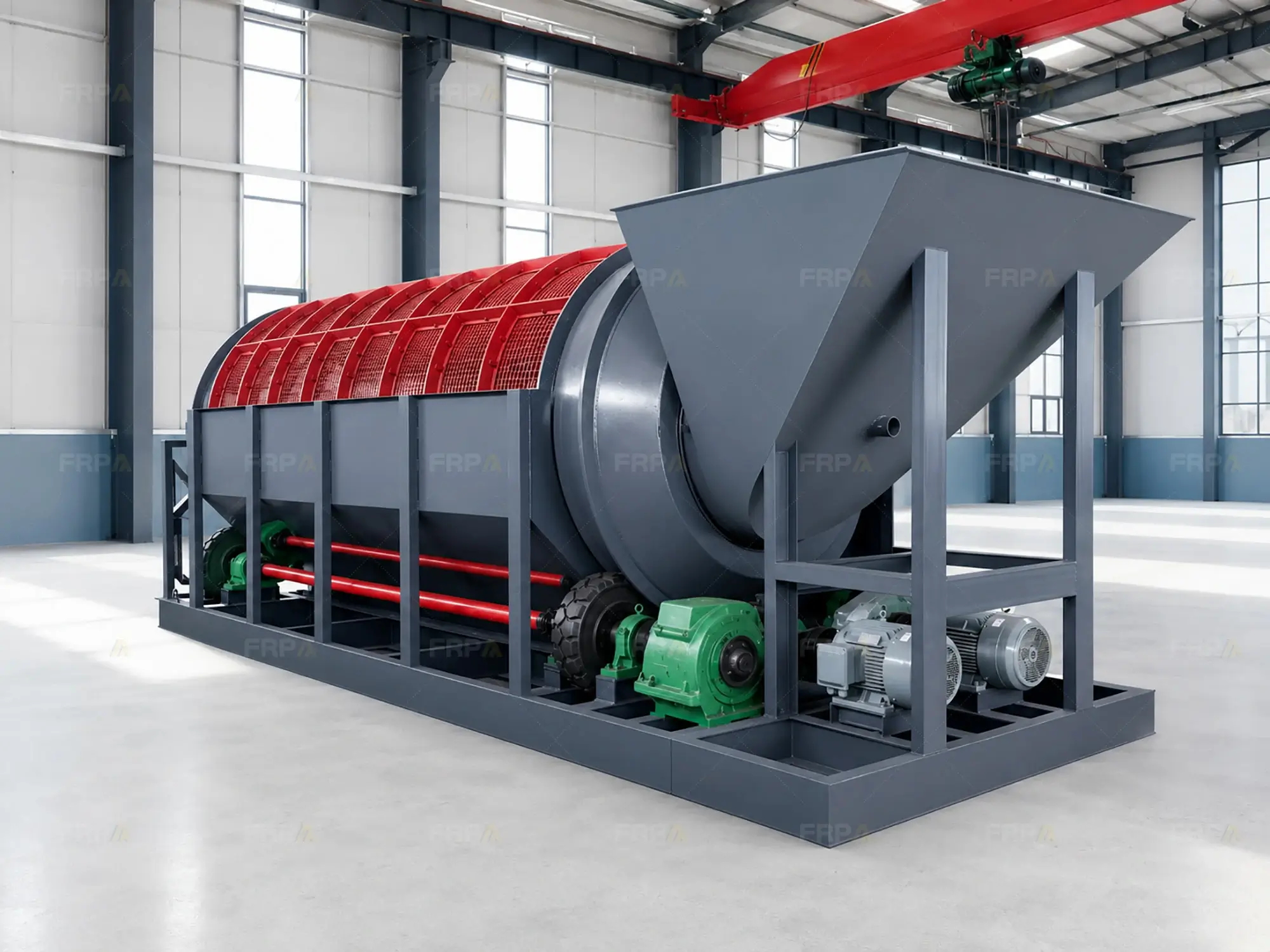
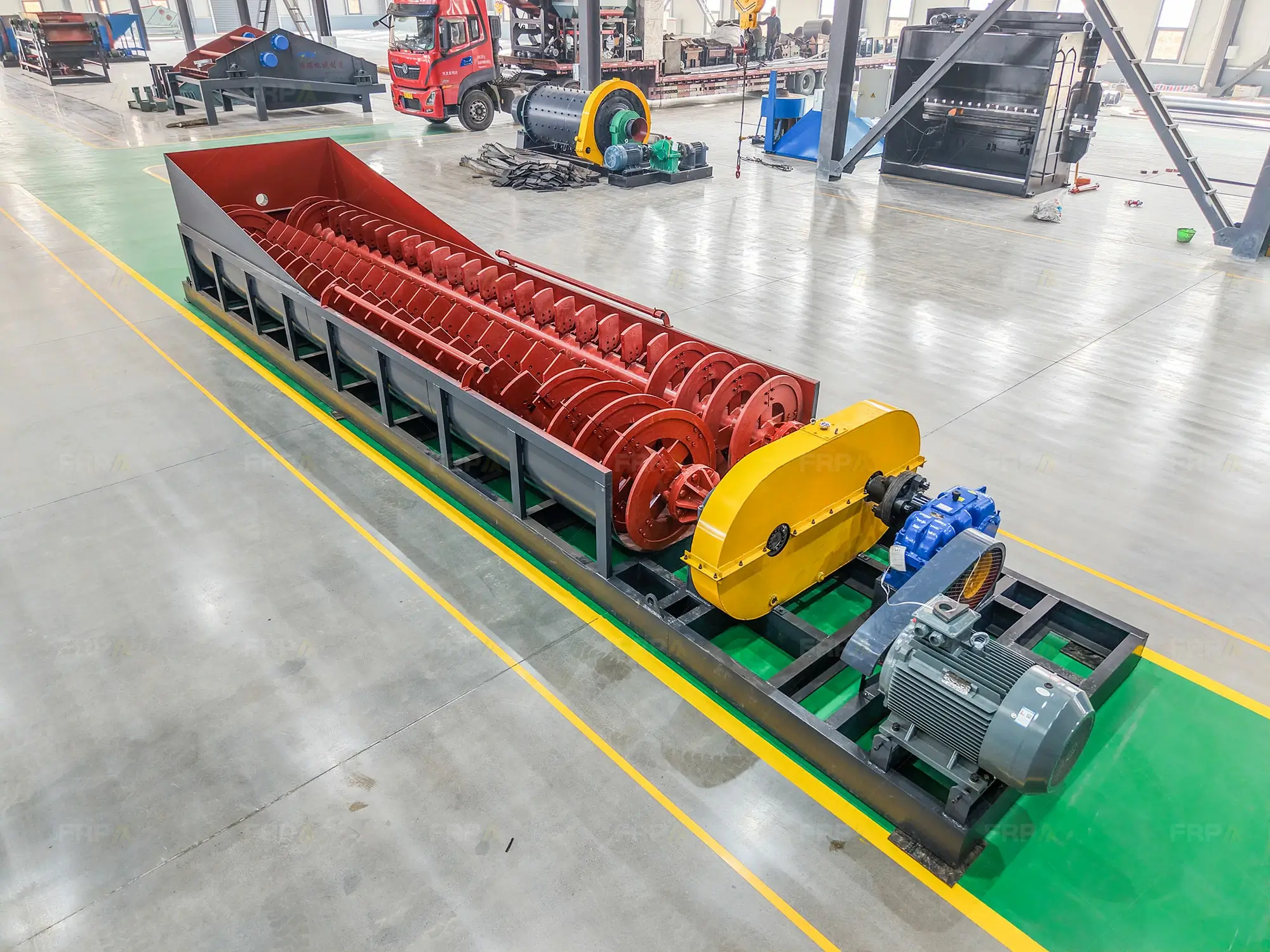
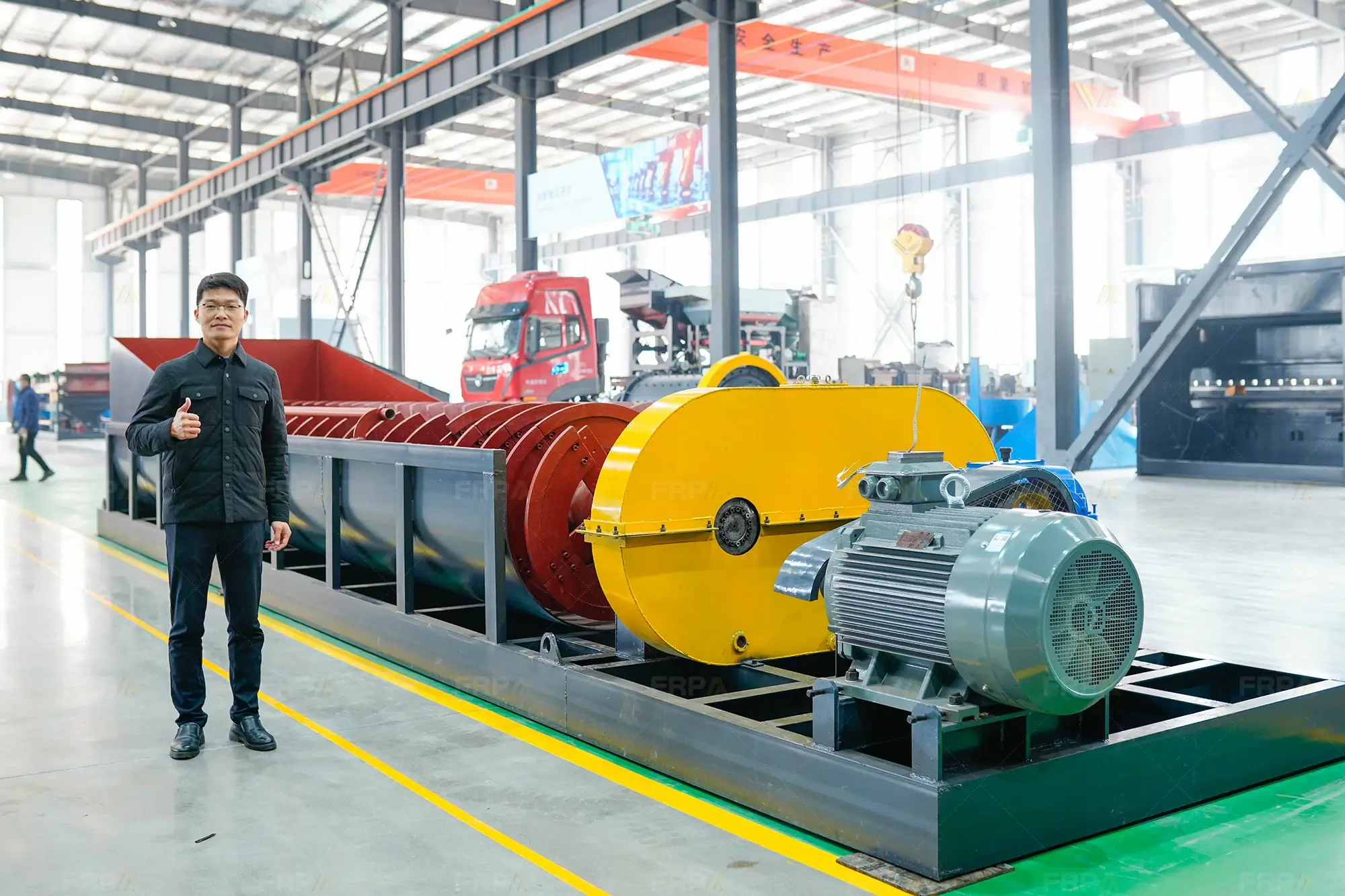
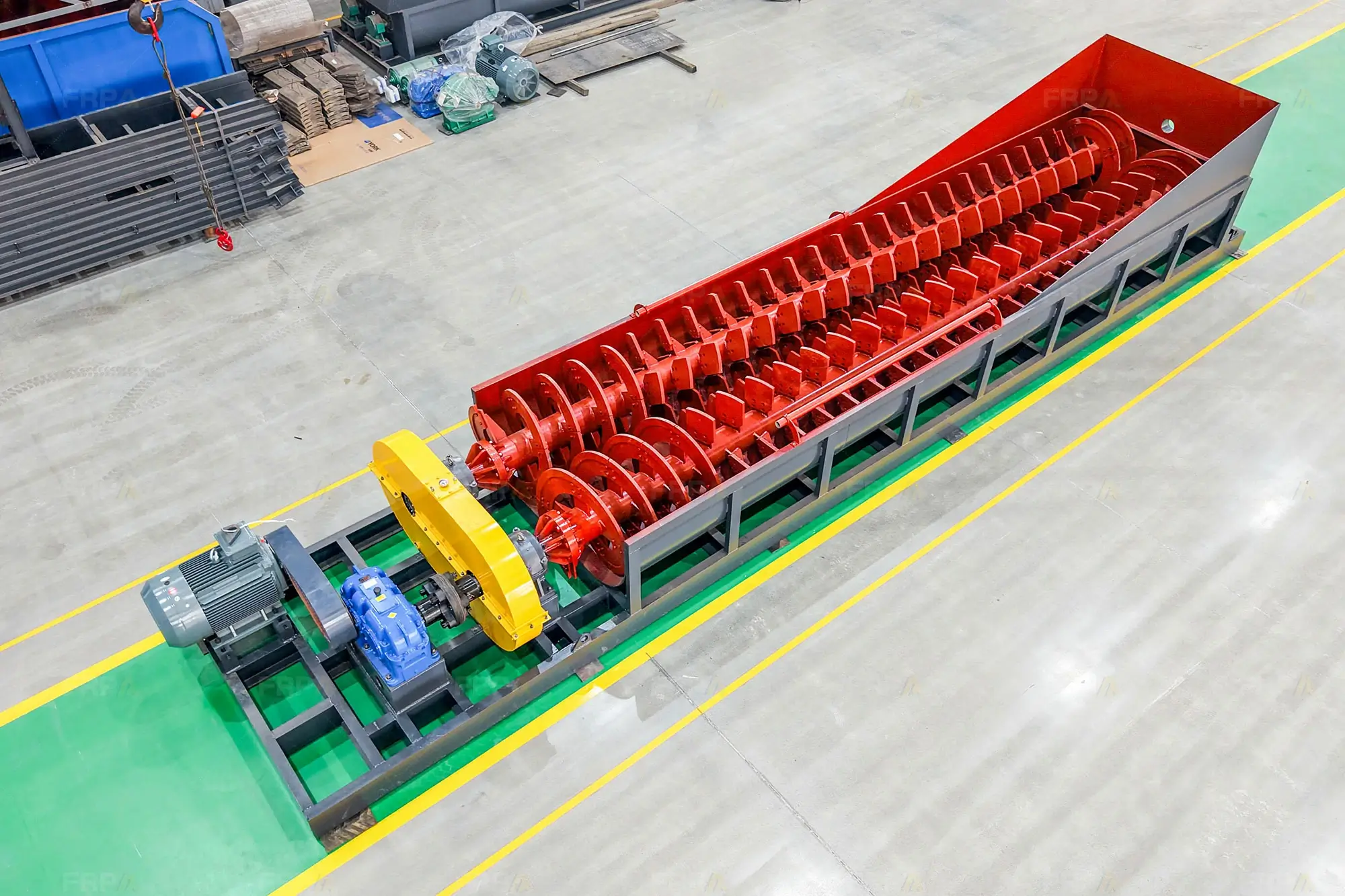
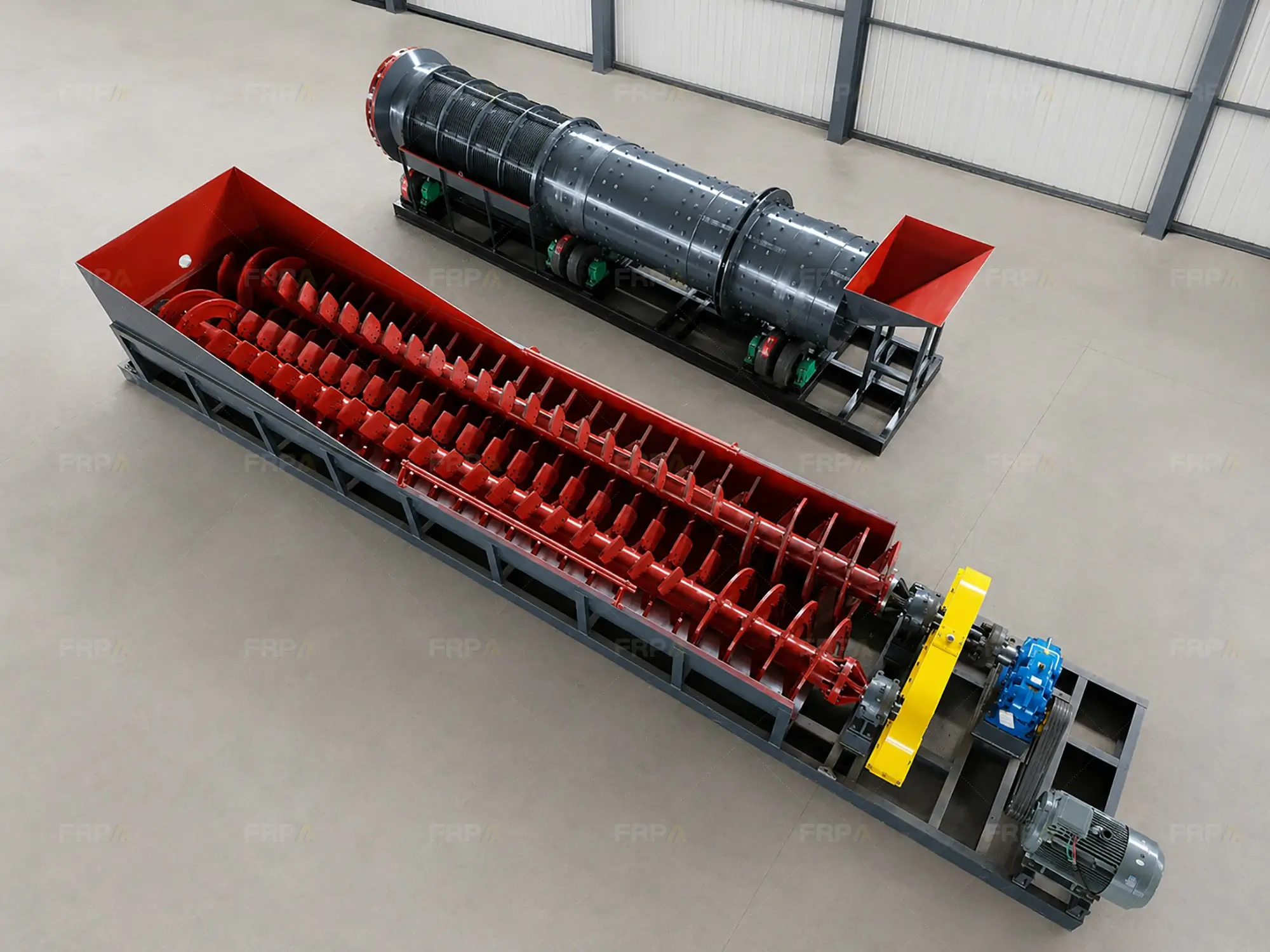
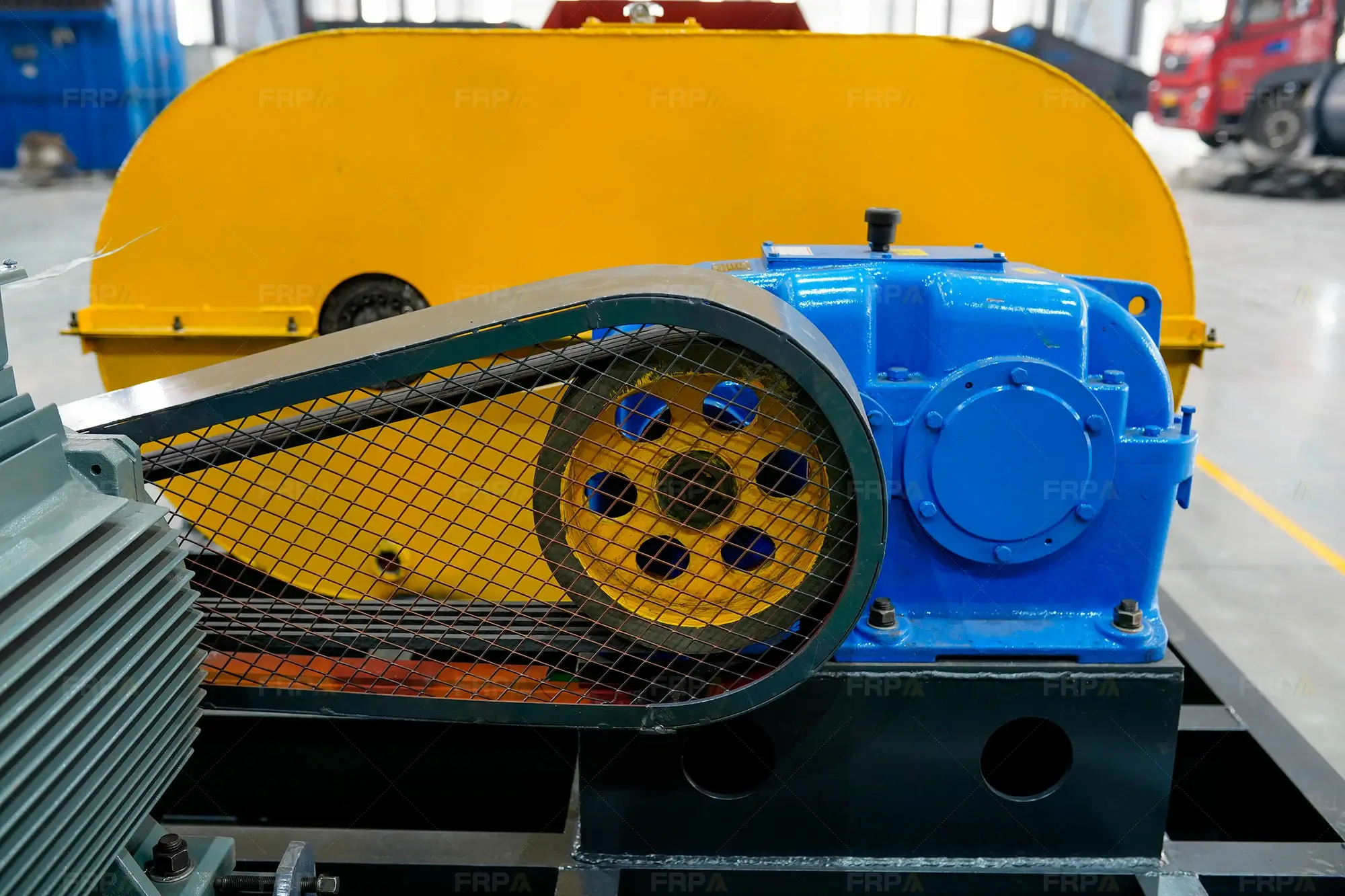
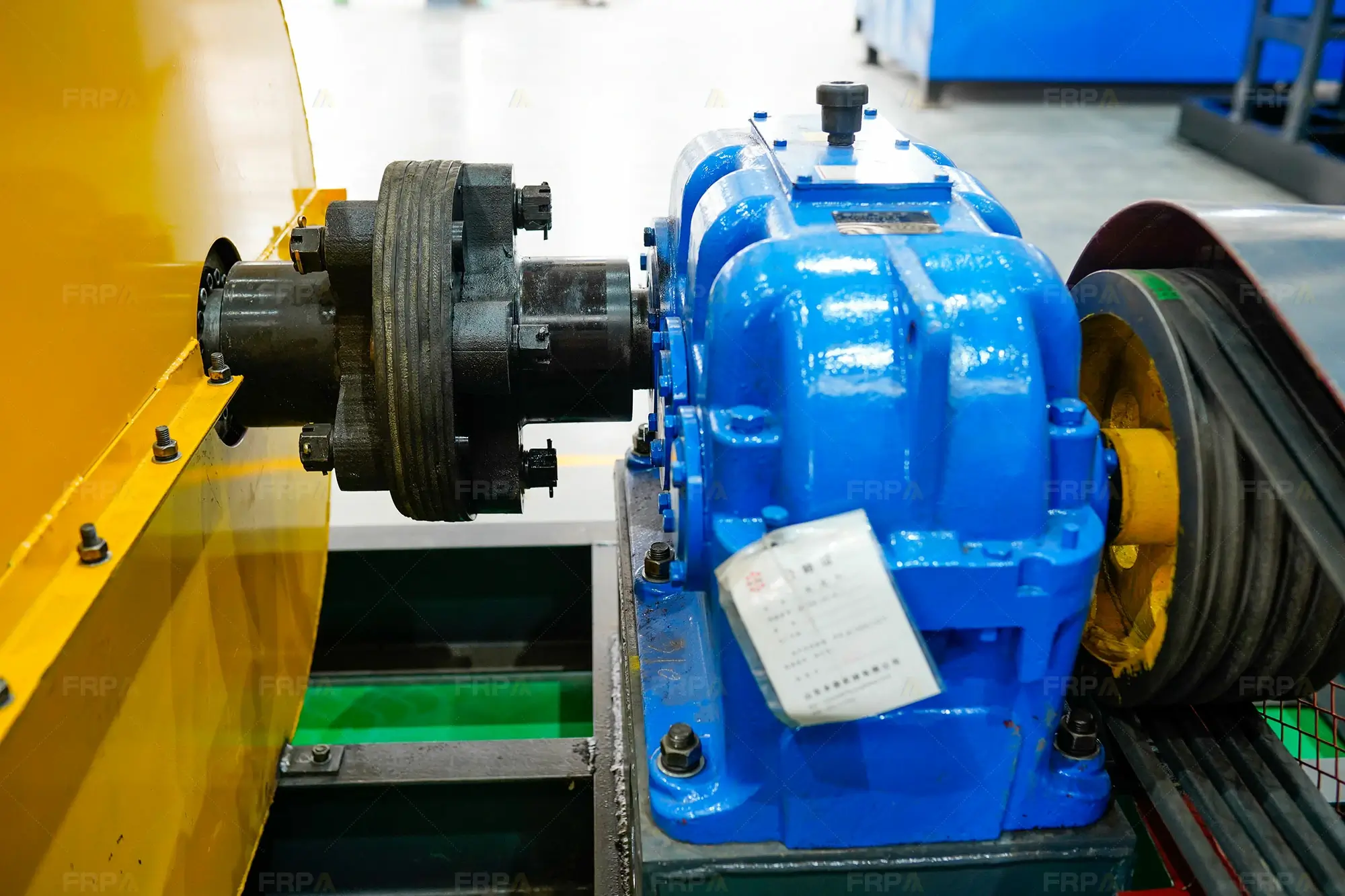
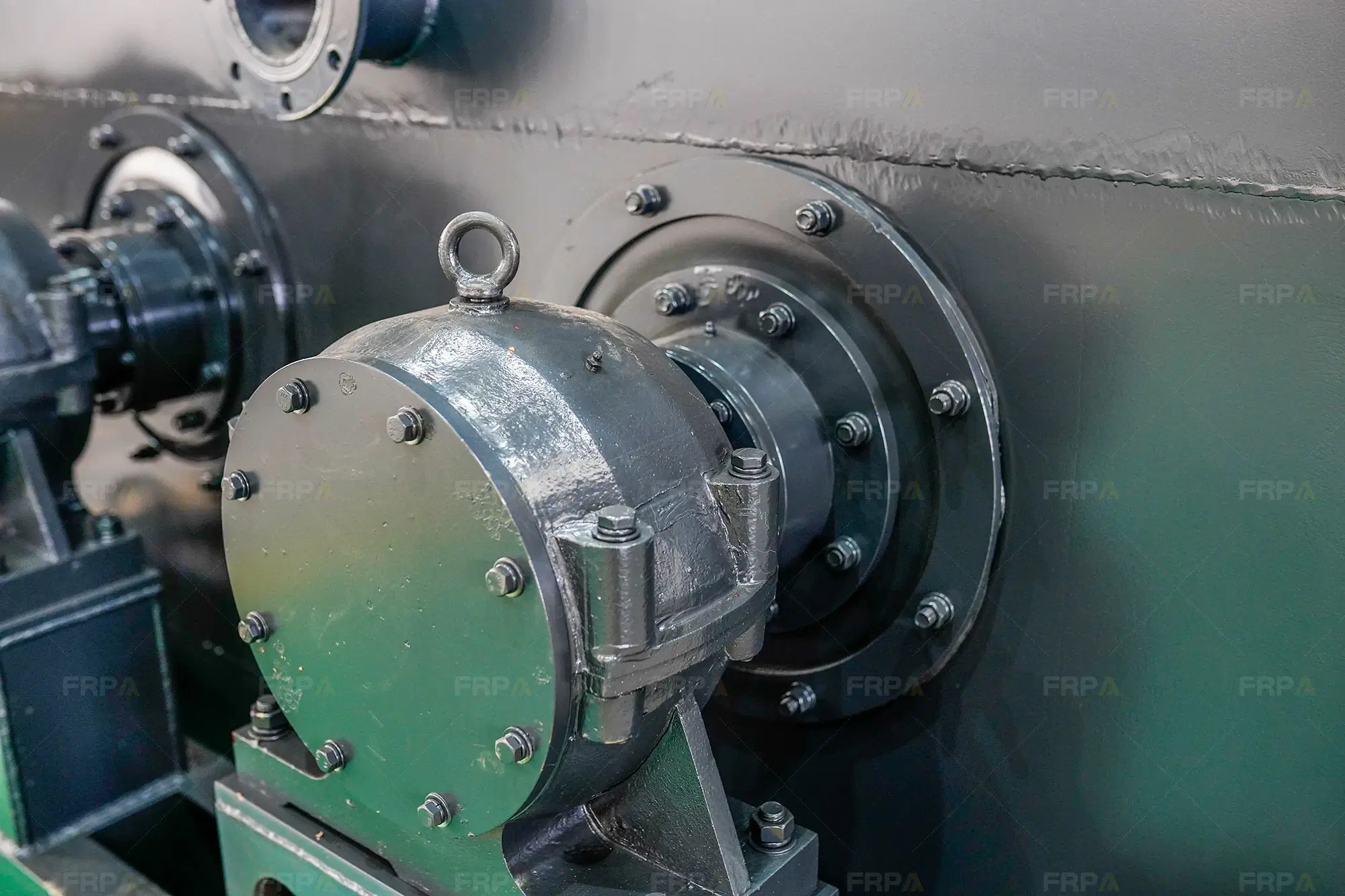
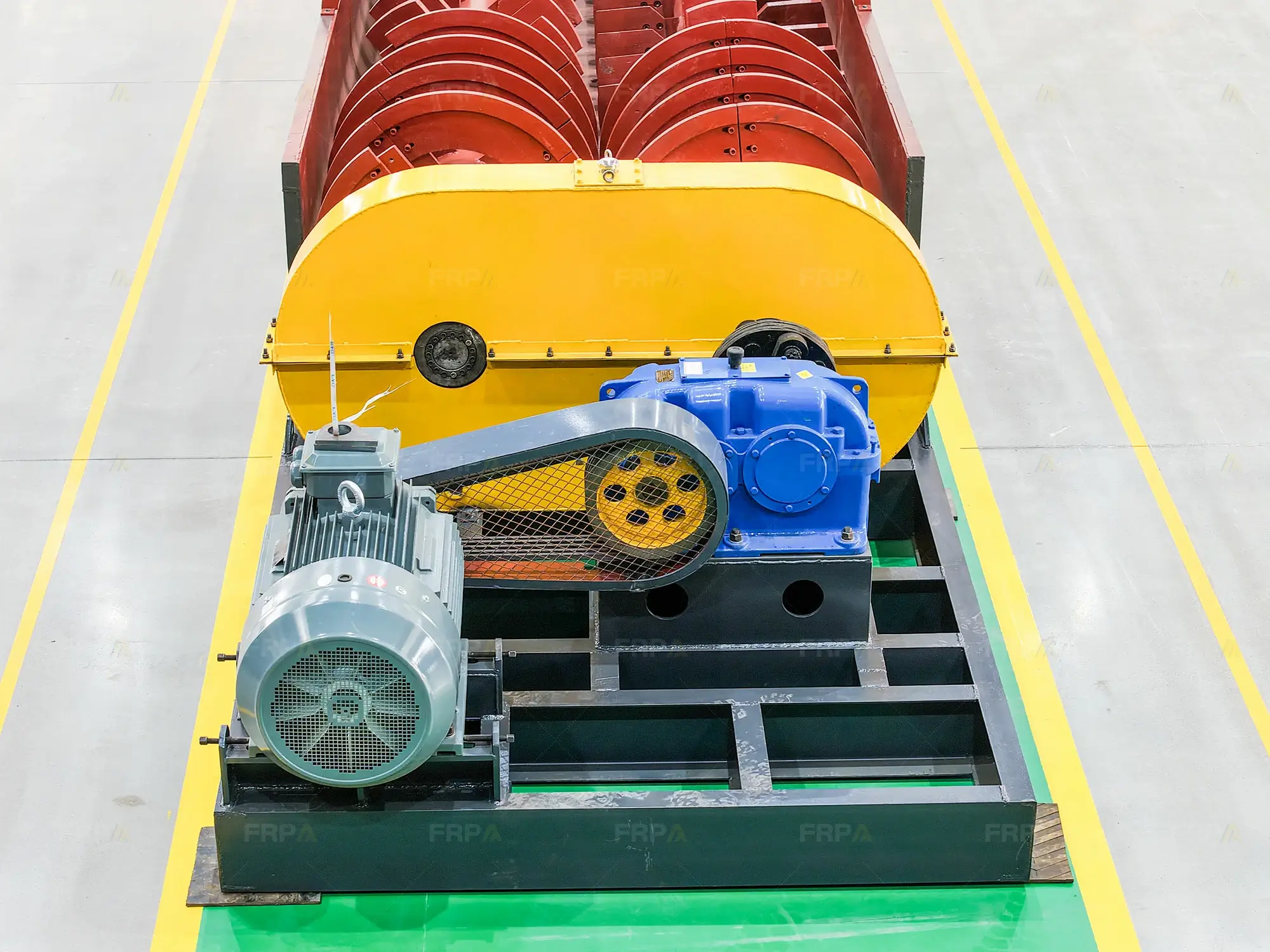
The FRP Log Washer is a twin-shaft, heavy duty washing machine designed to handle tough, heavily contaminated, and clay-bound feed materials.
Featuring intensive material-on-material scrubbing, the log washer generates strong shear and friction forces between particles to break down plastic clay, soft rock, and cemented lumps, effectively removing adhered impurities and improving material cleanliness.
By thoroughly disintegrating and washing sticky, high-clay ores and aggregates, the FRP Log Washer improves feed conditions for downstream processes such as screening, gravity separation, and flotation. By thoroughly disintegrating and washing sticky, high-clay ores and aggregates, the FRP Log Washer improves material cleanliness and reduces clay interference in downstream processes.
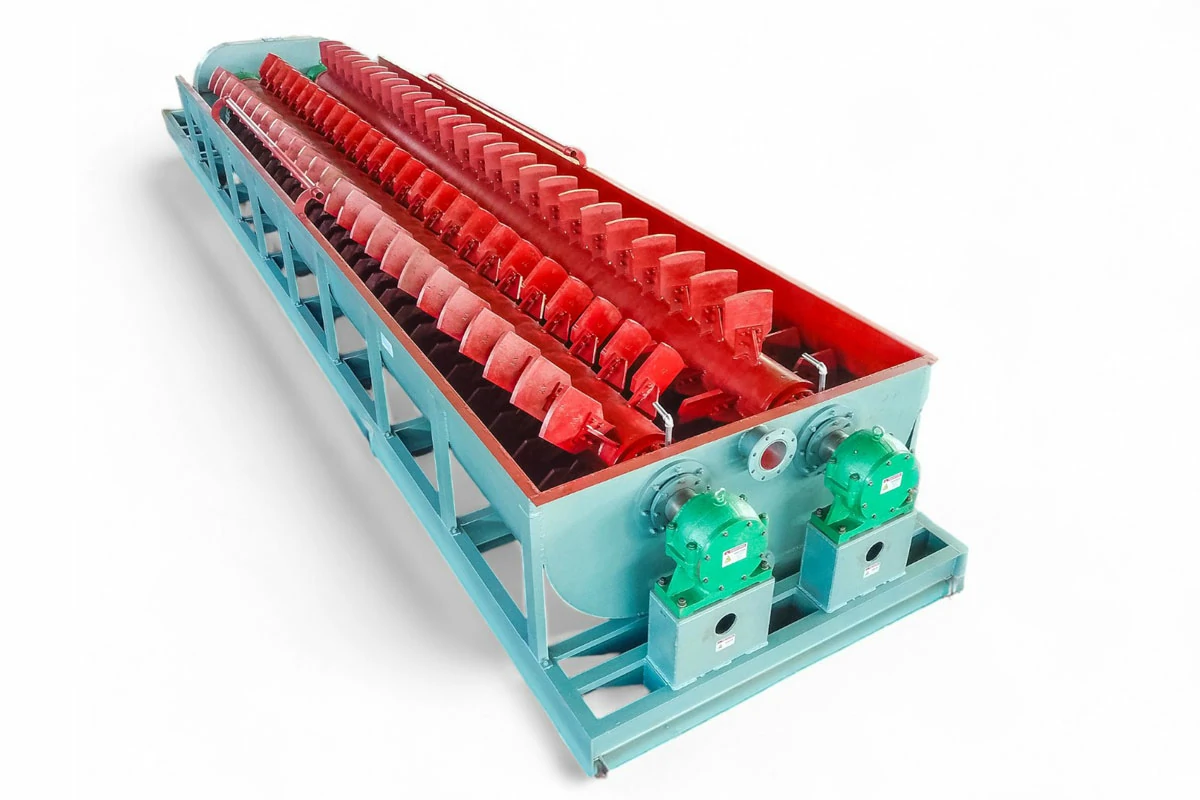
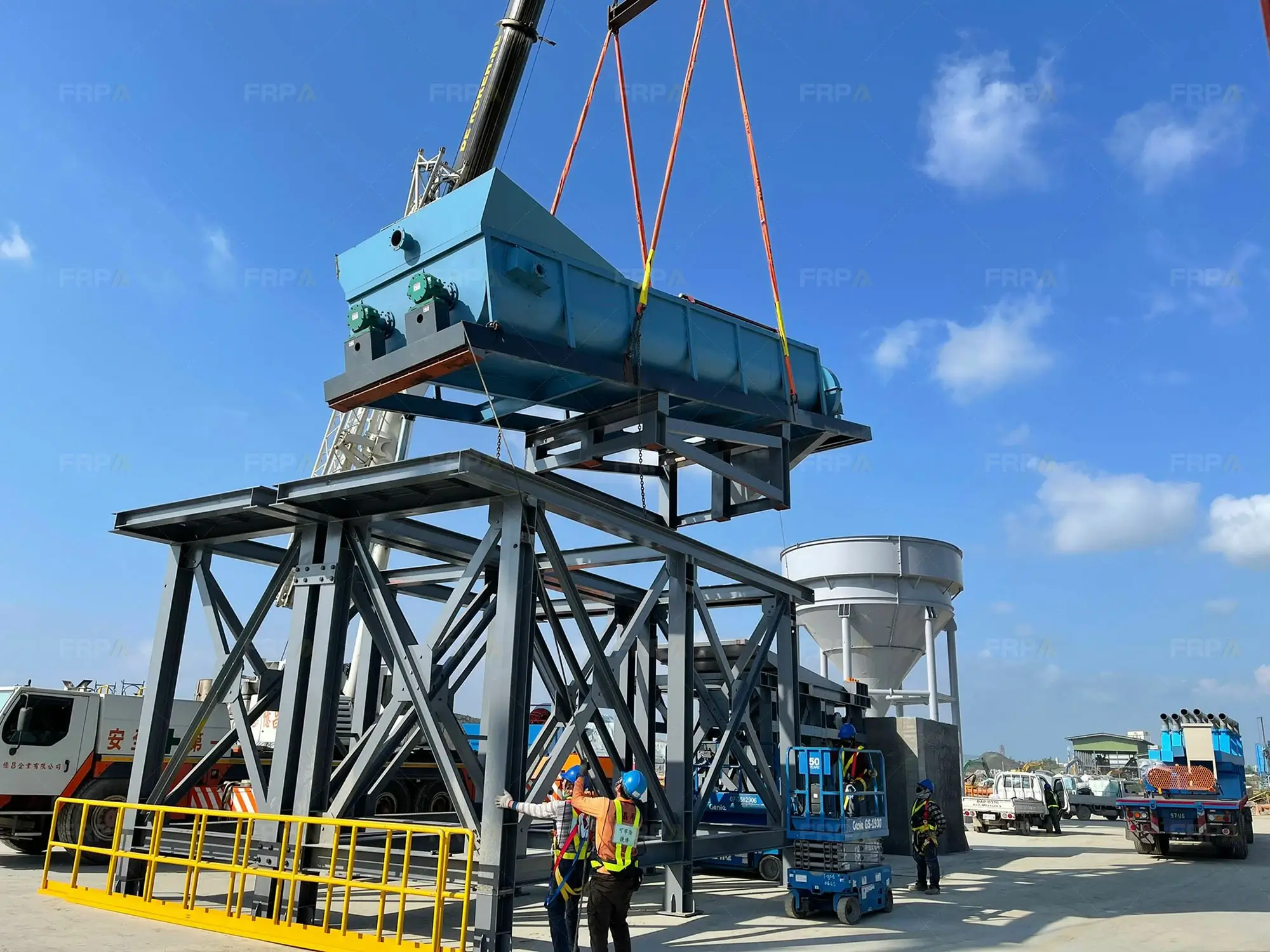
The FRP Log Washer operates by feeding material and water into an inclined tank, where twin counter-rotating shafts fitted with paddles generate intensive agitation, shearing, and scrubbing action to break down agglomerates, disperse sticky clay, and liberate surface impurities. During the washing process, lighter clay, mud, and fines remain suspended in the slurry and are discharged through the overflow, while heavier, cleaned material is conveyed upward and discharged in a relatively dewatered condition, ensuring efficient clay removal and preparing the feed for downstream mineral processing or aggregate washing.
Pre-Treatment & Feed Conditioning → Used as a pre-treatment stage in mineral processing plants to break down clay lumps, liberate valuable minerals, and improve feed conditions for downstream processes such as jigging, shaking tables, and gravity separation.
Construction Materials & Infrastructure Processing → Used for intensive washing and upgrading of clay-rich natural sand, weathered materials, and low-grade aggregates, improving material stability and suitability for construction applications.
A log washer is primarily used in mineral processing plants for scrubbing and removing clay, mud, and surface impurities from ore before downstream separation.
It is commonly applied in:
*Gold ore processing – removing clay to improve gravity separation efficiency and gold recovery
*Iron, chrome, and manganese ores – desliming and cleaning to enhance beneficiation performance
*Bauxite and laterite ores – breaking down sticky material and improving feed conditions
*Silica sand and industrial minerals – removing coatings and impurities to increase product purity
👉 Log washers are especially important in operations where high clay content affects recovery, separation efficiency, and overall plant performance.
How do I choose the right Log Washer model?
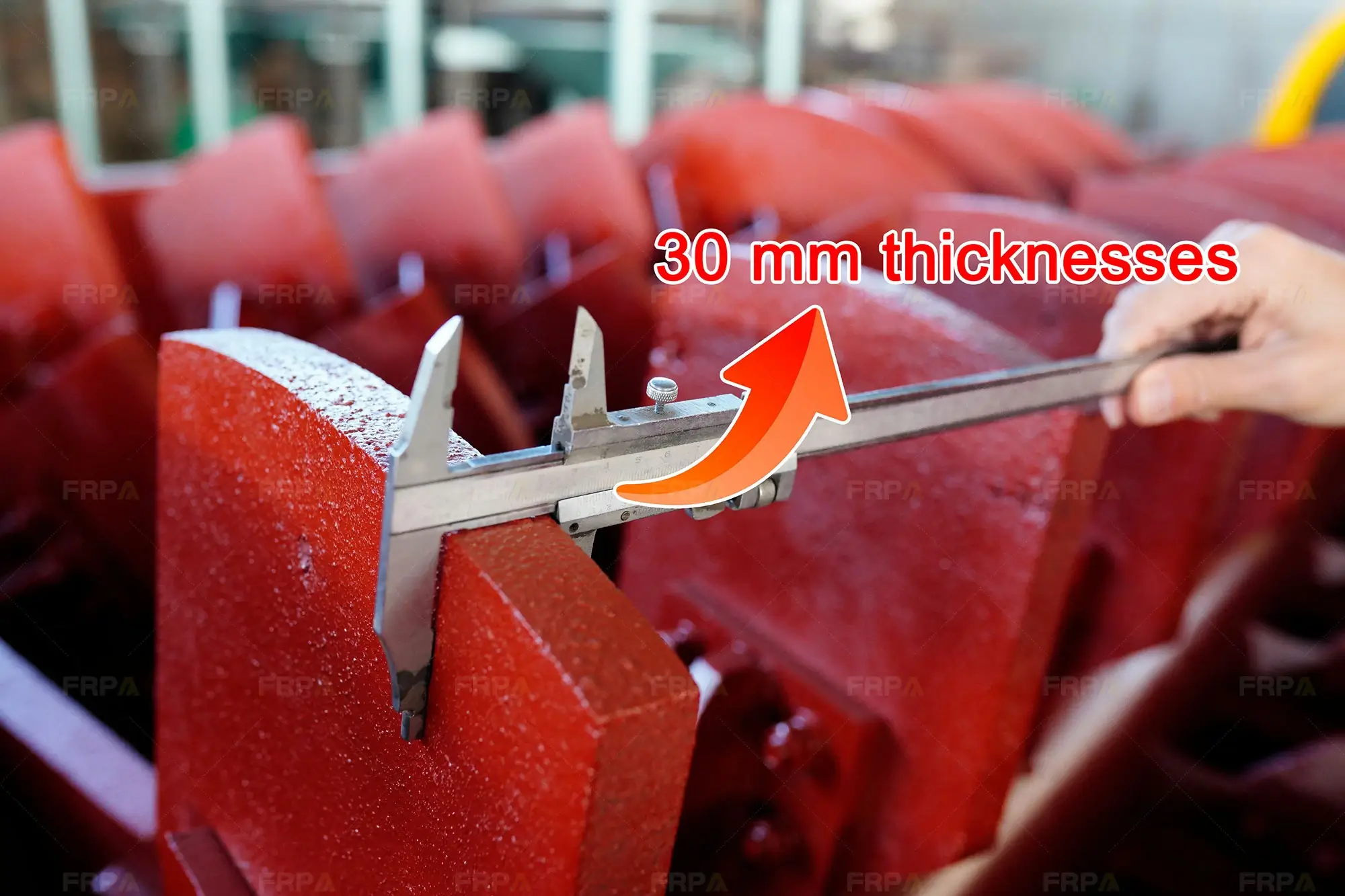
The right log washer model should be selected based on material type, clay content, feed size, required capacity, and downstream process requirements. Among these factors, clay content is especially important, as high-clay and sticky materials require stronger scrubbing intensity and sufficient retention time. Feed size, material stickiness, and throughput will also influence the choice of machine size, paddle arrangement, and operating configuration. Straight paddles are typically used for intensive scrubbing and rapid dispersion of high-plasticity clay, while helical paddles provide more stable conveying and more uniform scrubbing for different material conditions. For accurate selection, material analysis is recommended.
FAQ for Log Washer
We don't just deliver machines — we deliver assurance.
From installation to long-term service, we're by your side with ongoing support to keep your equipment running at its best.
| Model | Motor Power (kW) | Trough Dimensions (mm) | Installation Angle (°) | Shaft Speed (rpm) | Max. Feed Size (mm) | Capacity (t/h) |
|---|---|---|---|---|---|---|
| XK1156 | 11 | 5600 × 1100 | 14 | 20–27 | ≤ 50 | 20–30 |
| XK1572 | 22 | 7200 × 1500 | 11–14 | 20–27 | ≤ 70 | 30–60 |
| XK1876 | 45 | 7600 × 1800 | 12 | 24 | ≤ 70 | 40–80 |
| XK2080 | 45 | 8000 × 2000 | 12 | 22 | ≤ 70 | 50–100 |
| XK2284 | 75 | 8400 × 2200 | 14 | 17 | ≤ 70 | 70–120 |
Note: Specifications are subject to change without notice due to ongoing product improvement.
Have a question, need advice, or want to schedule an appointment? We're happy to assist with any inquiries you have about our equipment and system solutions.