
Phone/Whatsapp: +86 15515592672

screening

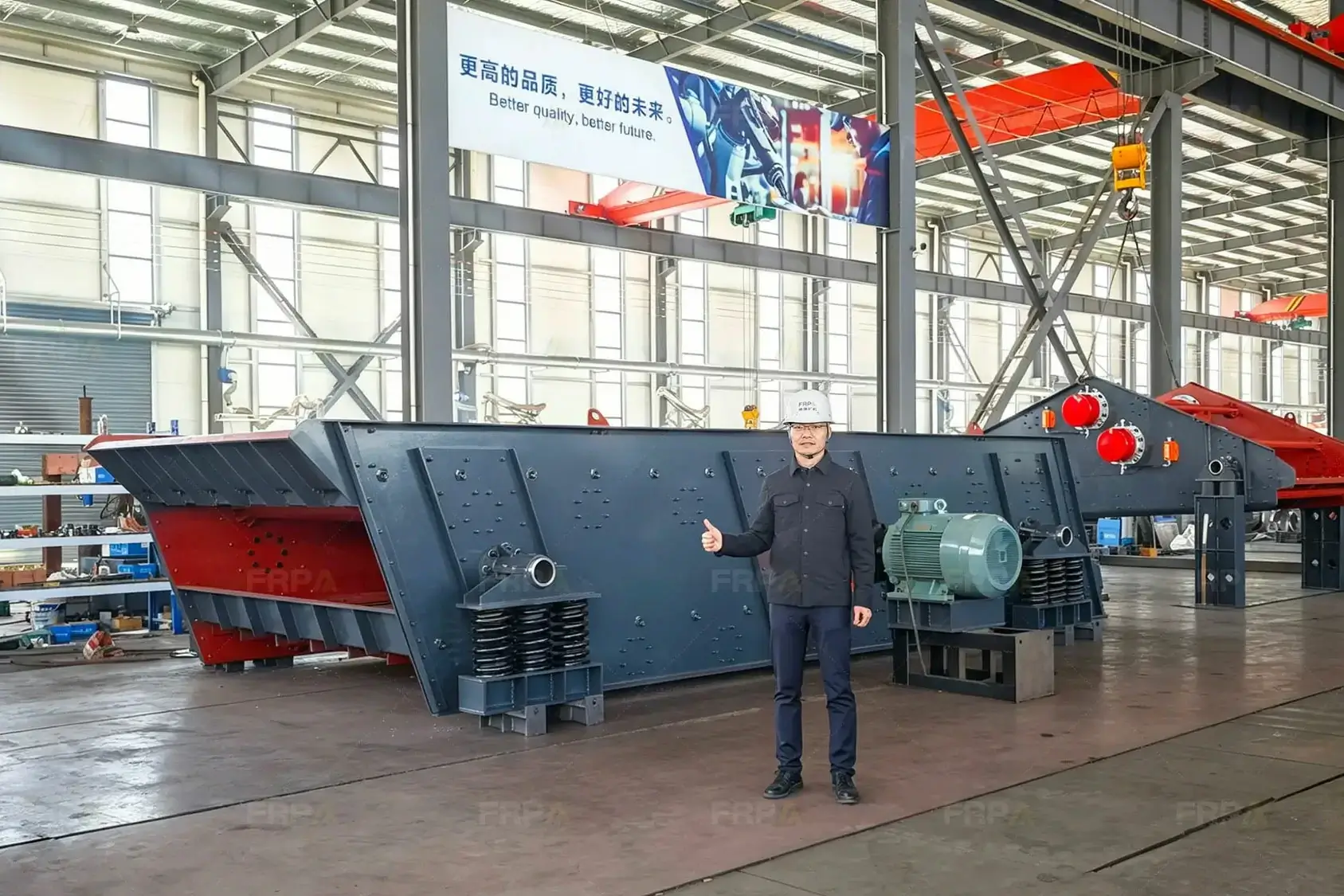
Horizontal Vibrating Screen

The FRP Horizontal Vibrating Screen utilizes a triple-shaft vibrating mechanism to generate a controlled elliptical motion, allowing material to achieve both effective stratification and stable conveying across the screen surface. This motion improves the separation of near-size particles while maintaining high throughput and reducing recirculation load.

With adjustable amplitude, speed, and operating angle, the screen can be tuned to match varying material characteristics and process conditions. It is particularly suitable for fine screening, wet screening, and installations with limited headroom, and is widely used in mining, aggregate, and recycling applications where both efficiency and product consistency are required.
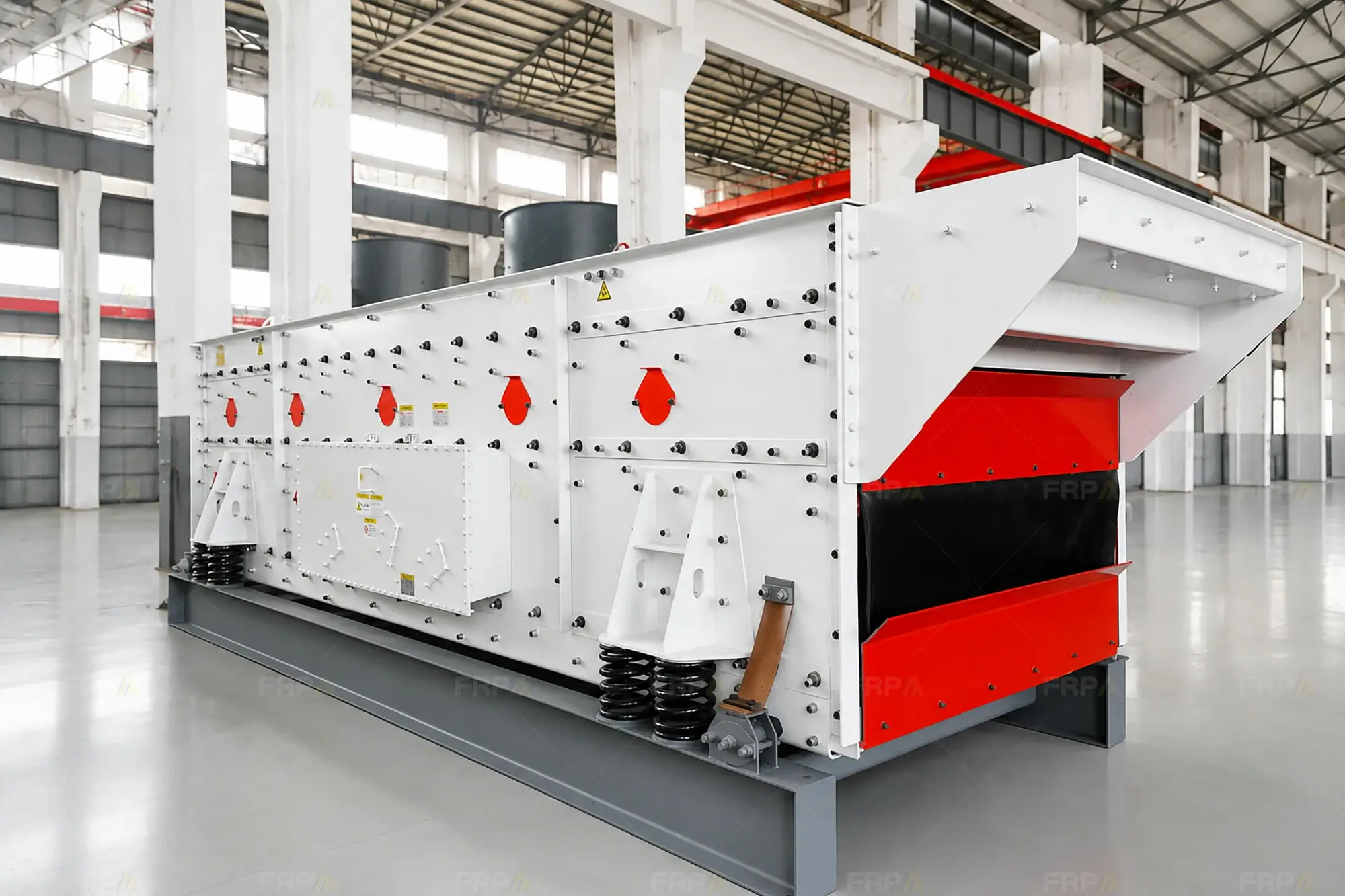
Horizontal Vibrating Screen

Key Benefits / Advantages

Triple-Shaft Elliptical Motion Mechanism→The triple-shaft exciter generates a stable elliptical motion, combining stratification and conveying action to improve screening efficiency and reduce recirculation load.

Reduced Blinding And Plugging→The elliptical motion continuously lifts and redistributes material, minimizing blinding and material build-up, especially in near-size and difficult screening conditions.

Adjustable Vibration Parameters→Amplitude, speed, and operating angle can be adjusted to optimize performance under different material and process conditions.

Multiple Screen Media Options→Compatible with wire cloth, rubber, and polyurethane screen media, allowing selection based on abrasion resistance, corrosion resistance, and screening requirements.

Heavy-Duty Construction For Long Service Life→The robust screen body, high-capacity bearings, and alloy gear system are designed to withstand continuous heavy-duty operation and extend equipment life.

Ready For Wet Screening Applications→Optional washing systems enable the screen to operate in wet conditions, supporting applications involving clay-rich or contaminated materials.

Improving Near-Size Separation And Process Stability

In screening processes, the most challenging fraction is often the near-size material, which tends to reduce screening efficiency and increase recirculation load. Insufficient stratification or inadequate material movement can lead to poor separation, screen blinding, and unstable downstream performance.

The triple-shaft horizontal screen addresses this by generating controlled elliptical motion, which provides both stratification and forward conveying. This allows particles to remain on the screen surface long enough for effective separation while maintaining continuous throughput.

As a result, the screen improves near-size separation, reduces process fluctuations, and helps maintain stable operation across the plant. It is particularly effective in applications requiring tighter control of product size, wet screening, or handling of complex material conditions.
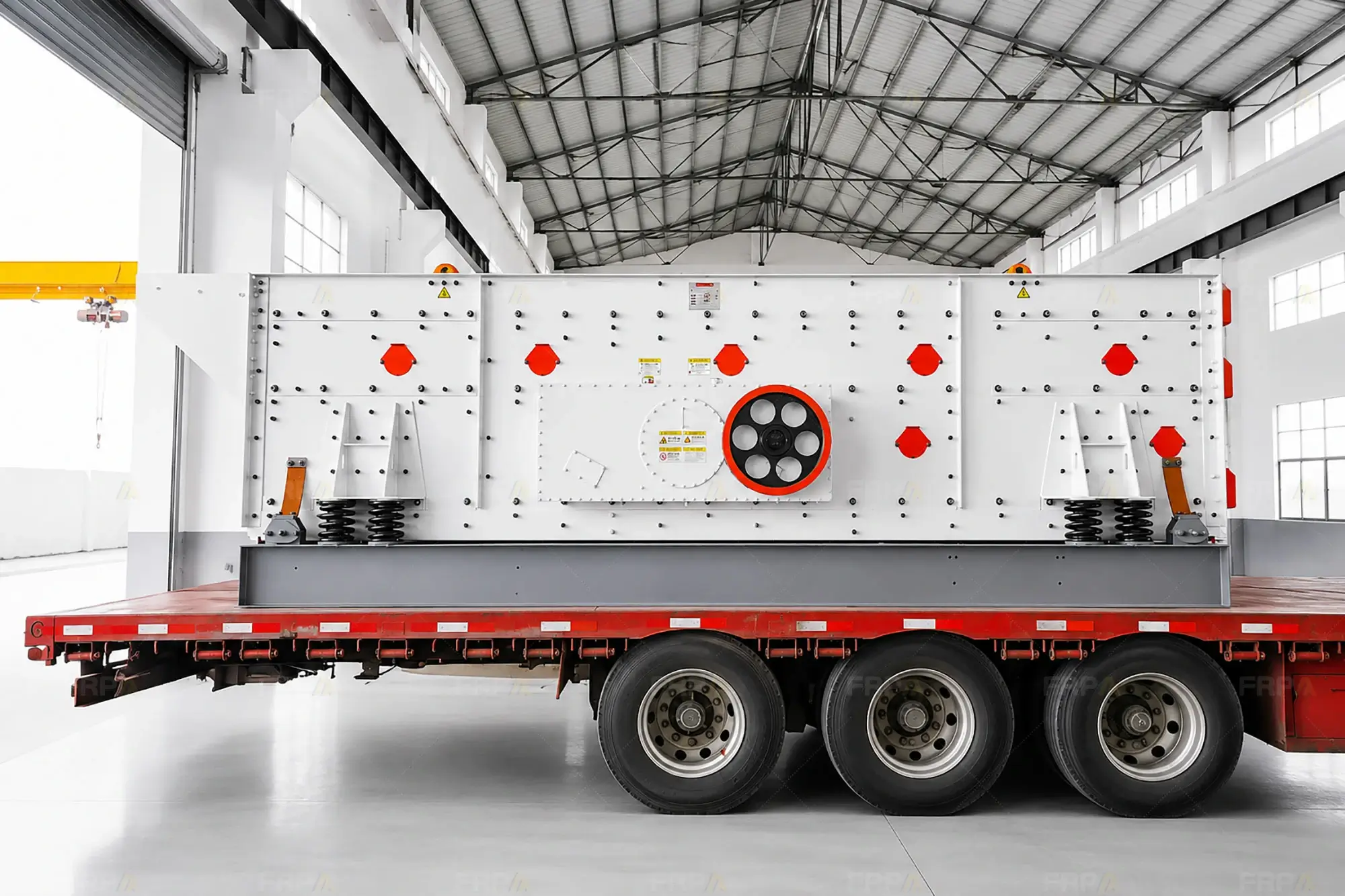
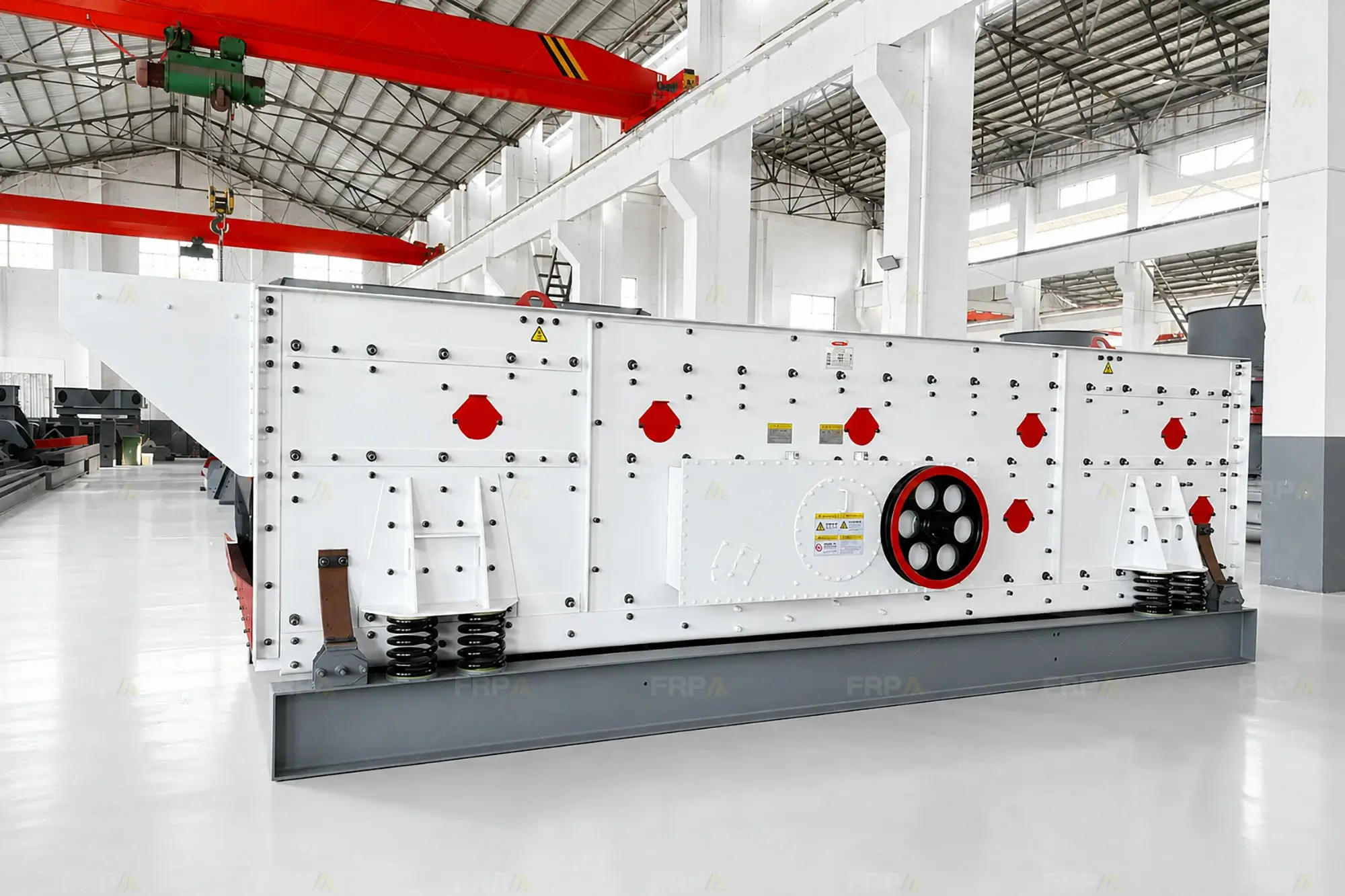
horizontal screen (1)
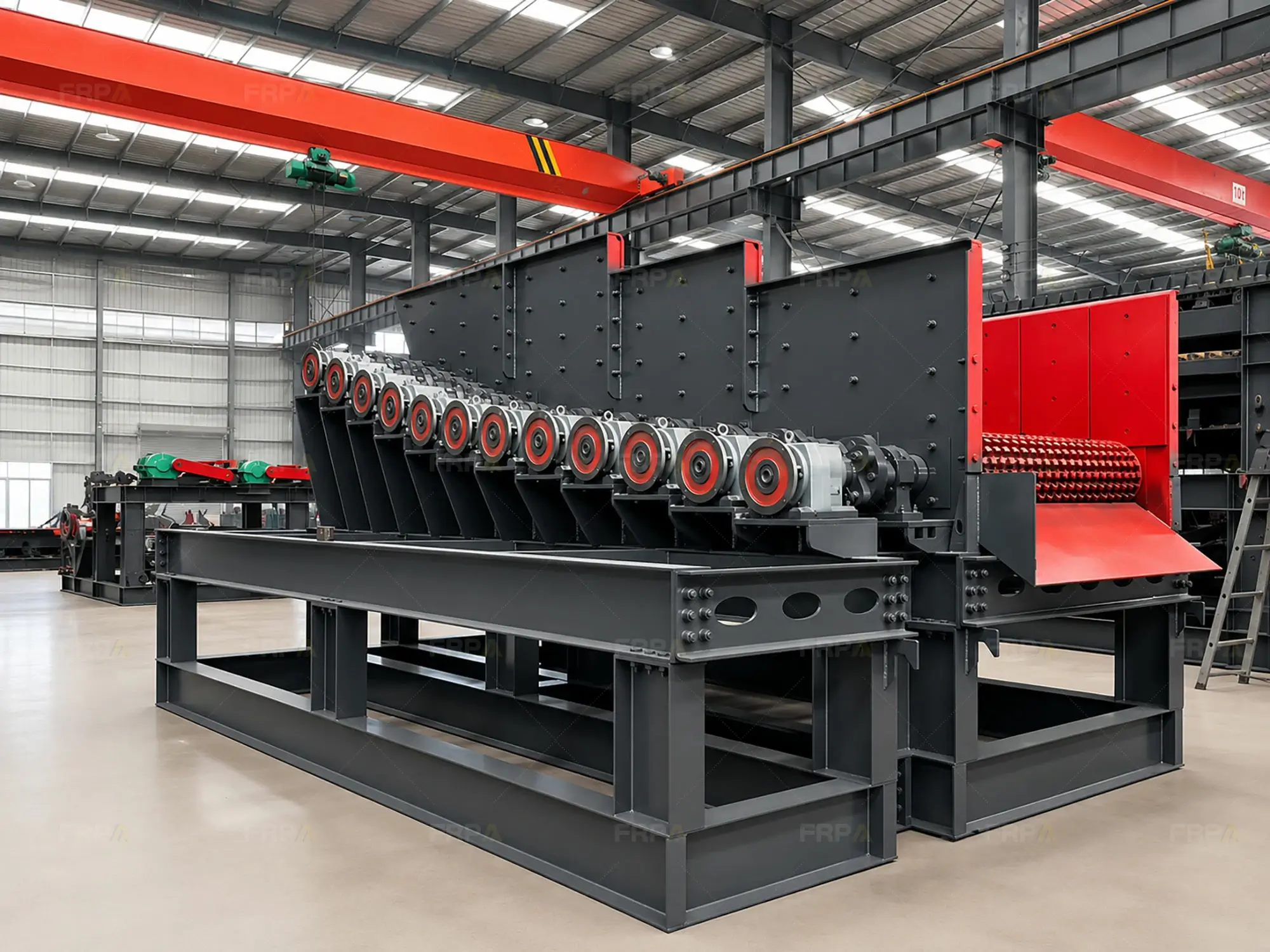
horizontal screen (2)
horizontal screen (3)

Frequently Asked Questions

FAQ for Horizontal Vibrating Screen

A horizontal vibrating screen can accommodate various types of screen media, including wire cloth, polyurethane, and rubber. Steel wire cloth is typically used for low-moisture, non-corrosive, and non-abrasive materials where clogging or material build-up is not a concern, while rubber and polyurethane media are better suited for handling highly abrasive or corrosive materials due to their enhanced wear resistance and durability.
Performance depends on factors such as vibration amplitude, speed, stroke angle, screen media, feed distribution, and material characteristics. Proper configuration of these parameters is essential to achieve optimal screening efficiency and stable operation.
Elliptical motion improves screening performance by providing both vertical stratification and horizontal conveying. This allows particles to stay on the screen surface longer, increasing the probability of near-size particles passing through the openings while maintaining continuous throughput.
A horizontal screen is preferred when higher screening accuracy is required, especially for fine or near-size materials, wet screening applications, or installations with limited headroom. Inclined screens are generally more suitable for high-capacity, coarse material screening where precision is less critical.

Get The Right Screening Equipmen For Your Application

Send us your material and screening requirements, and our engineers will recommend the most suitable screening solution for your process.

Contact Today

How can we help?

Have a question, need advice, or want to schedule an appointment? We're happy to assist with any inquiries you have about our equipment and system solutions.

    Home Tel Mail Inquiry