




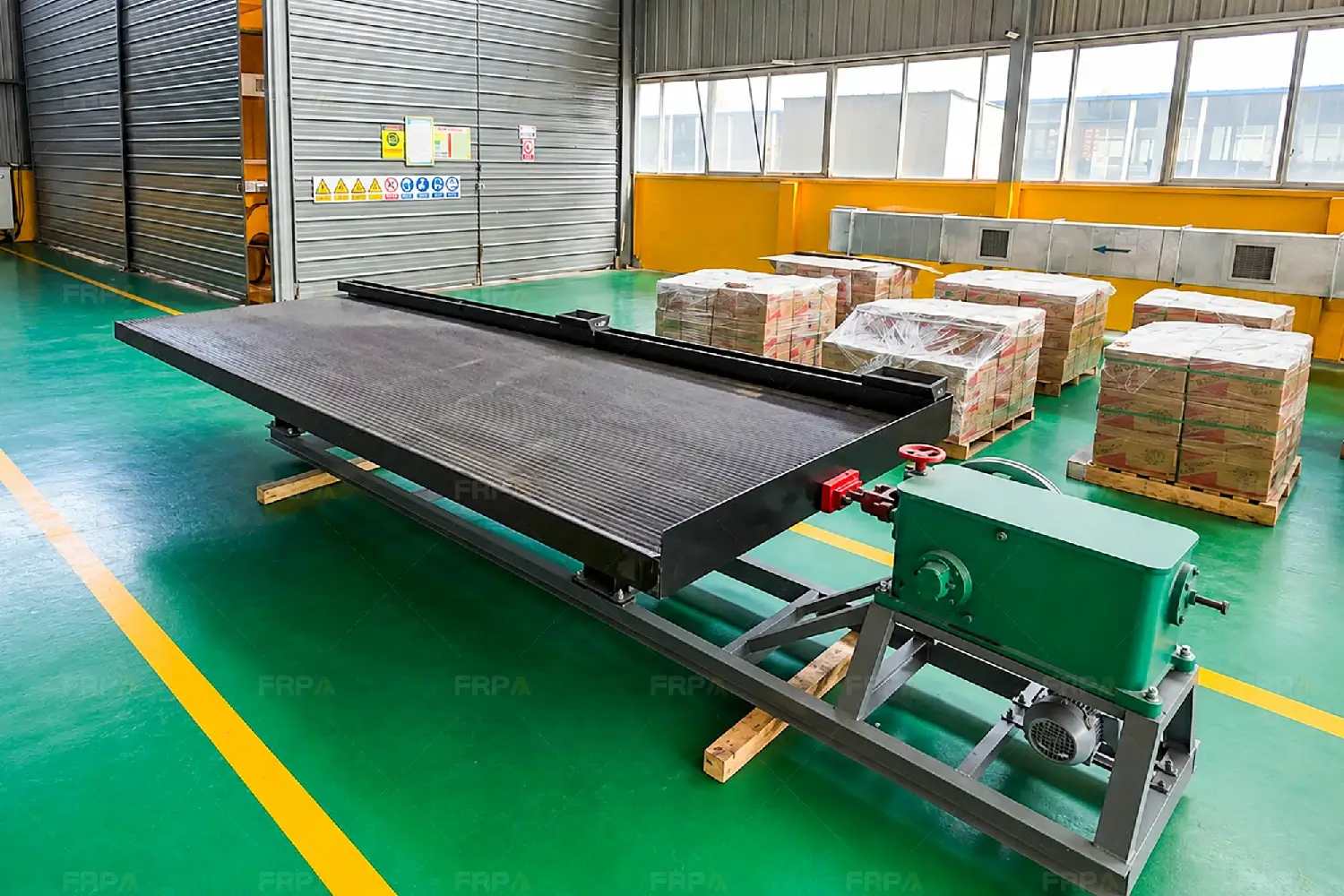
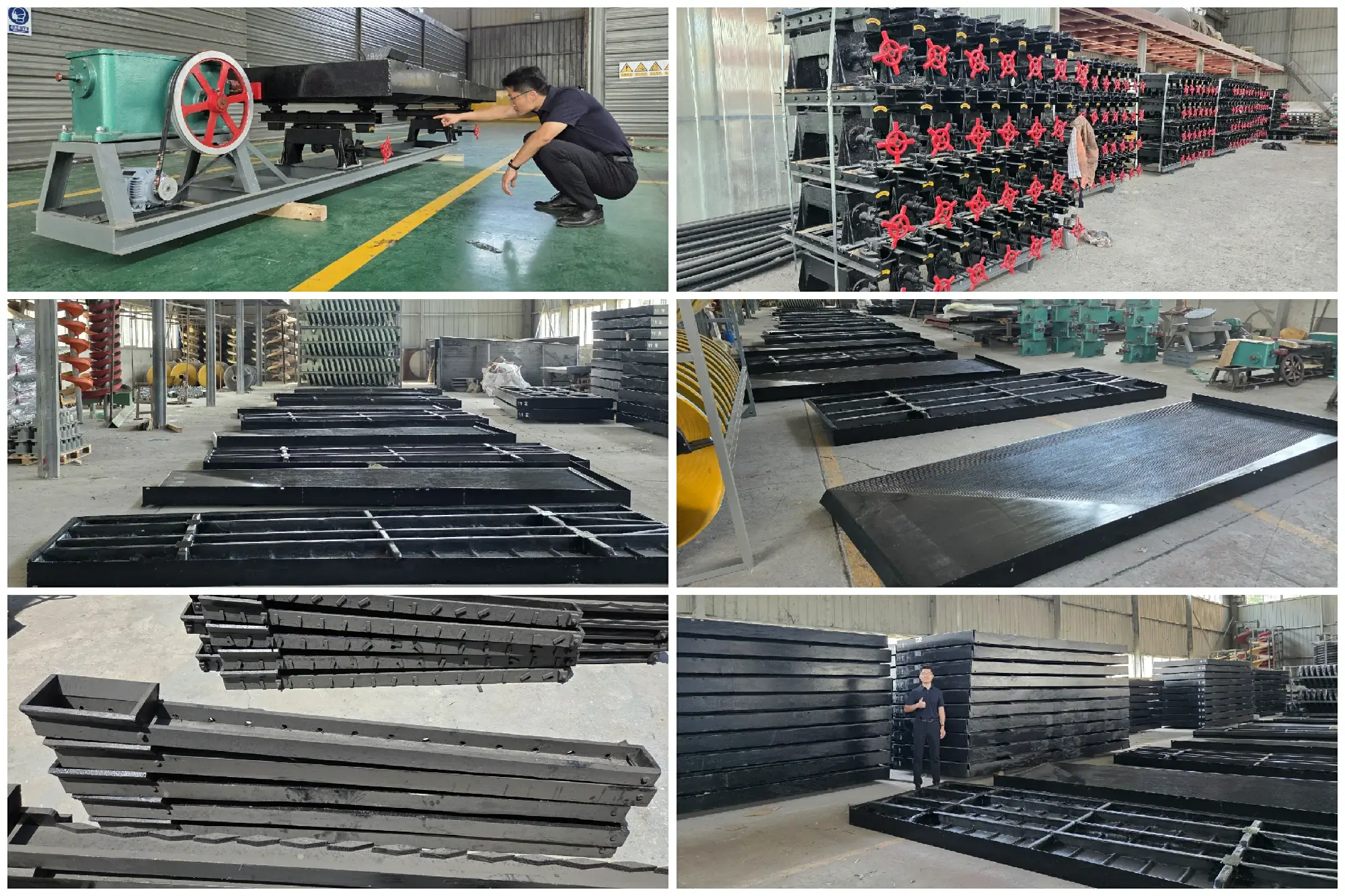
The shaking table is a high-precision gravity separation equipment used for the concentration and upgrading of fine minerals in mining and mineral processing. It separates particles based on density differences through a combination of reciprocating motion and controlled water flow.
In processing circuits, the shaking table is typically used as a final upgrading stage after spiral chutes, jigs, or centrifugal concentrators, where accurate separation and high-grade concentrate are required. It is widely applied in gold recovery and heavy mineral processing where stable and precise separation is critical.
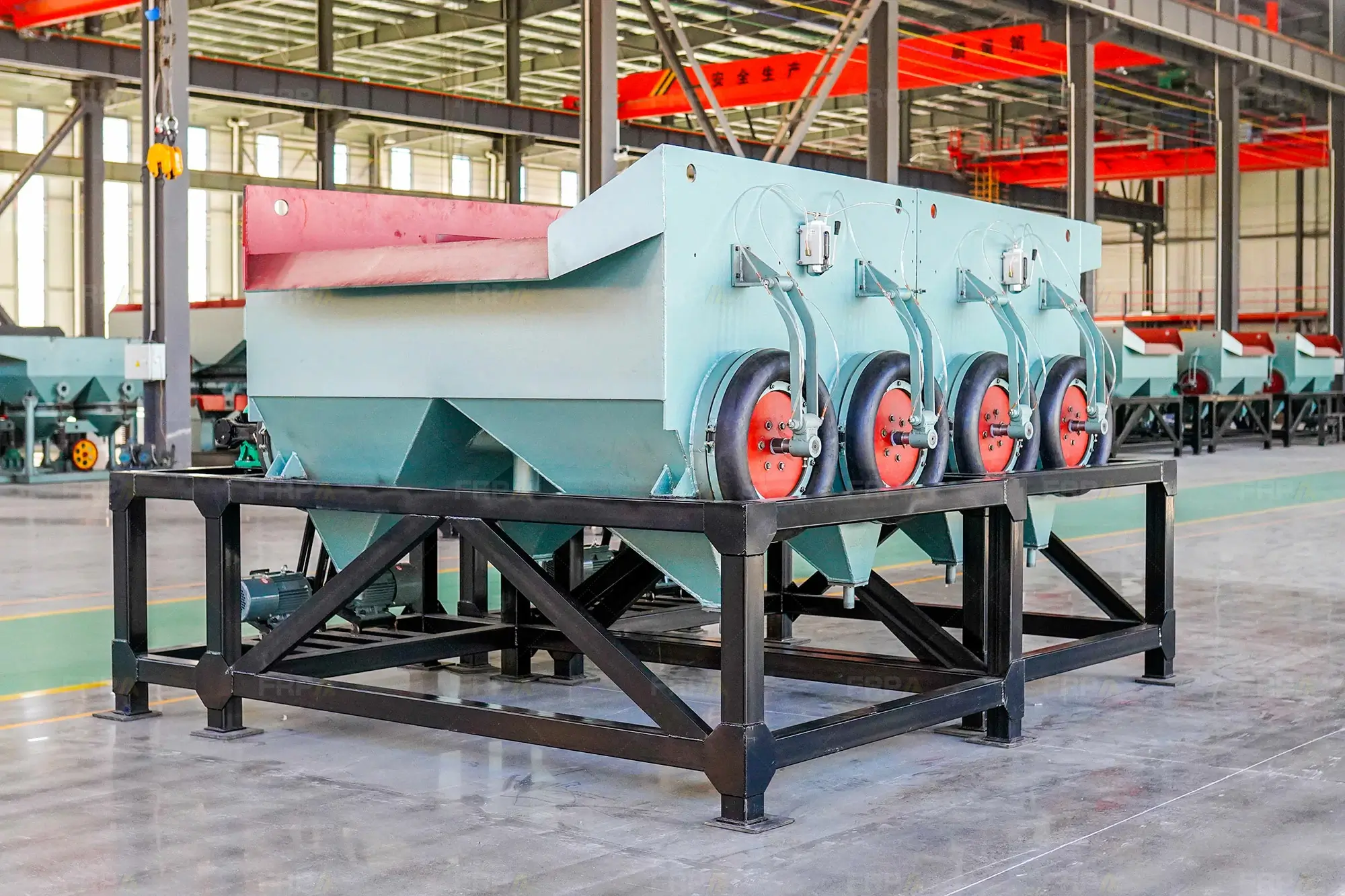
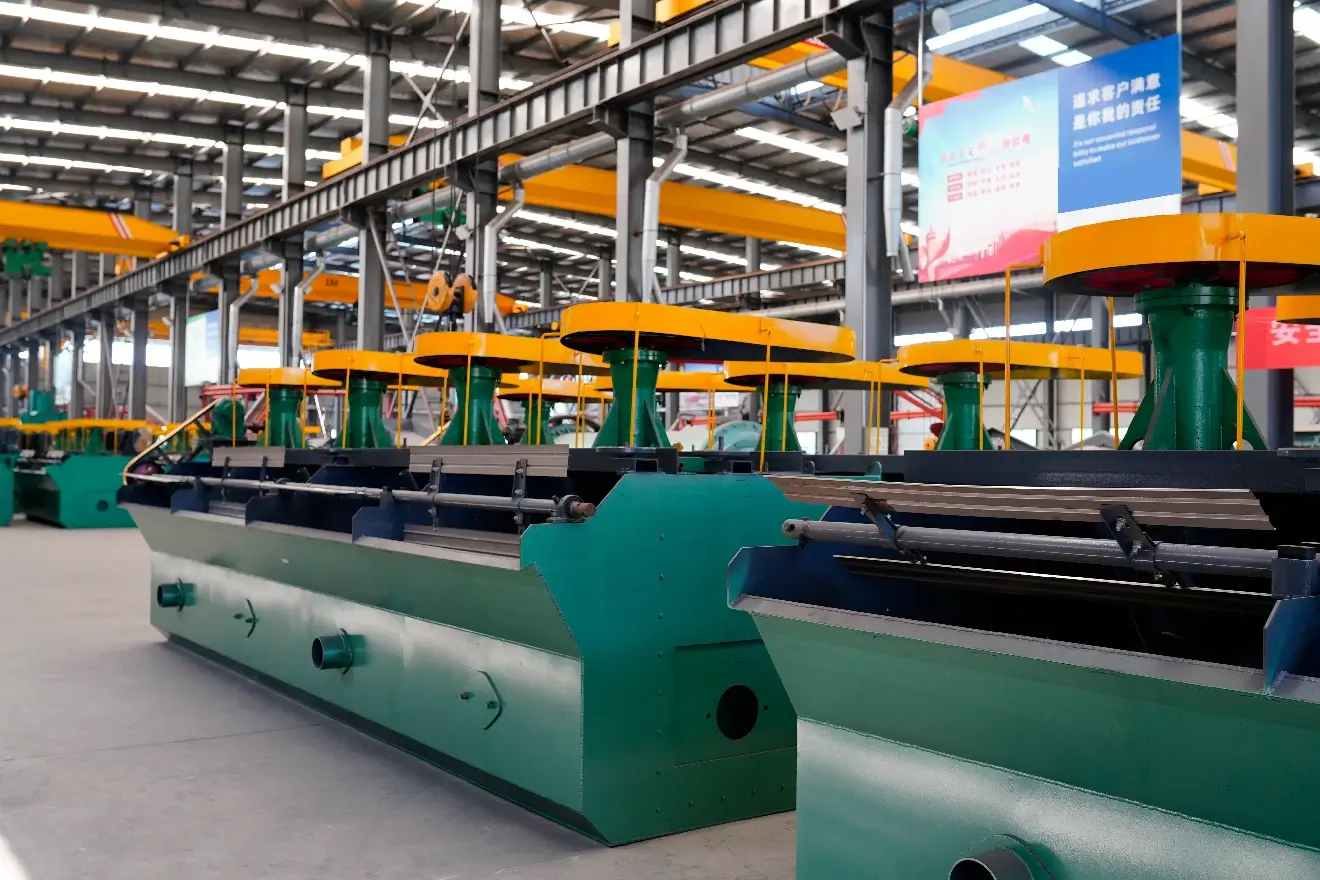
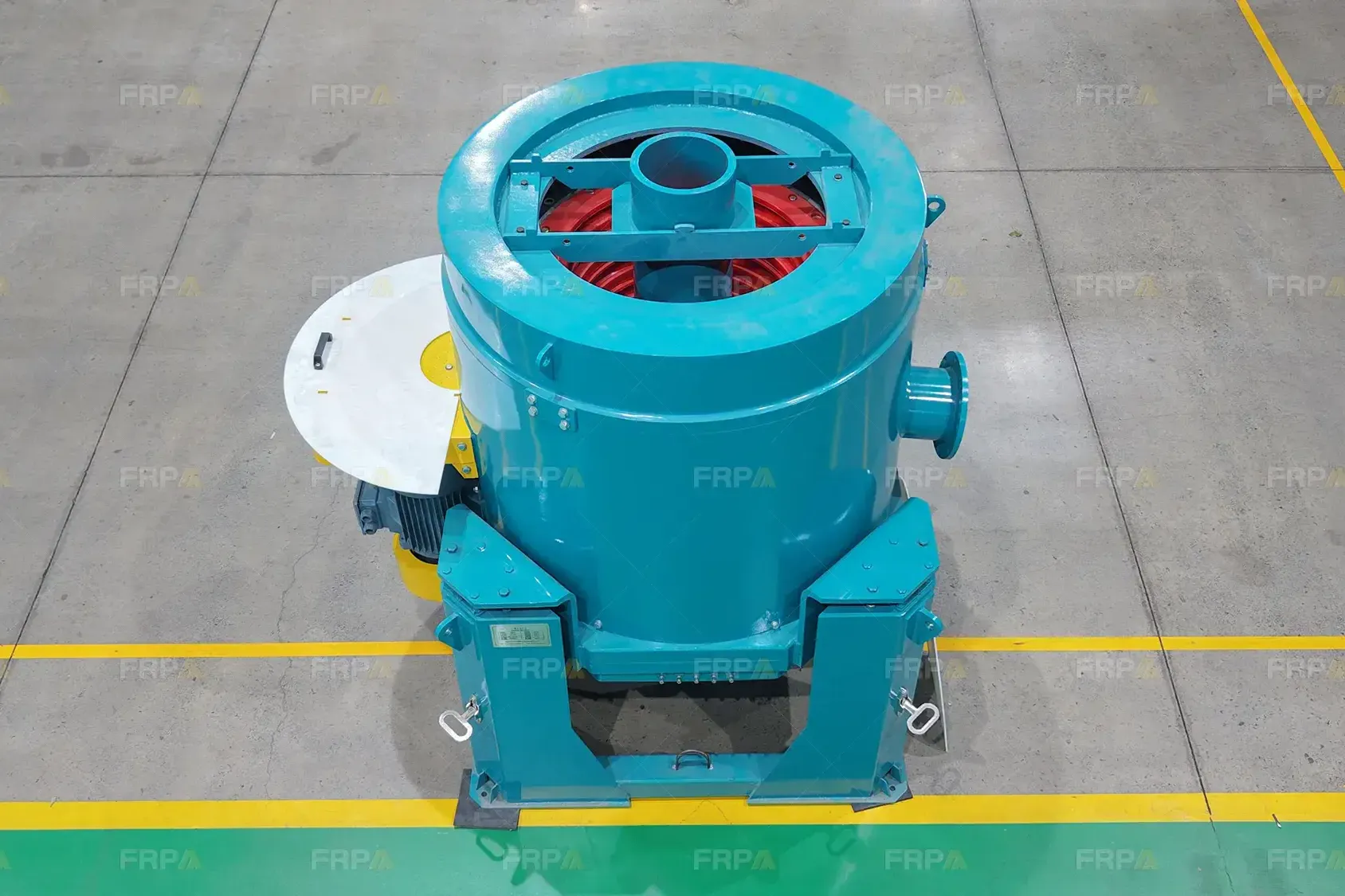
Different ores require different gravity separation routes. The FRP modular gravity separation solution combines jigs, spiral separators, centrifugal concentrators, and shaking tables into flexible process flows based on ore characteristics, particle size, and recovery targets. In a typical circuit, the jig is used for coarse particle recovery and rough separation, the spiral separator for continuous fine particle pre-concentration, the centrifugal concentrator for enhanced recovery of fine or partially liberated heavy minerals, and the shaking table for final upgrading and concentrate cleaning. This modular approach allows the process to balance recovery, concentrate grade, capacity, and operating cost across different ore types.
FAQ for Shaking Table
We don't just deliver machines — we deliver assurance.
From installation to long-term service, we're by your side with ongoing support to keep your equipment running at its best.
| Item | Coarse Sand Table | Fine Sand Table | Slime Table |
|---|---|---|---|
| Deck Length (mm) | 4450 | 4450 | 4450 |
| Deck Width – Drive End (mm) | 1855 | 1855 | 1855 |
| Deck Width – Concentrate End (mm) | 1546 | 1546 | 1546 |
| Max. Feed Size (mm) | 2 | 0.5 | 0.15 |
| Throughput Capacity (t/d) | 30–60 | 10–20 | 15–25 |
| Feed Pulp Density (%) | 25–30 | 20–25 | 15–25 |
| Stroke Length (mm) | 16–22 | 11–16 | 8–16 |
| Stroke Frequency (rpm) | 45–48 | 48–53 | 50–57 |
| Wash Water Consumption (t/d) | 80–150 | 30–60 | 10–17 |
| Deck Cross Slope (°) | 2.5–4.5 | 1.5–3.5 | 1–2 |
| Deck Longitudinal Slope (%) | 1.4 | 0.92 | — |
| Riffle Angle (°) | 32–42 | 40 | 42 |
| Effective Deck Area (m²) | 7.6 | 7.6 | 7.6 |
| Length-to-Width Ratio | 2.6 | 2.6 | 2.6 |
| Deck Surface Profile | Rectangular | Zigzag | Triangular |
| Motor Power (kW) | 1.1 | 1.1 | 1.1 |
| Drive Mechanism | Eccentric Linkage | Eccentric Linkage | Eccentric Linkage |
Note: Specifications are subject to change without notice due to ongoing product improvement.
Have a question, need advice, or want to schedule an appointment? We're happy to assist with any inquiries you have about our equipment and system solutions.