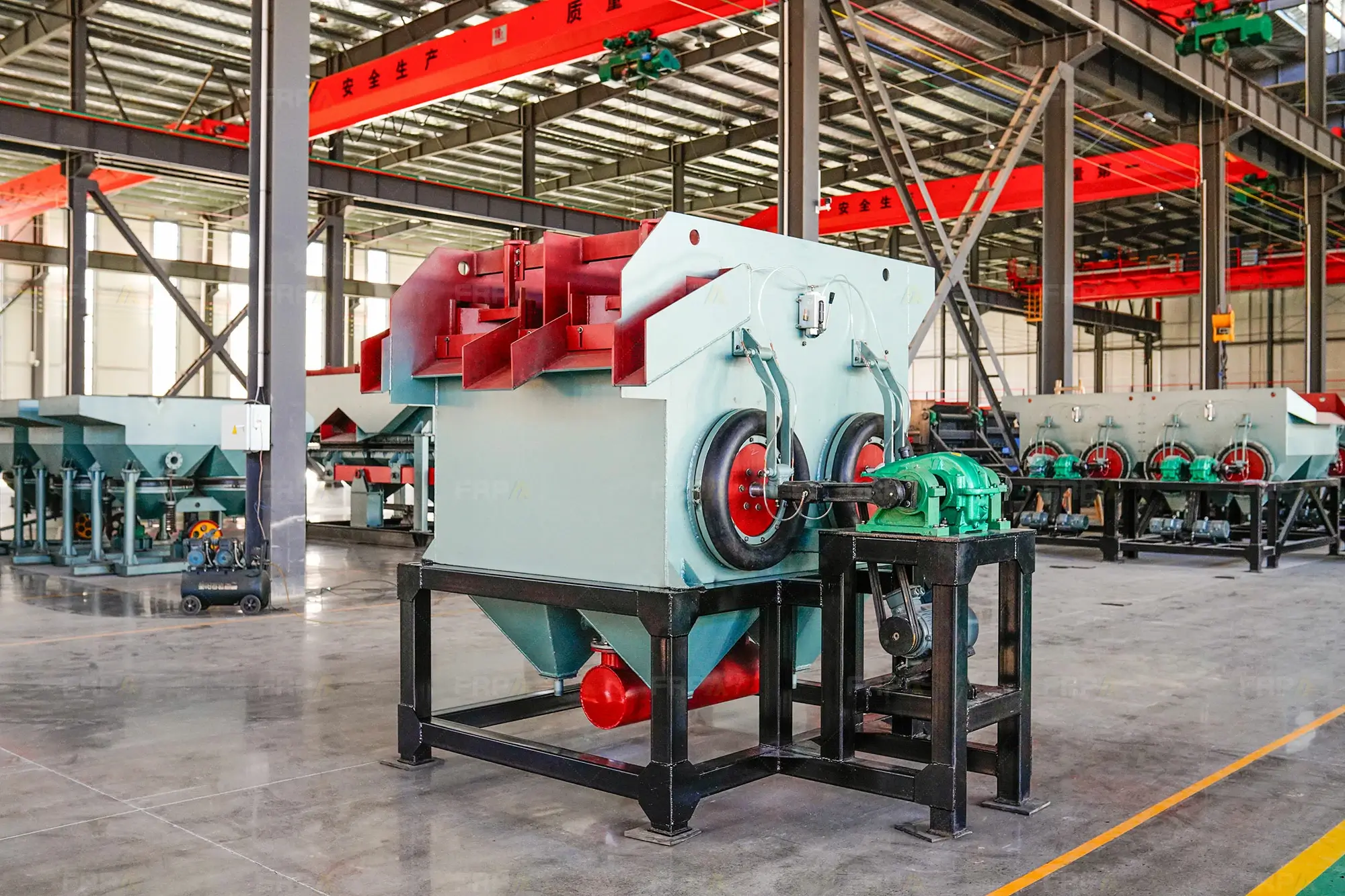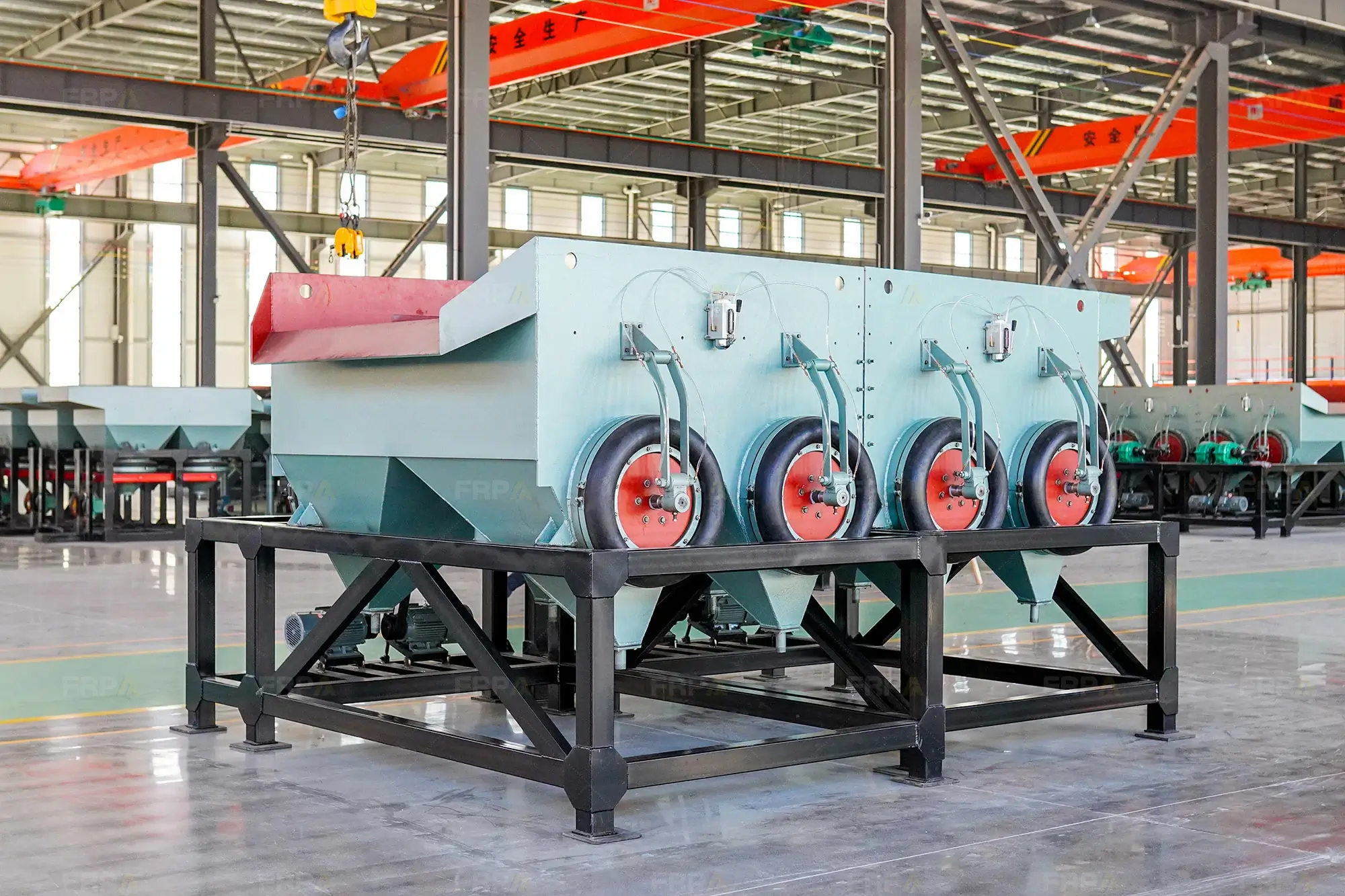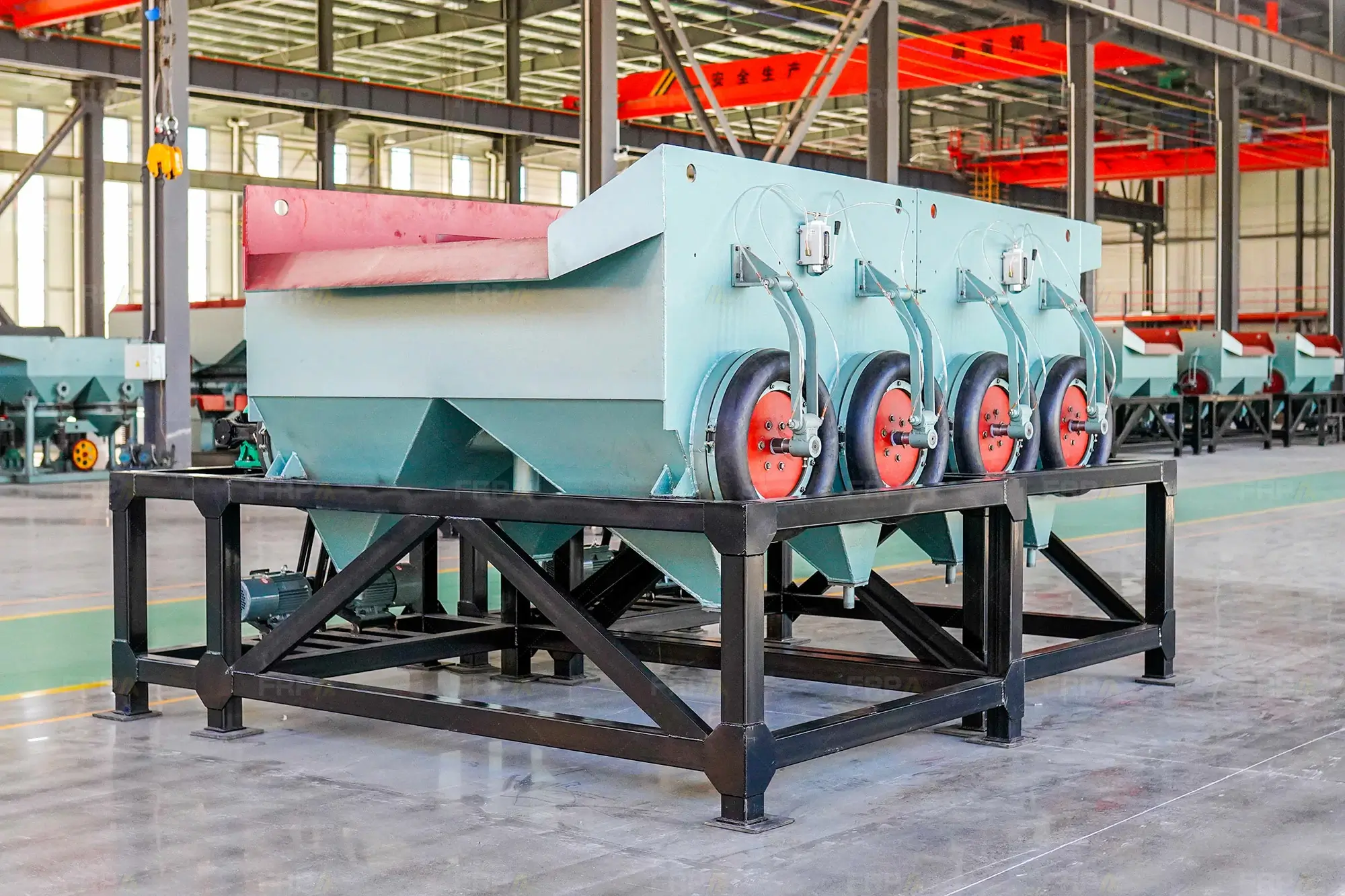





In 2026, FRP successfully completed the installation inspection and commissioning of a 100 TPH barite beneficiation plant for a major barite producer and trading company in Thailand. The plant employs ore washing, crushing, screening & classification, jigging, and dewatering to upgrade the run-of-mine barite ore. After commissioning, the plant has been consistently producing barite concentrate with a specific gravity above 4.2.
On-site operation of the 100 TPH barite beneficiation plant in Thailand
Before contacting FRP, this Thai client faced a common but challenging problem in barite processing: the feed material had a wide particle size distribution, which caused fine barite particles to be easily lost with the tailings, resulting in unstable concentrate grade and low recovery rates.
The client has three core concerns:
What they needed was a solution that maximizes barite recovery — not just a single machine.
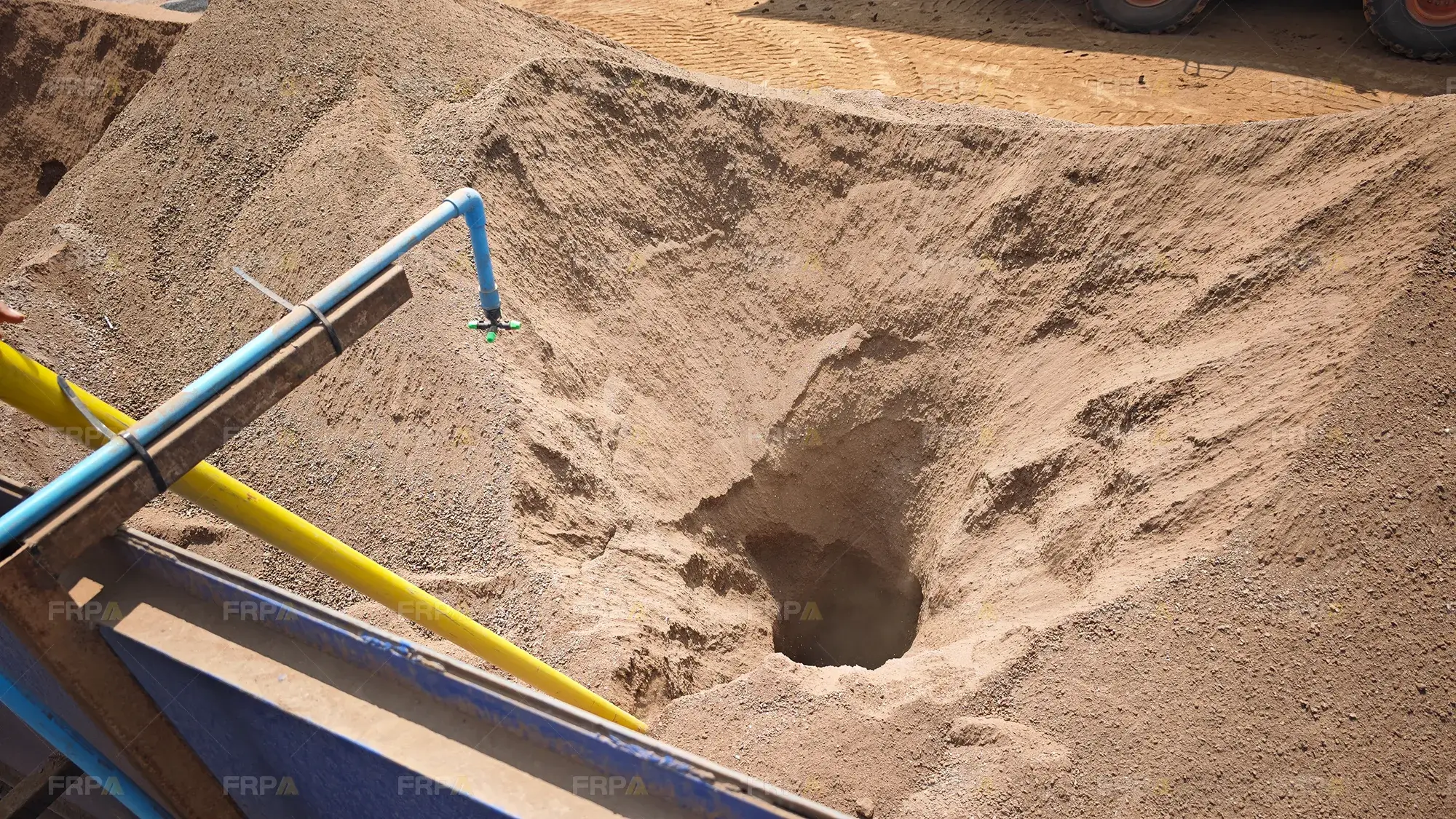
In 2024, the client visited one of their business partners and observed a complete barite beneficiation plant supplied by FRP operating steadily on site. The stable equipment performance, final concentrate quality, and smooth production workflow made a lasting impression — far more convincing than any technical brochure or sales pitch.
After further technical evaluation and supplier comparisons, the client formally contacted FRP in 2025 and requested a 100 TPH barite jigging solution for their new project.
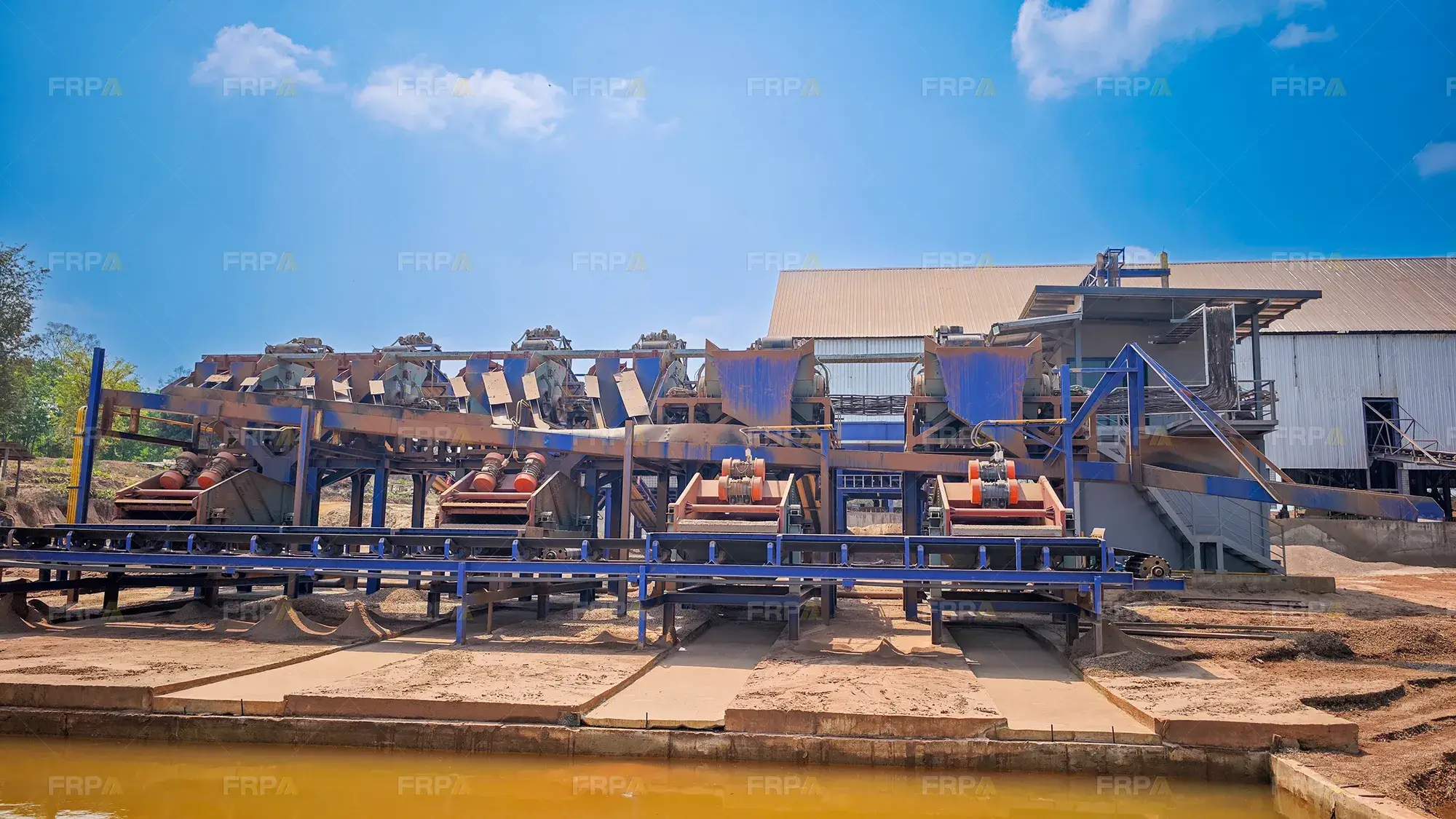
Given the wide particle size distribution of the recoverable barite in the client's ore, FRP's engineering team did not opt for a simple "one jig for all" approach. Instead, they designed a classified jigging process — the material is first screened into size fractions, and then each fraction is processed in the jig concentrator best suited for its particle size.
The run-of-mine barite is washed first to remove clay, mud, and fine contaminants adhering to the ore surface. This simple but critical step prevents wet sticky material from clogging downstream crushing and screening equipment.
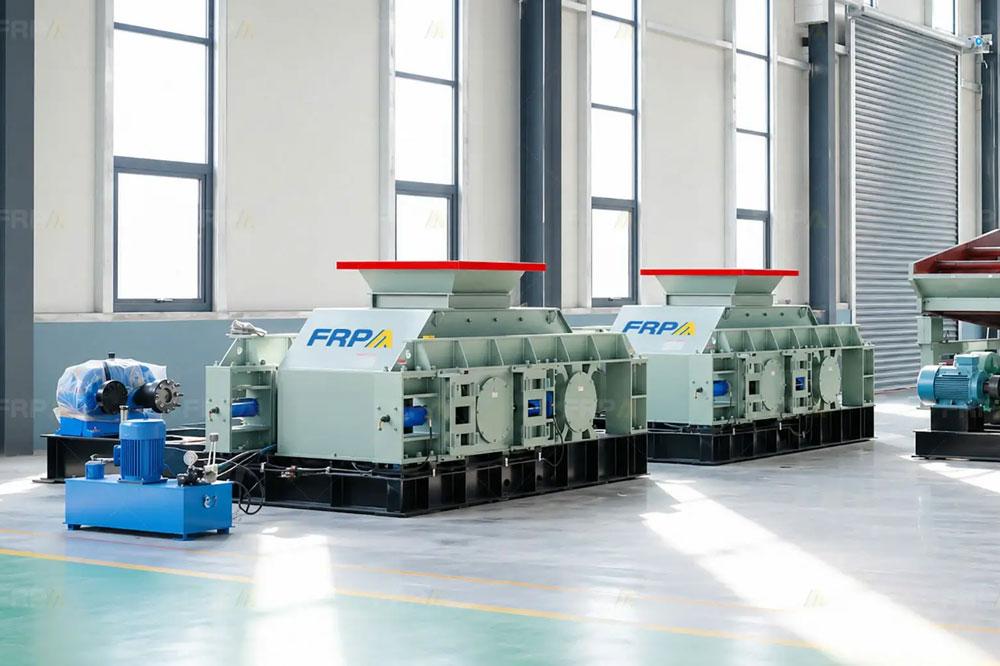
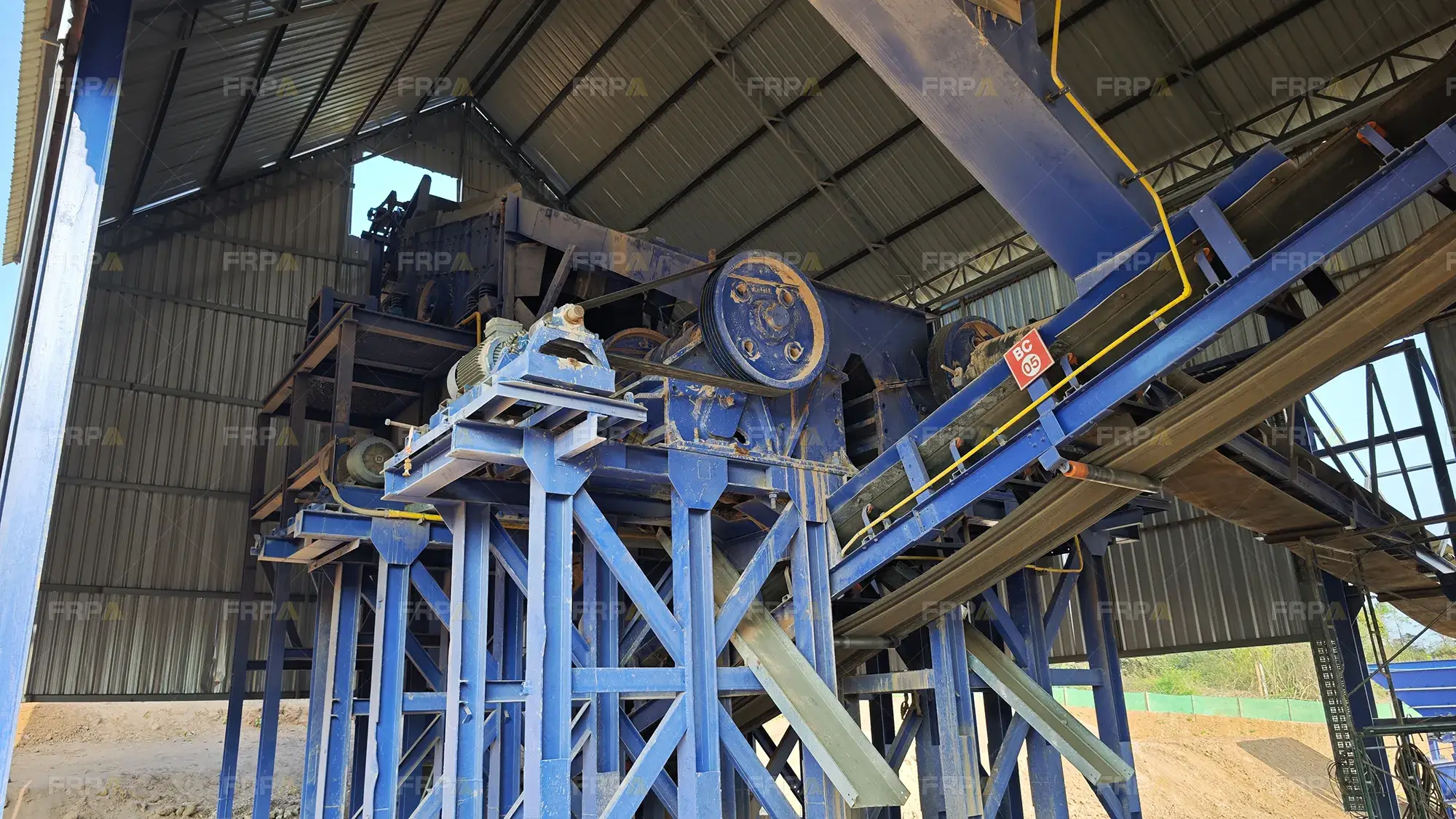
The washed barite ore is fed to the crushing stage to liberate barite from the surrounding waste rock and reduce the material to a suitable size for downstream separation. Care must be taken to avoid over-crushing, which generates unnecessary fines and makes subsequent recovery more difficult.
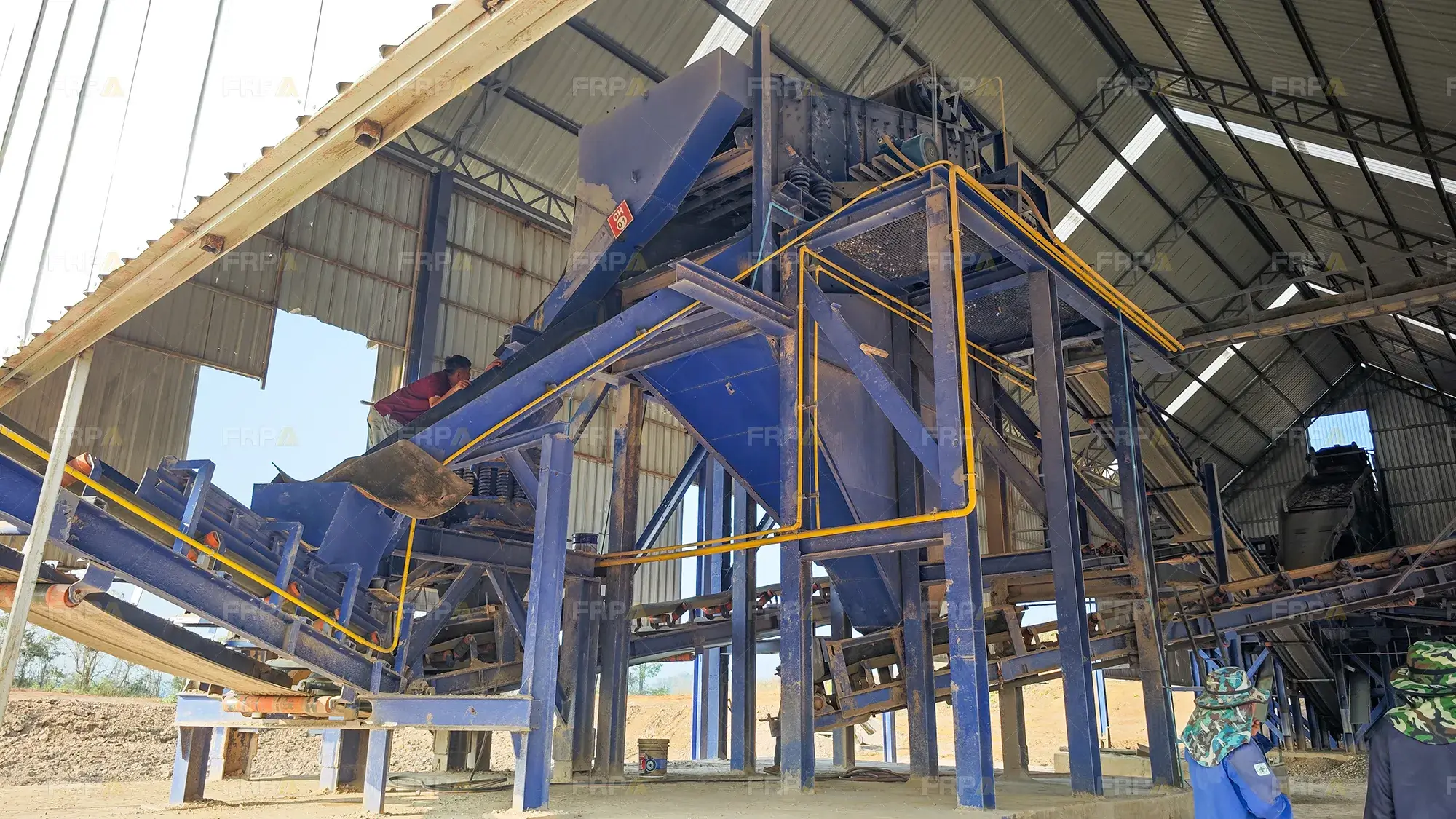
The crushed material is divided into different particle-size fractions by screening equipment. Why is classification so important? Coarse and fine particles behave very differently inside a jig concentrator. If a wide size range is fed into a single jig, coarse particles disturb the bed stability and fine particles are easily washed away, reducing recovery.
After classification, each size fraction can be processed with parameters that match its specific characteristics.
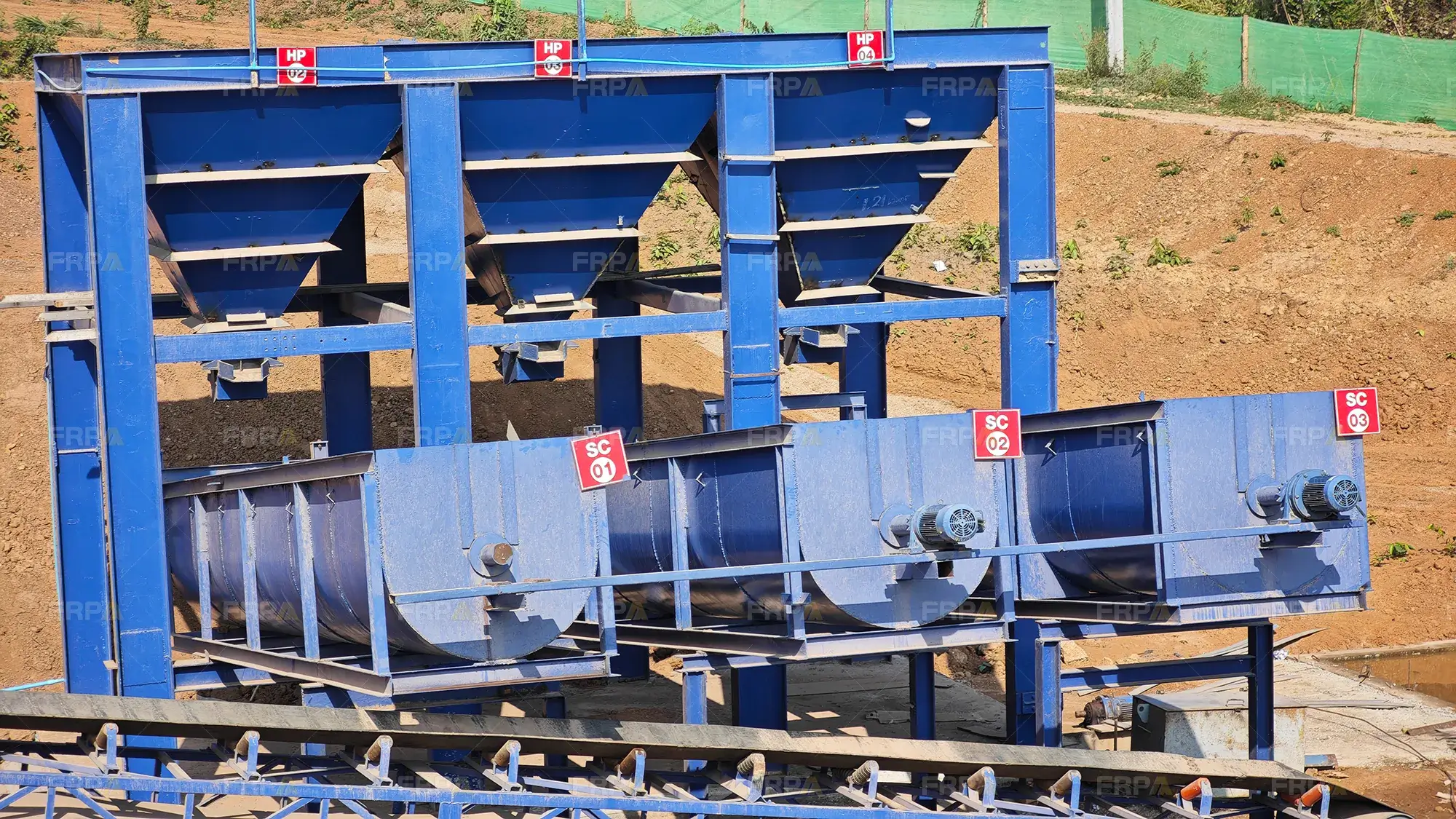
The classified material is then directed to the corresponding jig concentrators:
Inside the jigging chamber, periodic pulsating water flow repeatedly loosens and settles the material bed, causing particles to stratify by density. The denser barite particles move to the lower layer, while the lighter gangue stays in the upper layer and is discharged separately.
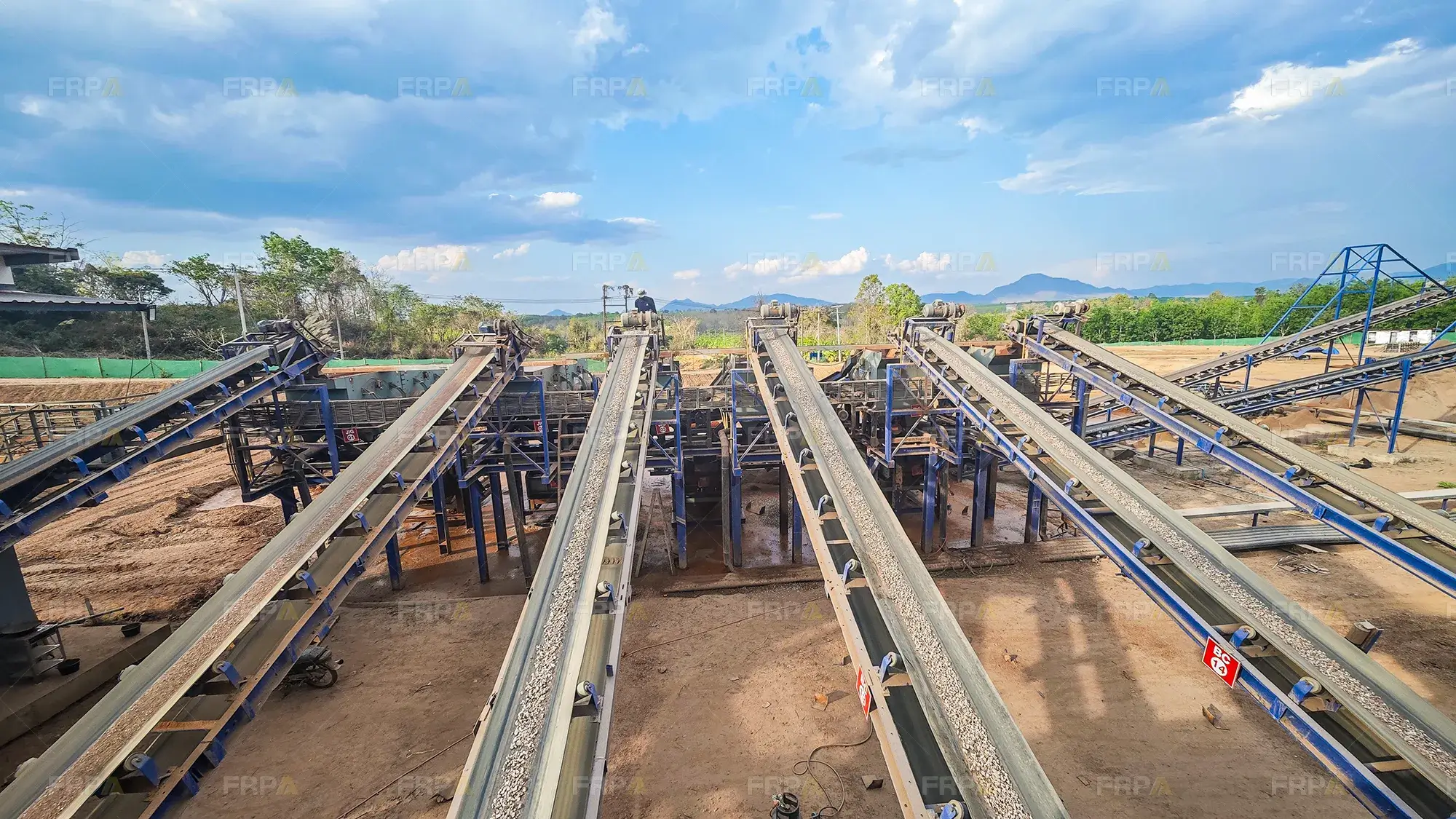
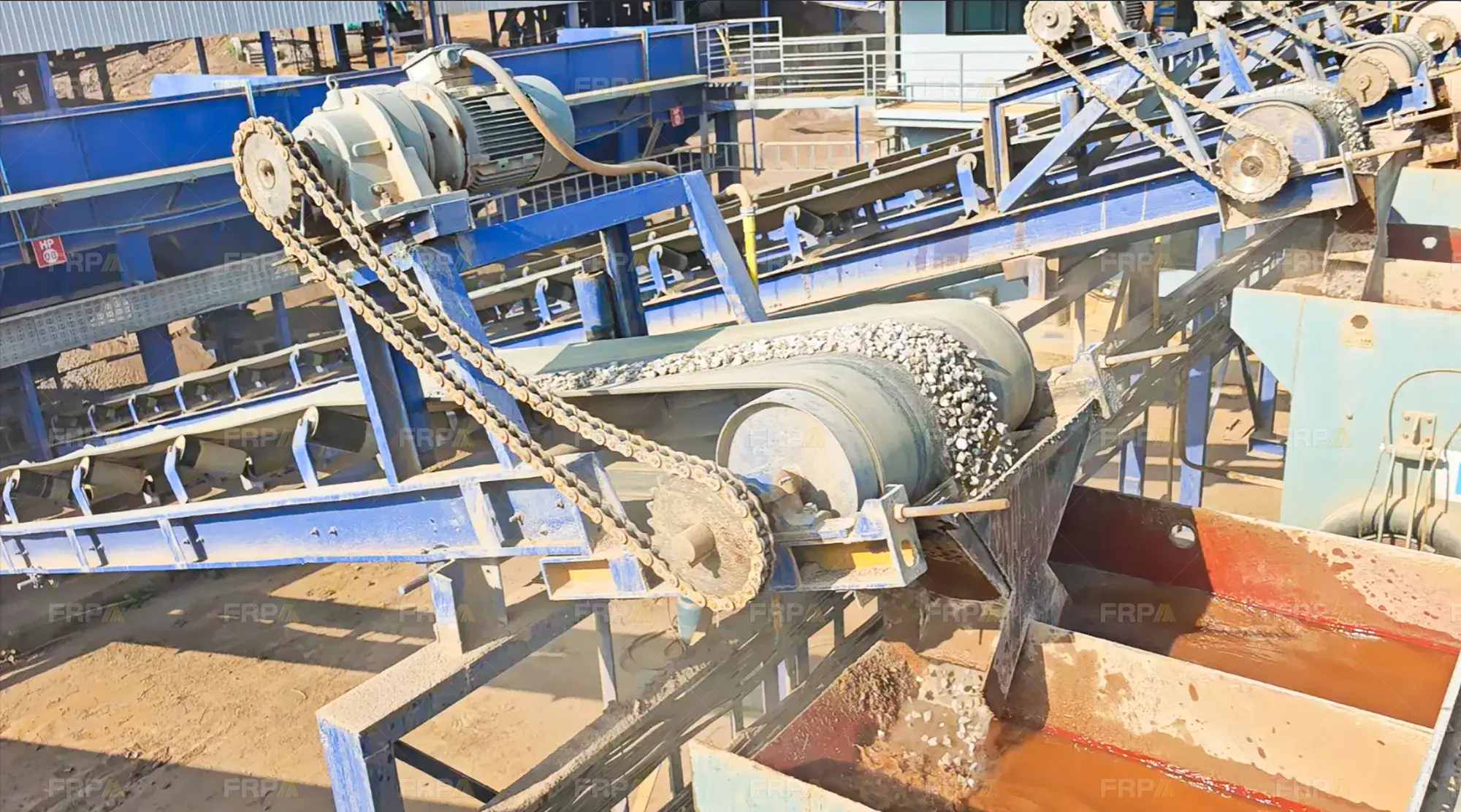
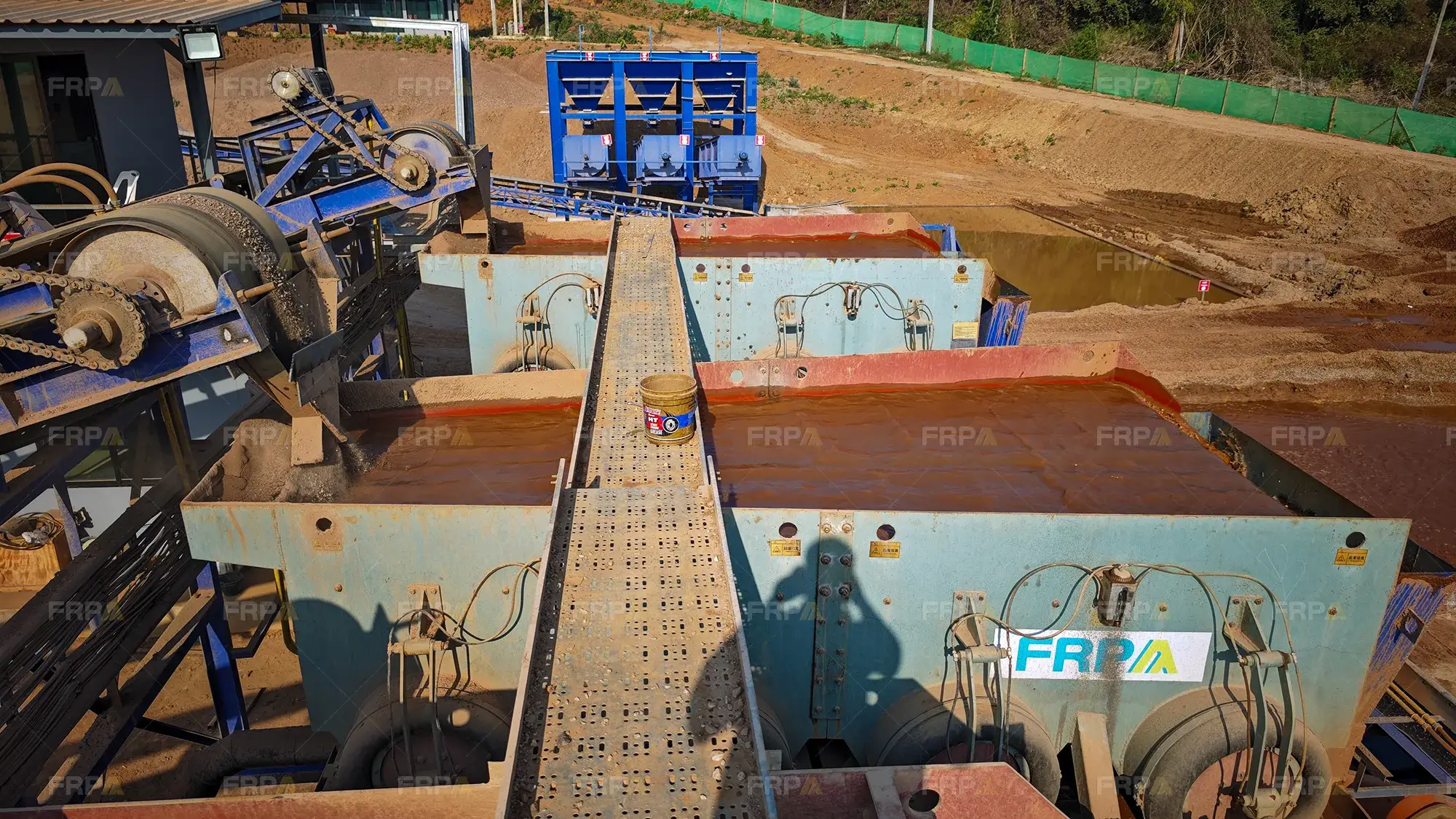
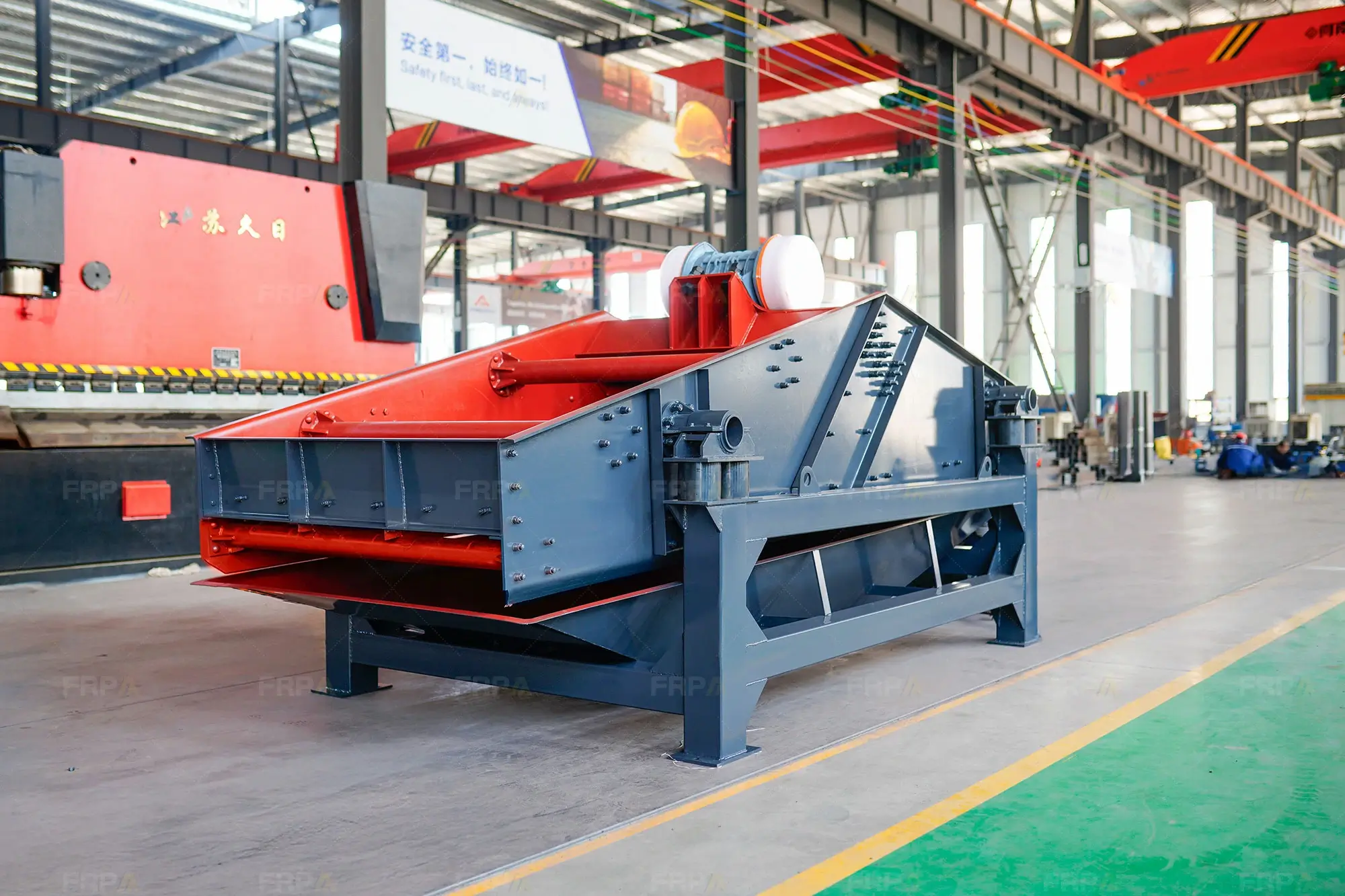
The barite concentrate and tailings discharged from the jig concentrators are sent to dewatering screens, which remove most of the process water, producing lower-moisture products that are easier to stockpile and transport.
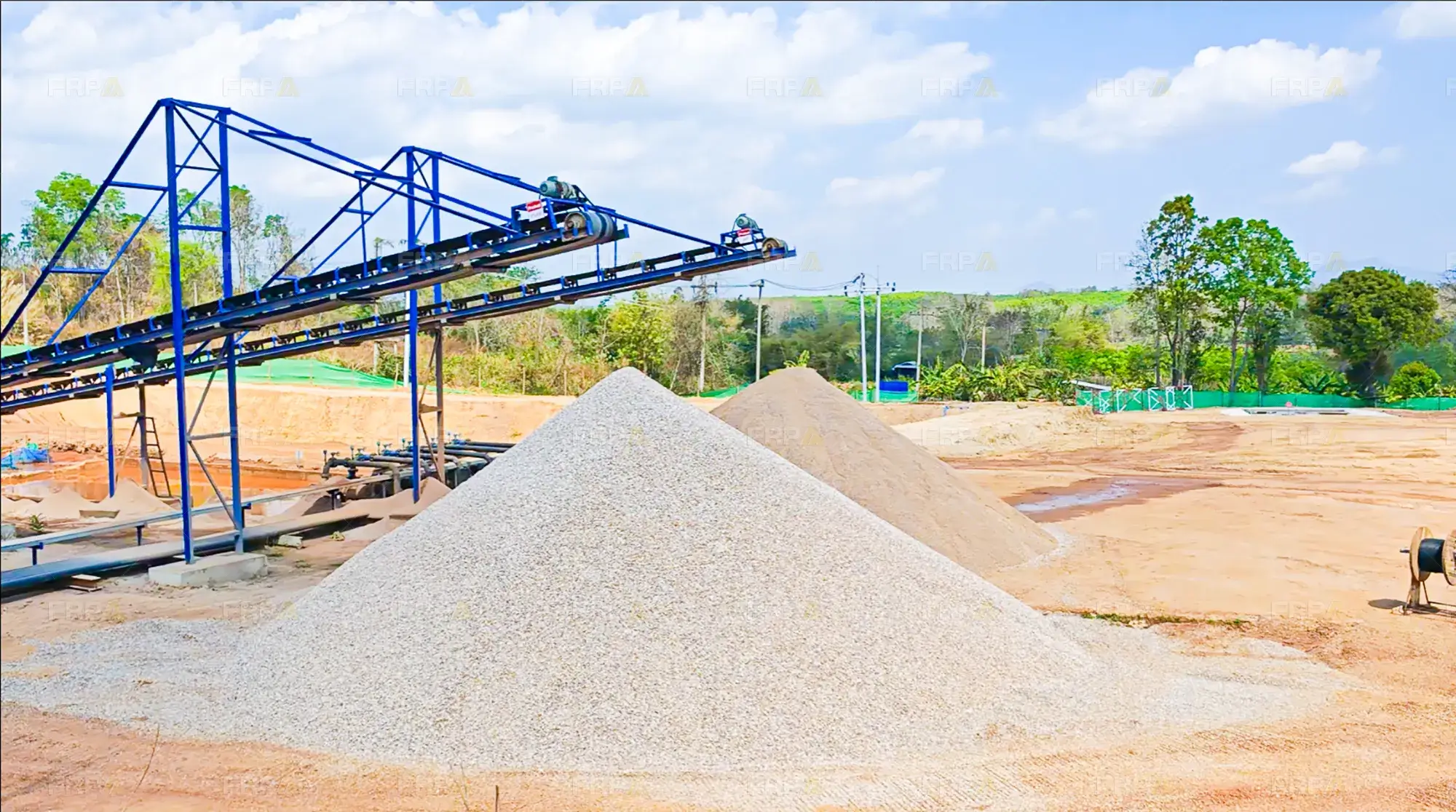
In 2026, FRP engineers traveled to the client's site in Thailand to inspect the installation and commission the barite beneficiation equipment. During commissioning, the engineers checked each piece of equipment and fine-tuned the operating parameters according to the actual ore conditions at the site.
Commissioning work focused on:
FRP engineers also trained the client's operators in equipment start-up, shutdown, parameter adjustment, routine inspection, maintenance, and basic troubleshooting.
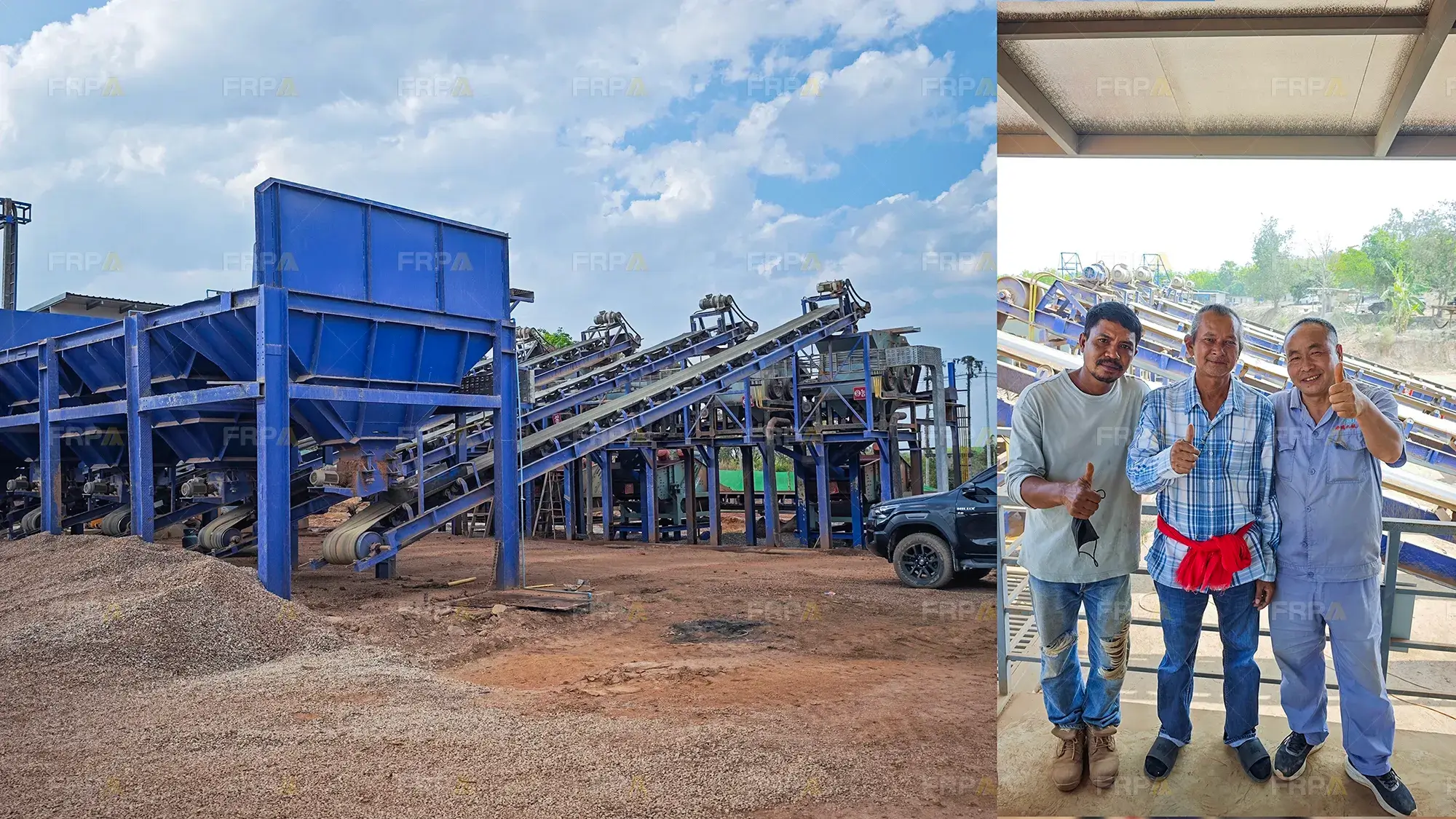
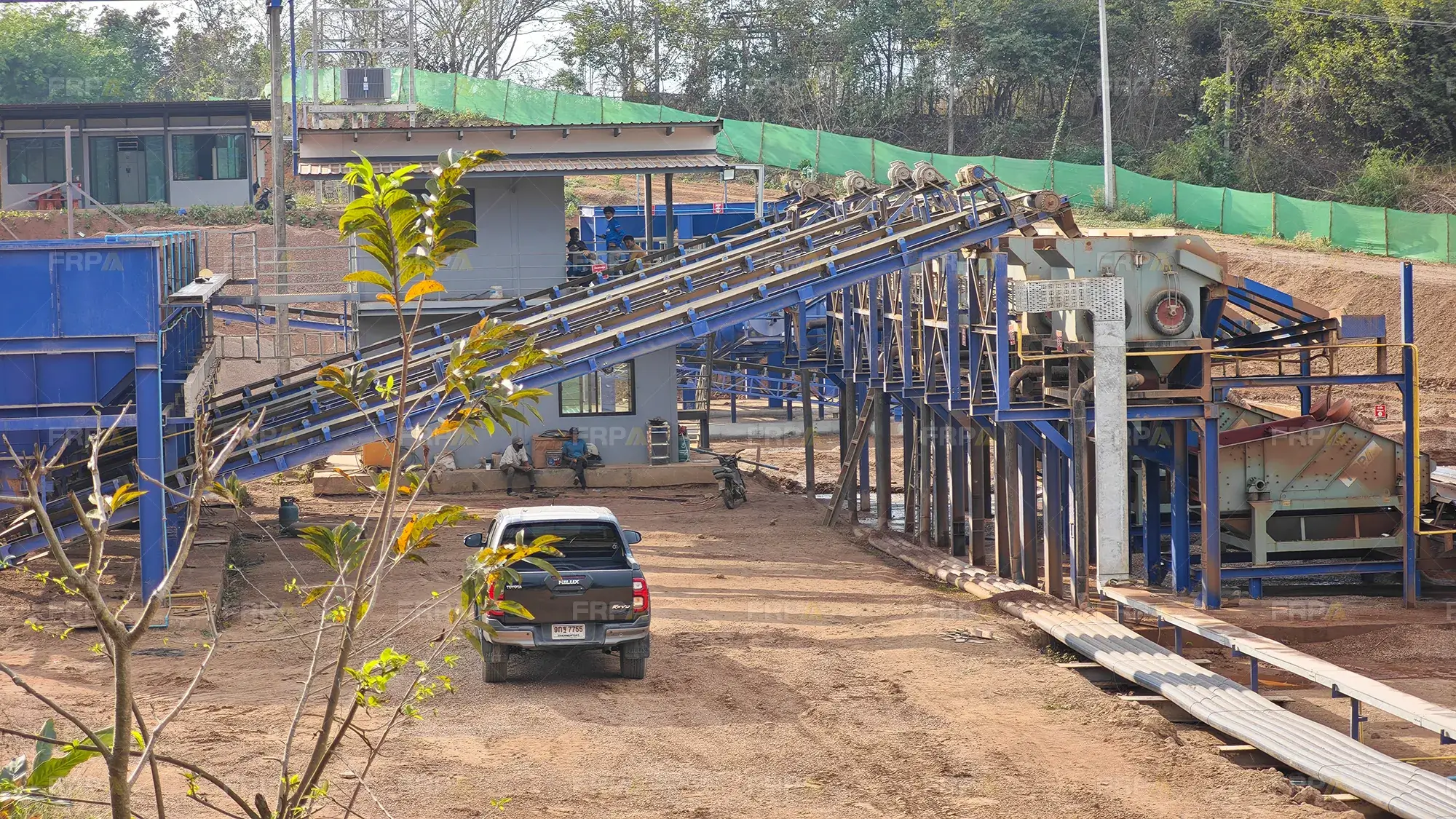
The final barite concentrate consistently achieved a specific gravity above 4.2, fully meeting market standards. The client expressed high satisfaction with the equipment performance, concentrate quality, production stability, and the on-site technical support provided by FRP.
This is a key design feature of the project, and one that many clients ask about.
A single jig cannot process every particle size with the same efficiency. When coarse and fine particles enter the same machine, the difference in settling velocity disturbs the stability of the jig bed, leading to:
By screening and classifying before jigging, the plant achieves:
This classified jigging process is particularly suitable for medium- and large-capacity barite beneficiation plants with a wide feed particle-size distribution.
Every barite ore is unique. FRP doesn't offer a one-size-fits-all solution. We tailor the most suitable beneficiation process based on your specific ore conditions.
Get Your Custom Barite Beneficiation SolutionFree Consultation | Engineer-to-Engineer Support
Have a question, need advice, or want to schedule an appointment? We're happy to assist with any inquiries you have about our equipment and system solutions.