




Processing Capacity
600 TPD
Feed Grade
10–20% CaF₂
Jig Pre-concentrate Grade
30-40% CaF₂
Final Concentrate Grade
97%+ CaF₂ (Acid-Grade)
In 2025, a mining enterprise in Mongolia planned to construct a 600 TPD fluorite beneficiation plant to produce acid-grade fluorspar concentrate.
Assay results revealed a major technical hurdle: the run-of-mine (ROM) grade was only 10%–20%, with waste gangue accounting for over 80% of the raw ore.
Such extremely low head grades yield very low concentrate per ton of mined ore. If conventional direct flotation were applied, massive amounts of gangue would uselessly consume excessive grinding power and flotation reagents. As a result, the unit processing cost per ton of concentrate would exceed its market value—rendering the project financially unviable and guaranteed to operate at a loss.
To address this severe cost bottleneck, the client partnered with FRP Engineering to develop a cost-competitive mineral processing solution designed to restore economic feasibility to this low-grade ore project.
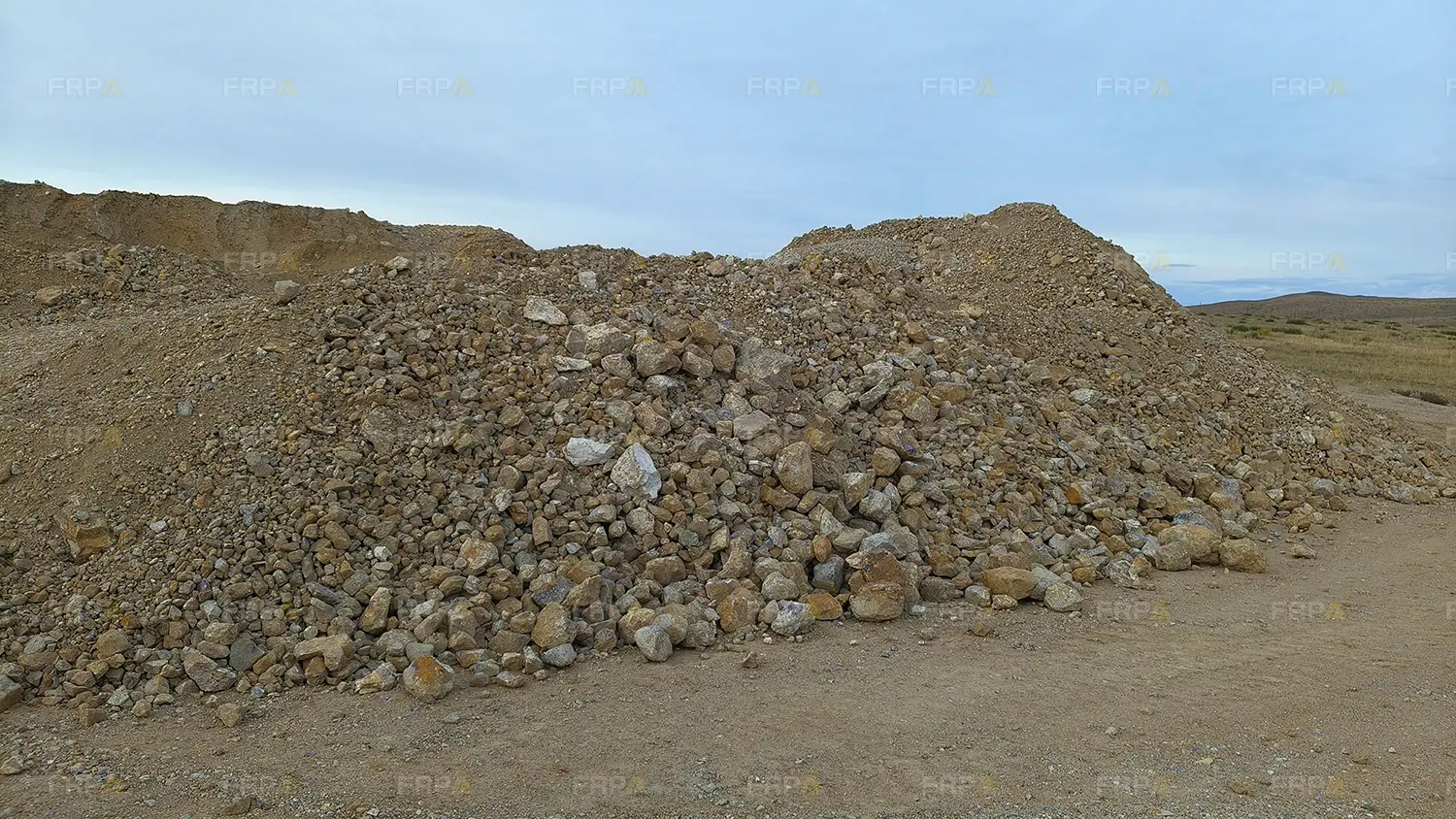
Process Innovation: Gravity Pre-Concentration Prior to Grinding
FRP’s metallurgical testing identified two critical physical properties of the ore:
1.High Density Contrast: Fluorite (~3.2 g/cm³) has a distinct specific gravity difference over the lighter gangue (~2.6 g/cm³)—providing an ideal basis for gravity separation.
2.Non-Uniform (Patchy) Distribution: Fluorite is unevenly distributed within the host rock. Controlled crushing breaks the ore along natural mineral boundaries, allowing significant fluorite liberation at coarse sizes without deep grinding.
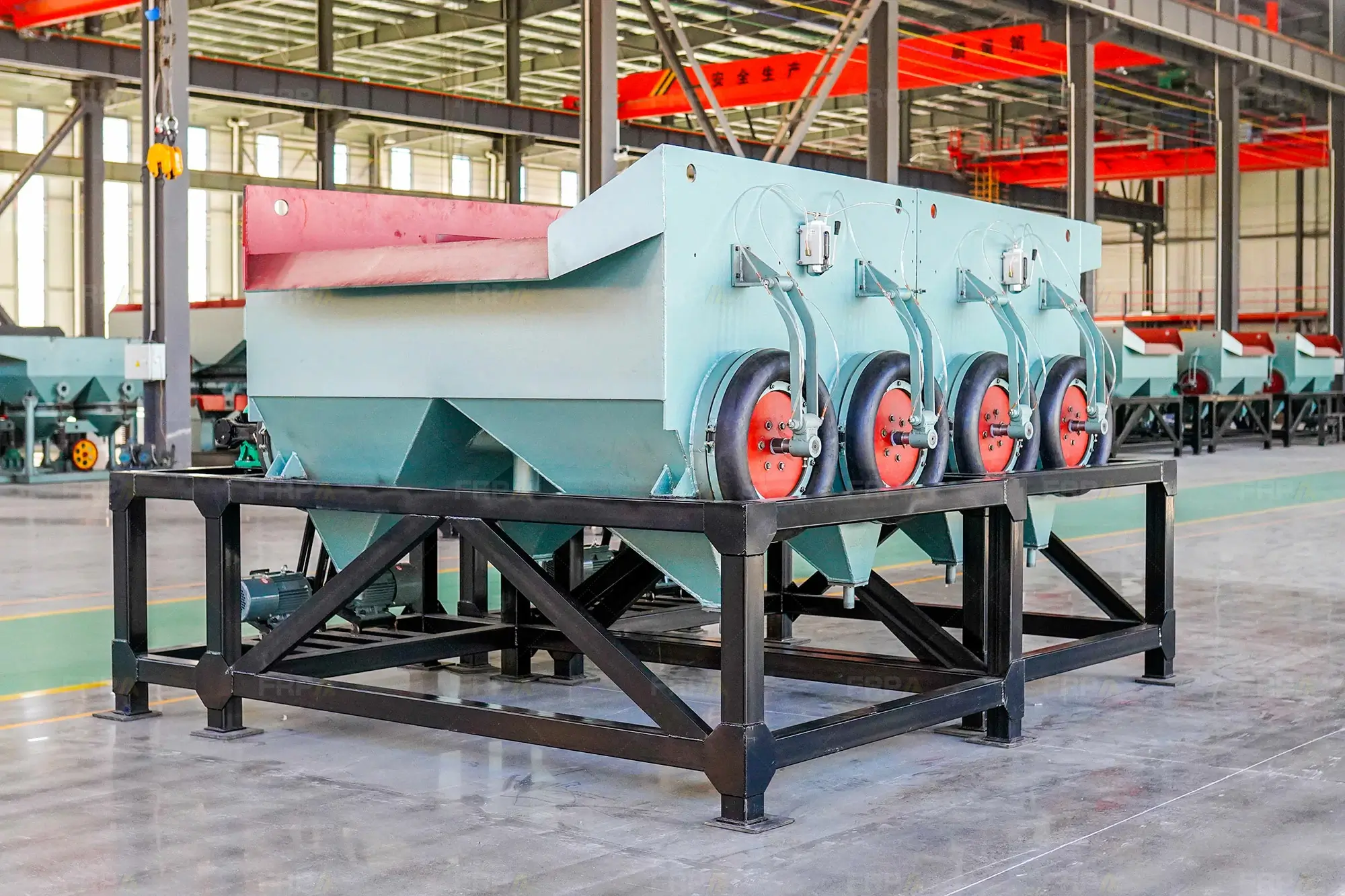
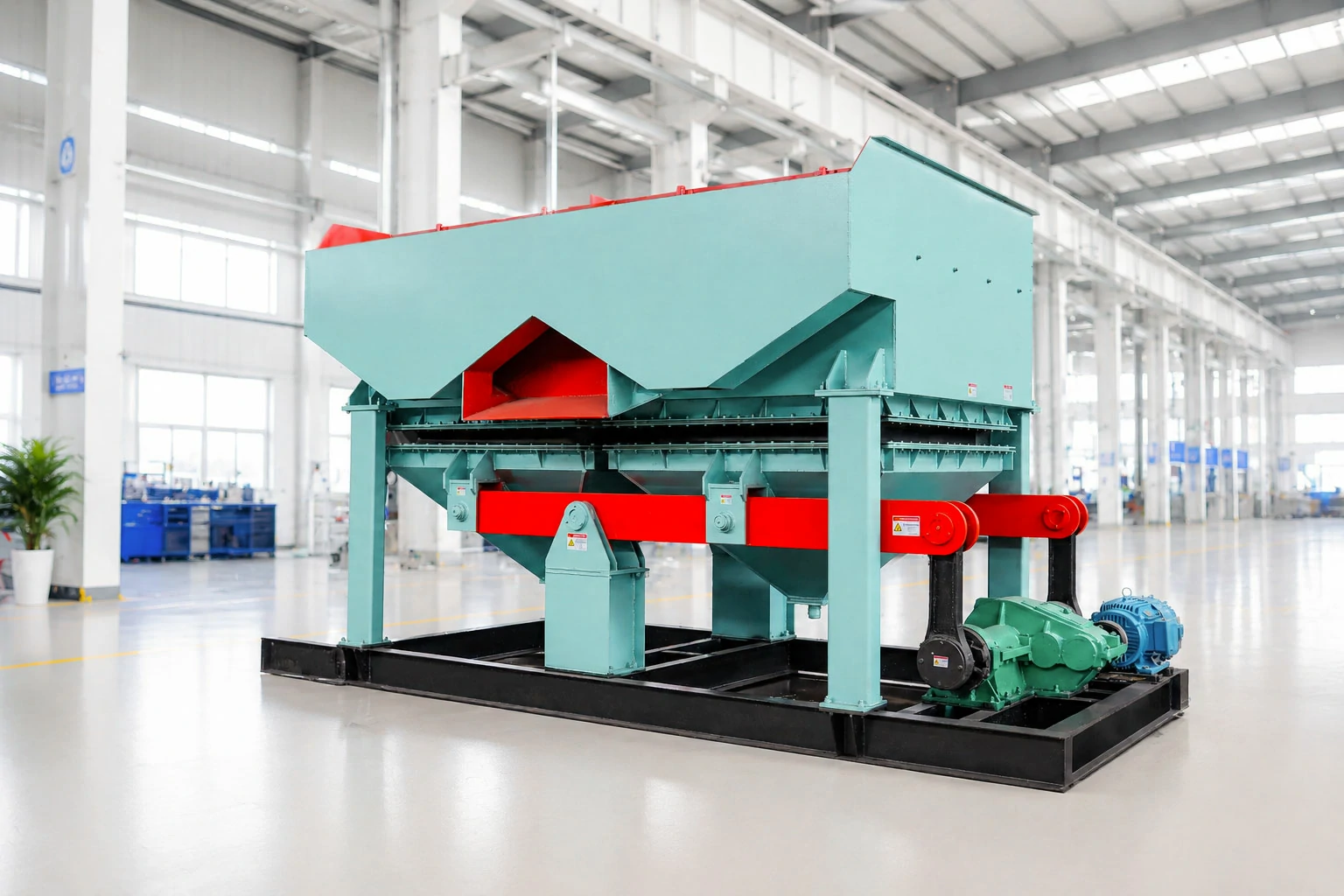
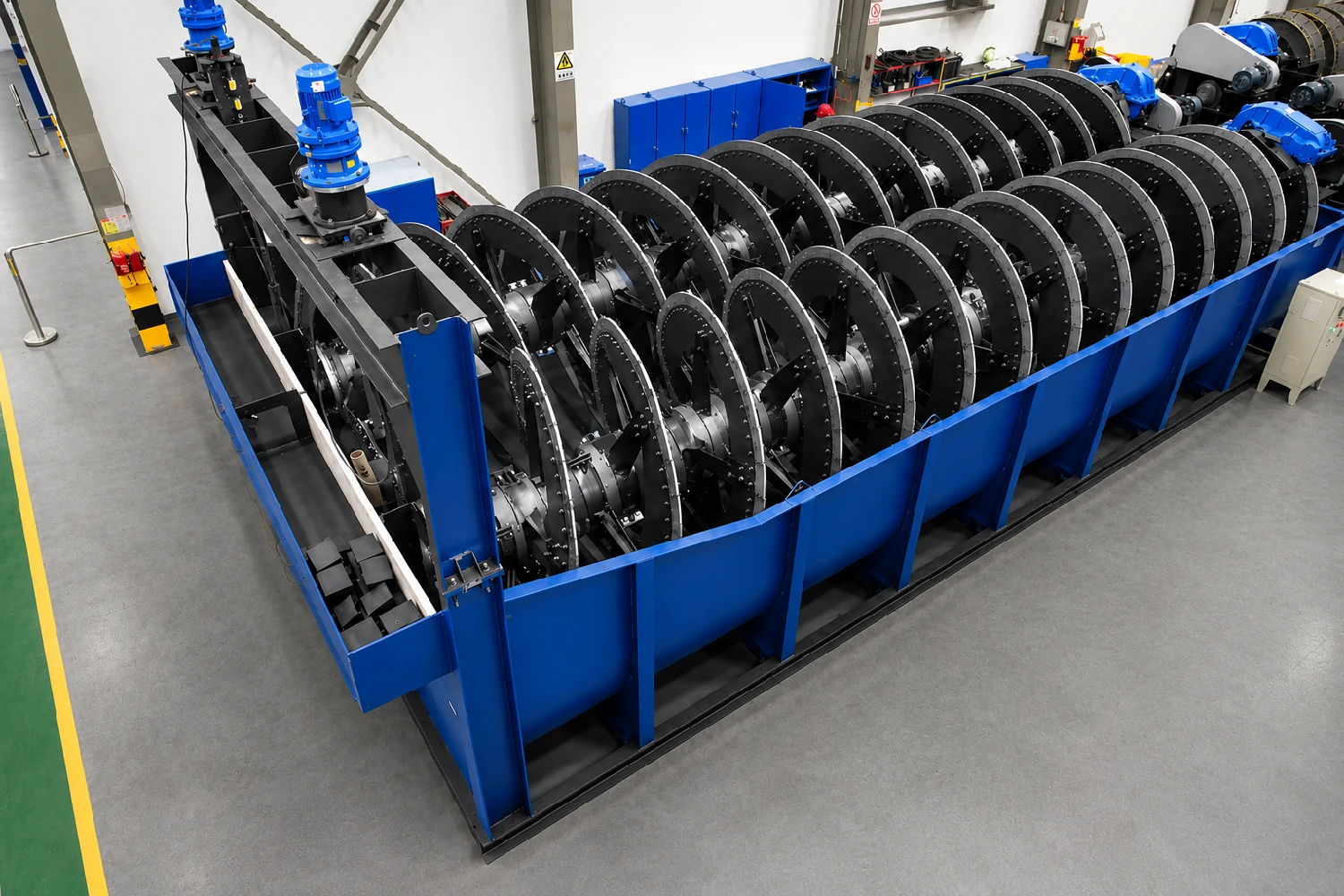
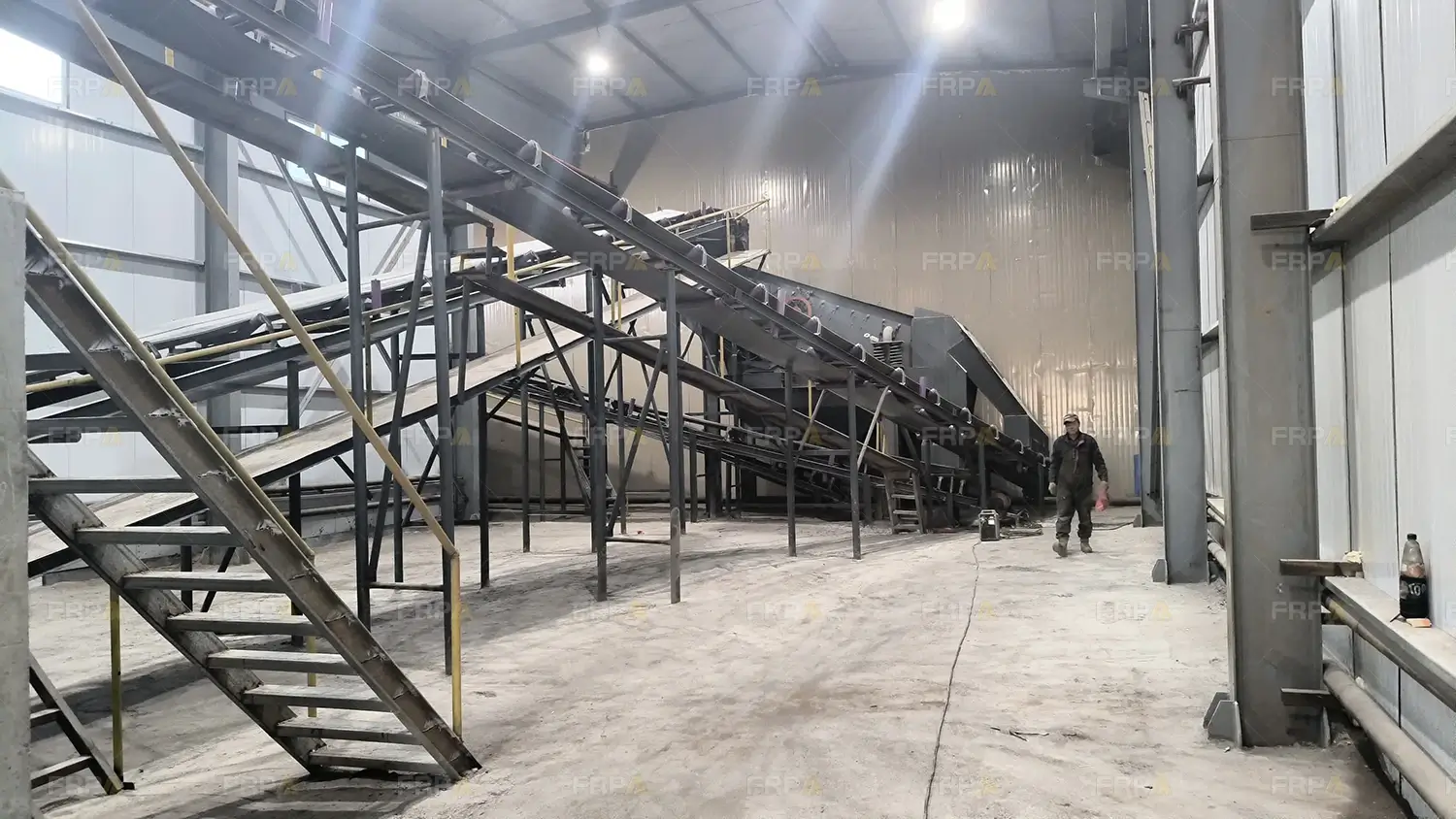
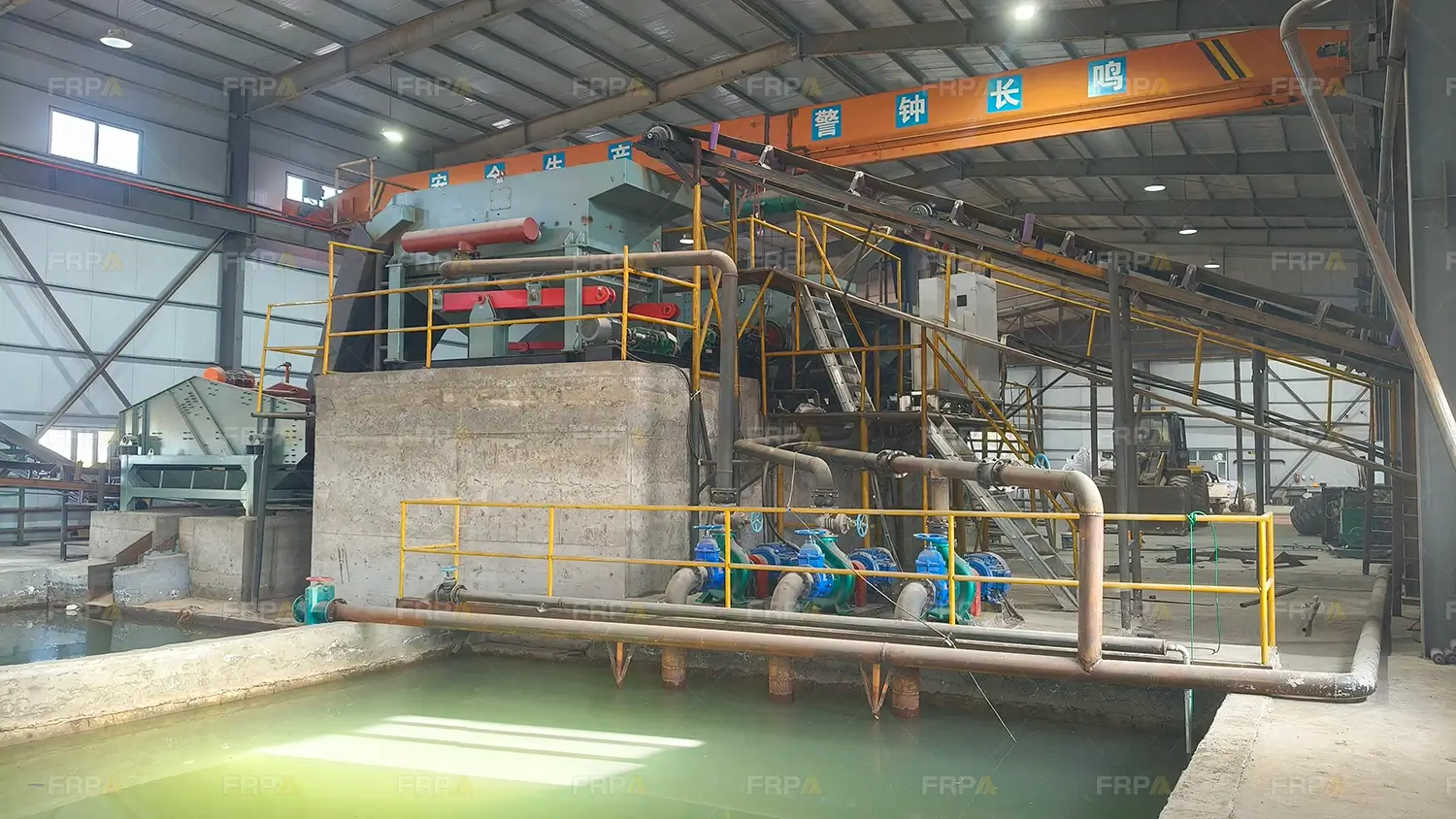
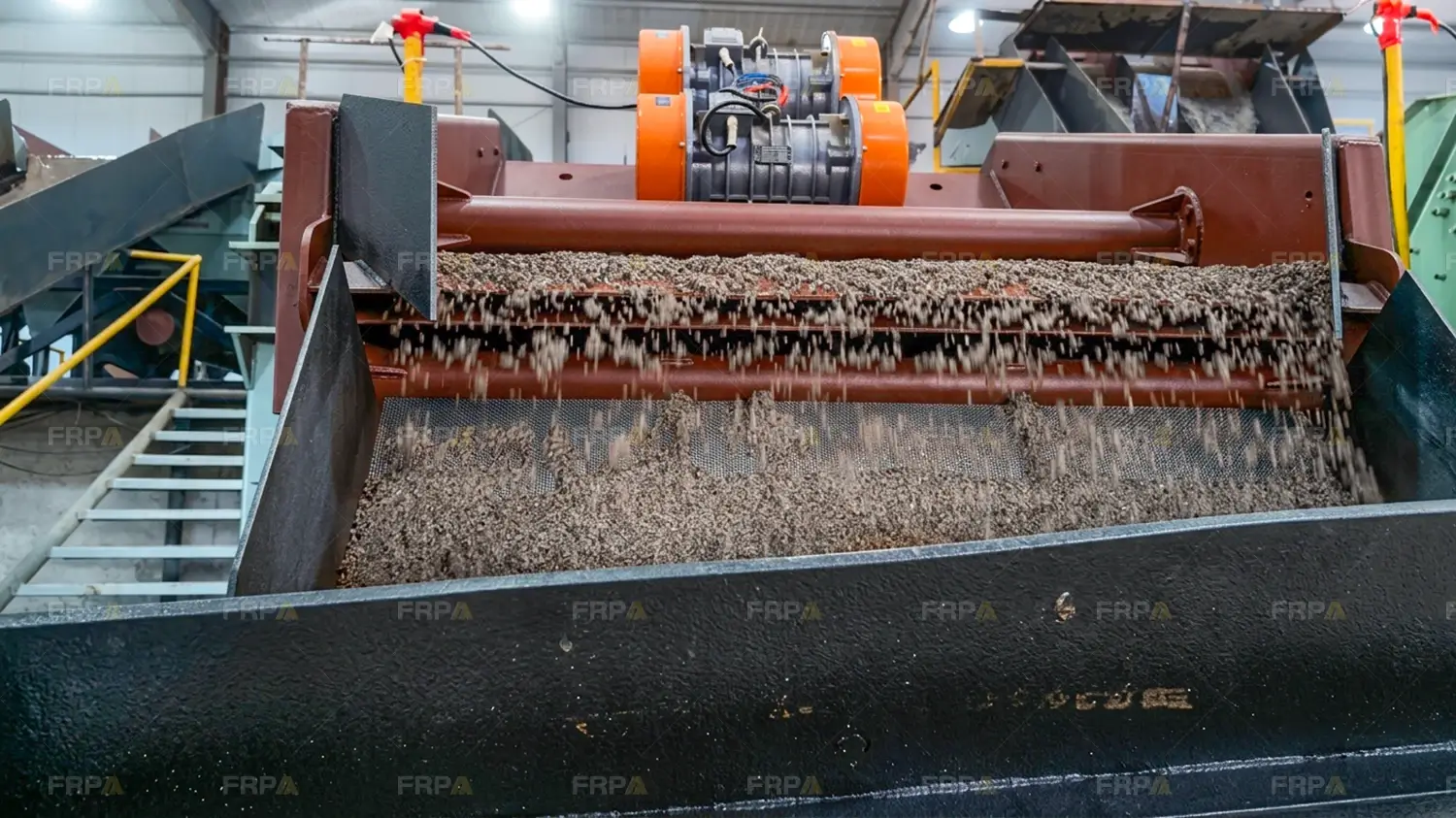
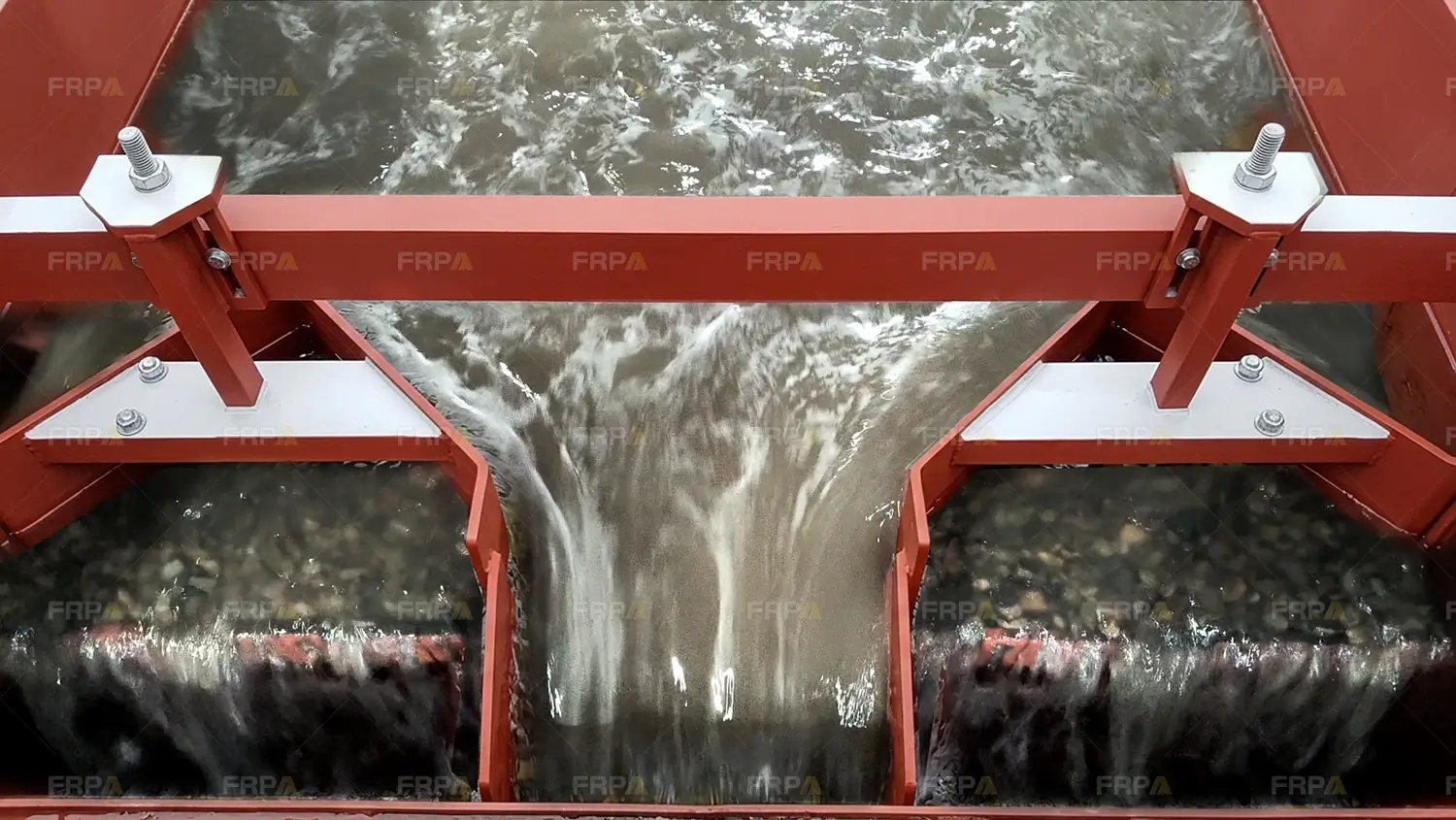
Leveraging these characteristics, FRP introduced a gravity pre-concentration stage (jigging) prior to grinding. This allows for early rejection of barren gangue and pre-concentrating high-grade fluorite upfront—dramatically reducing the ore volume sent to expensive grinding and flotation circuits.
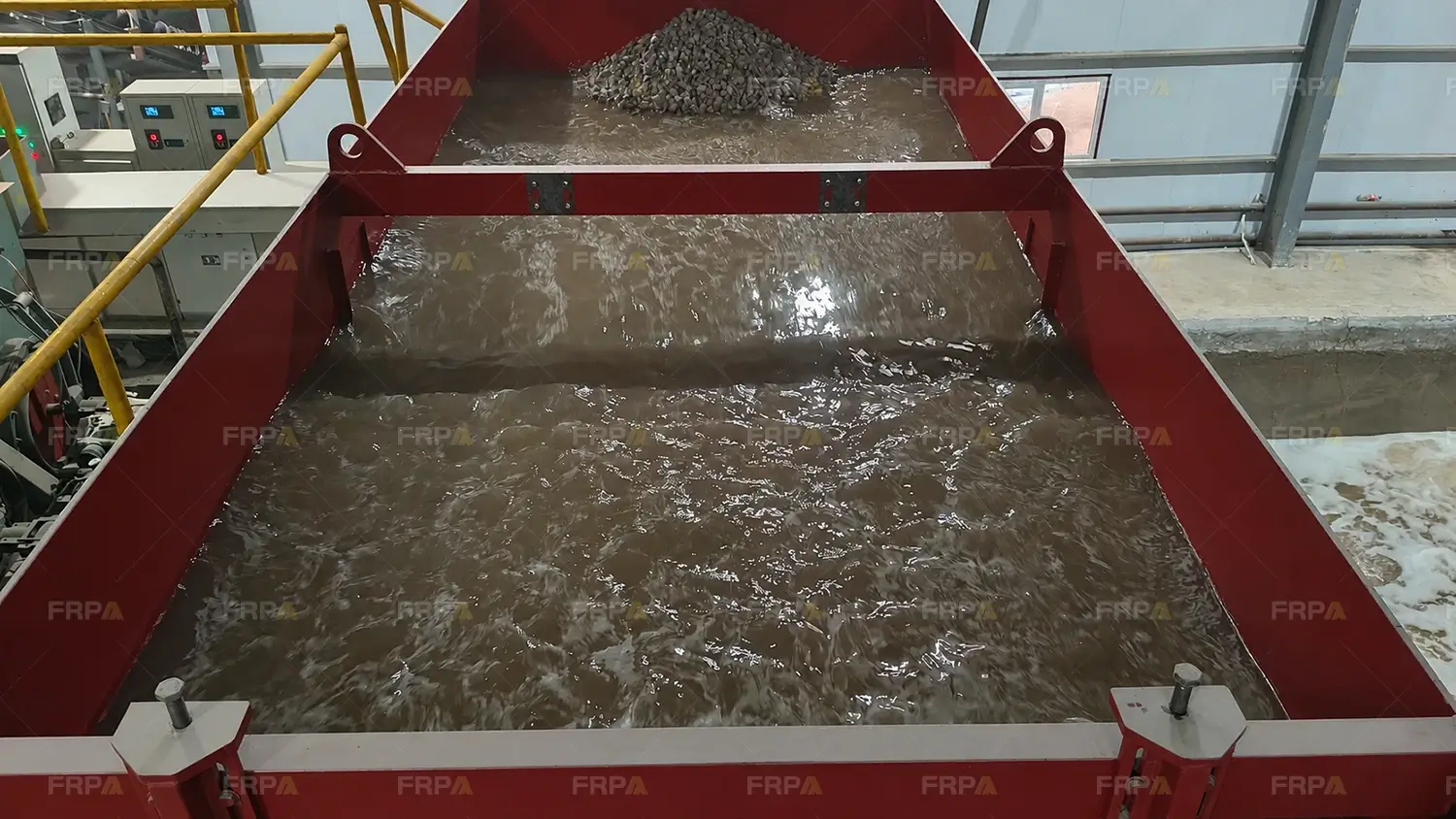
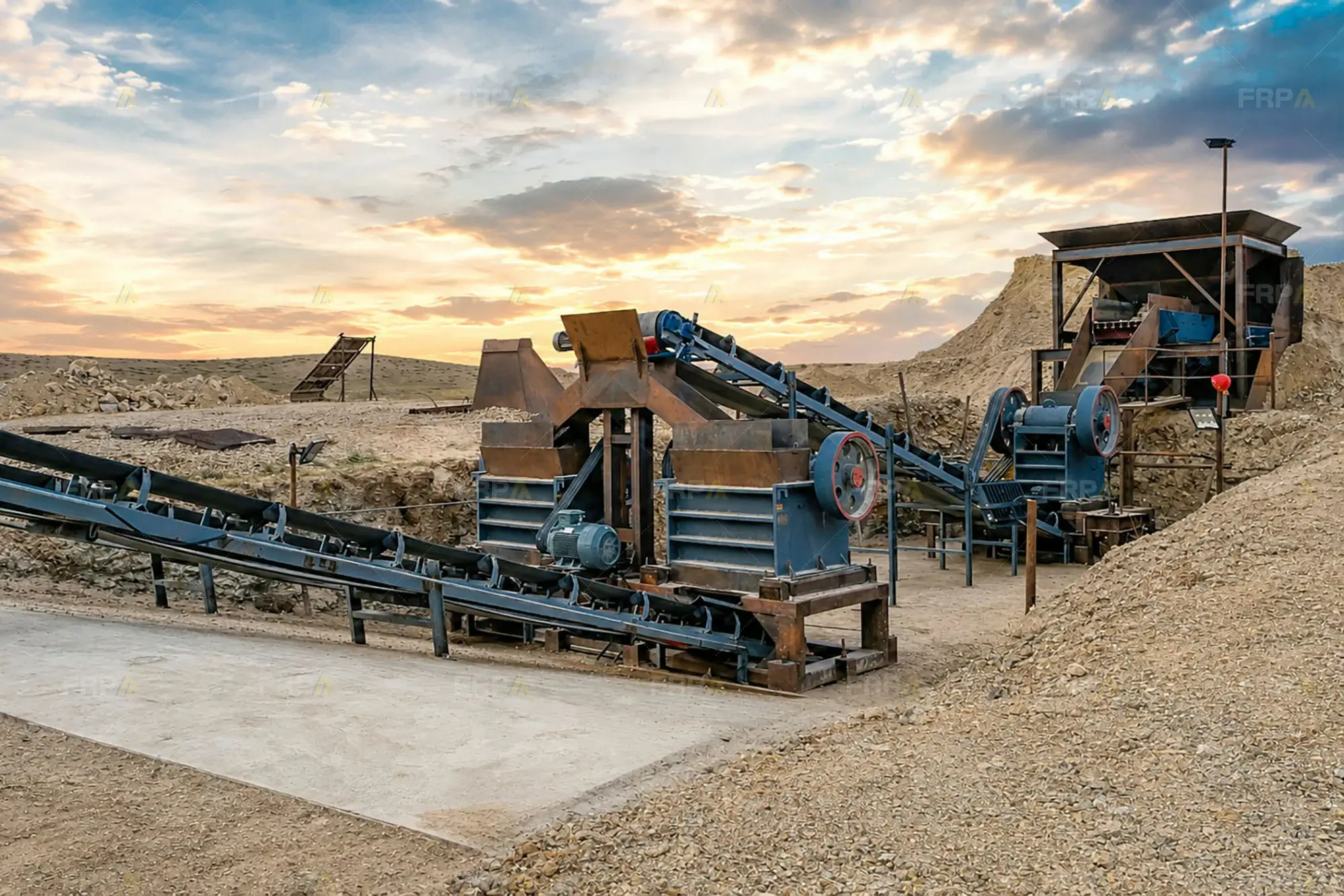
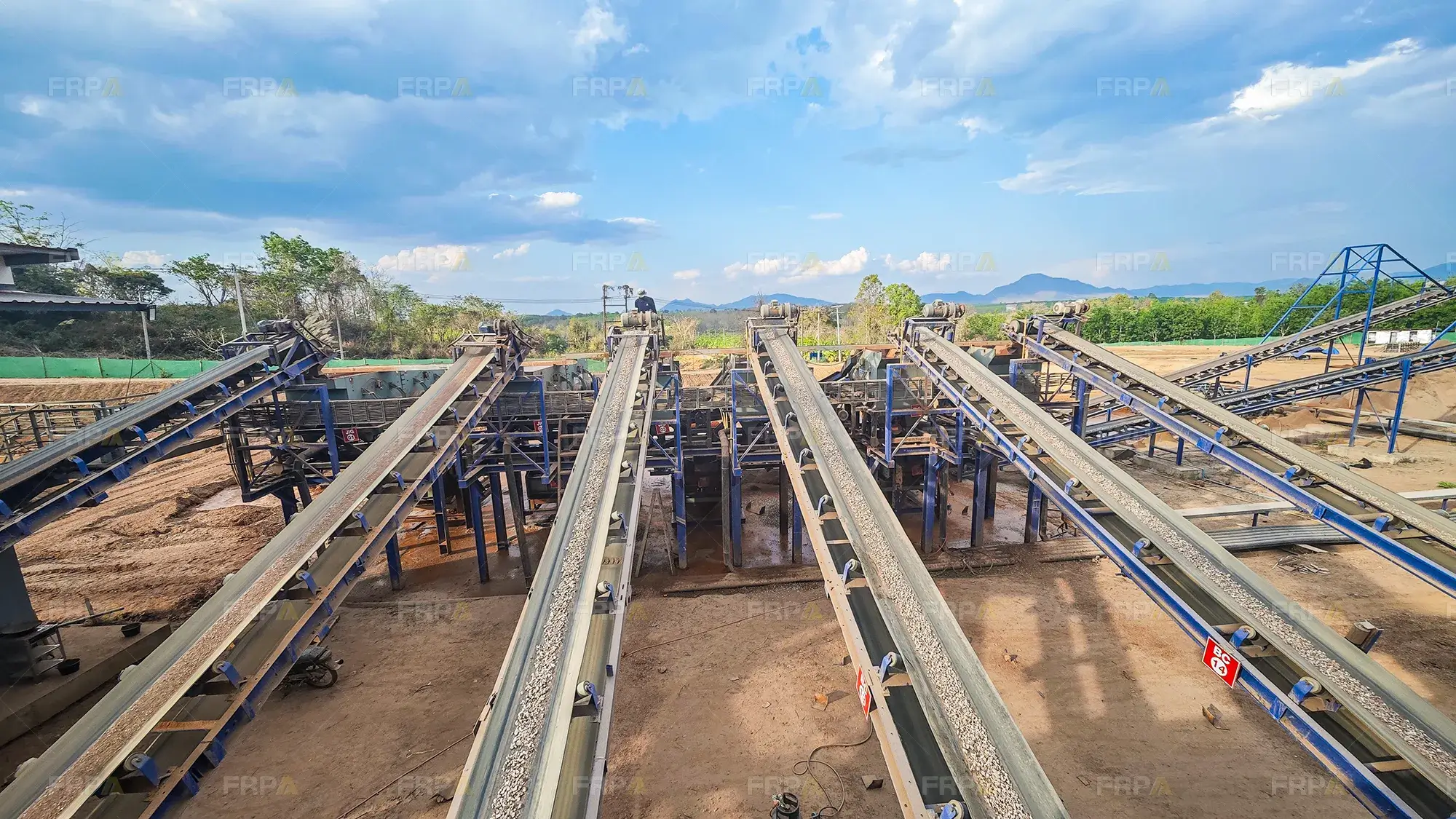
Driven by lab testwork, FRP designed an optimized "Crushing & Screening → Jigging Pre-Concentration → Grinding & Flotation" flowsheet, delivering immediate operational and cost efficiencies.
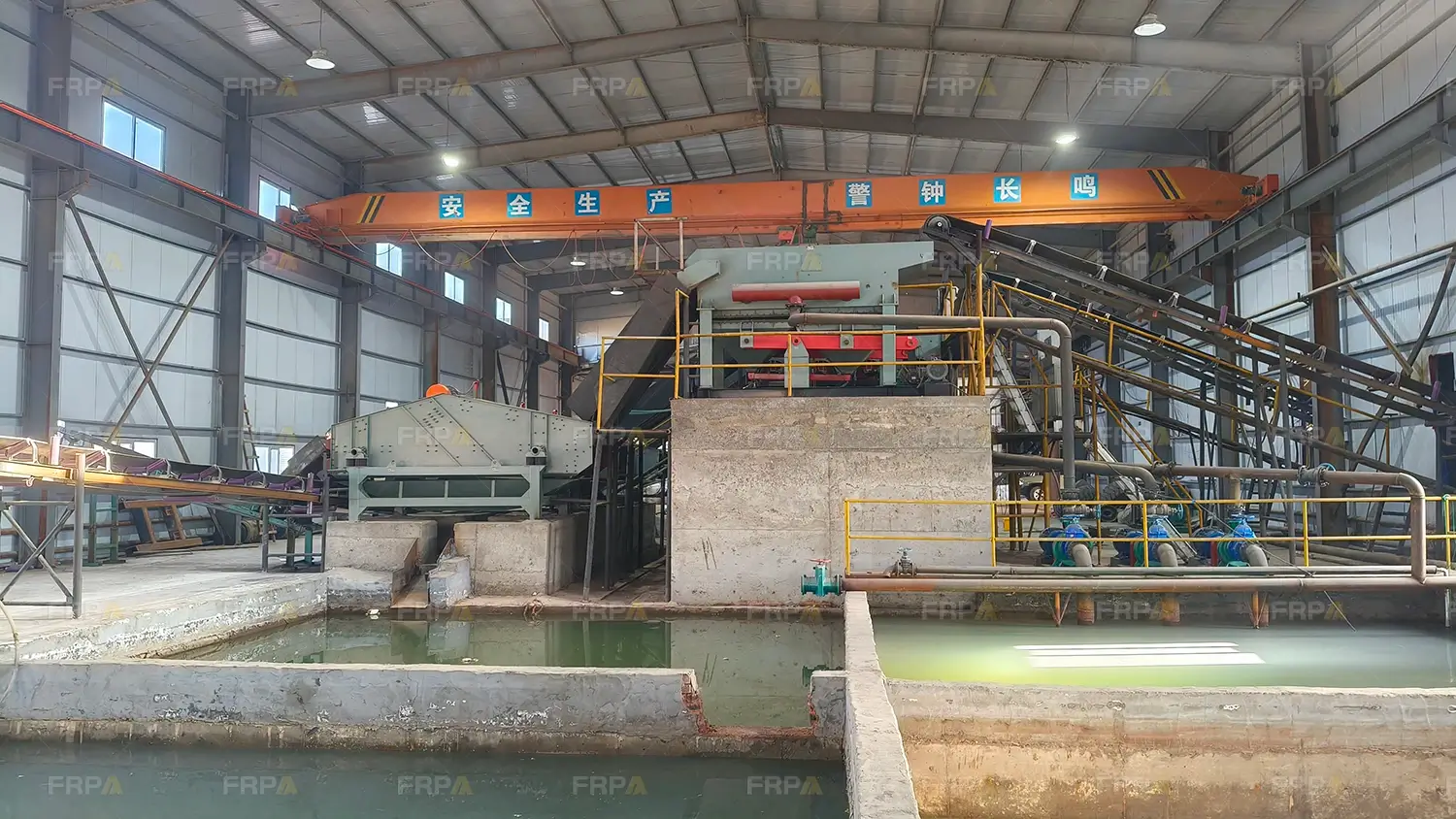
>50% Waste Rejected
The 600 TPD crushed ROM ore directly feeds into the jigging circuit, rejecting over 300 TPD of coarse waste rock before grinding. Skipping both comminution and chemical treatment, this clean waste features ideal sizing for immediate re-use as site construction materials, creating extra commercial value.
Flotation Load Reduced by Over 50%
Through jigging pre-concentration, the CaF₂ grade jumps from 10%–20% in raw ore to 30%–40% in the pre-concentrate. By halving the mass flow entering the downstream ball mill and flotation cells, the plant drastically cuts equipment footprint, energy consumption, and reagent dosages while ensuring smoother circuit operation.
Consistent 97%+ Acid-Grade Output
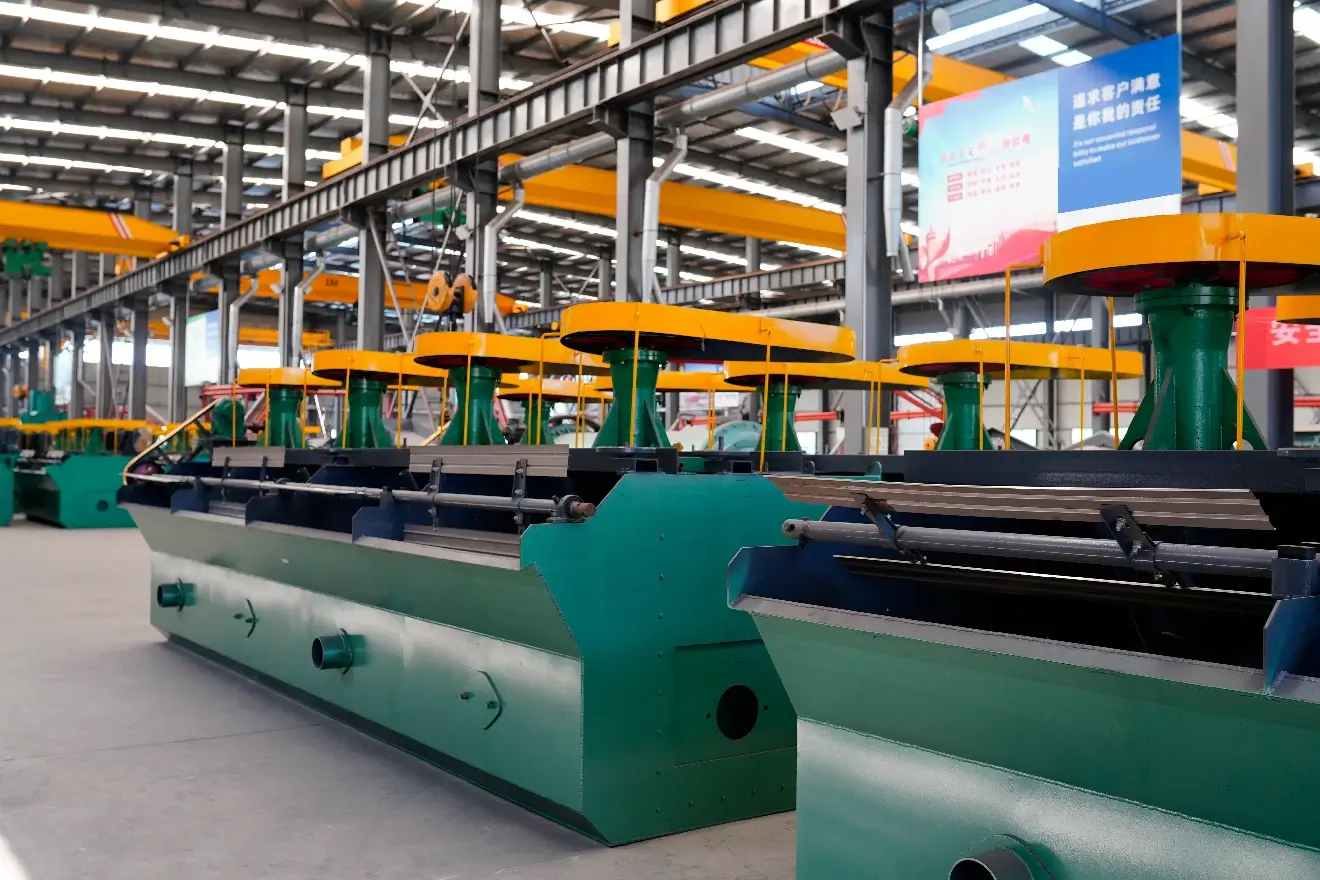
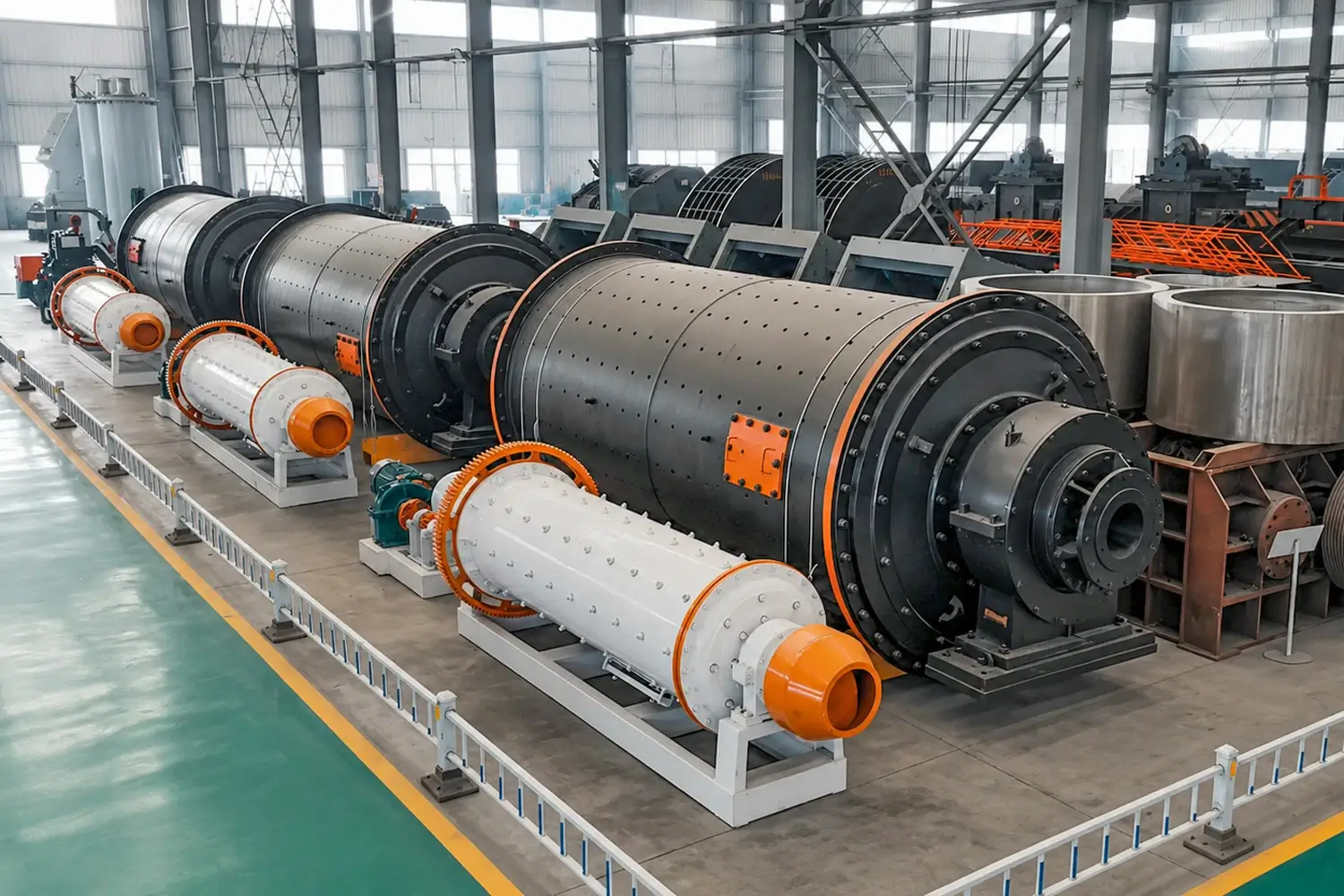
The enriched pre-concentrate is ground in a ball mill for fine liberation and purified through multi-stage flotation. The plant consistently achieves an acid-grade fluorspar concentrate of 97% CaF₂ with an overall recovery rate exceeding 82%, fully meeting stringent chemical-grade market standards.
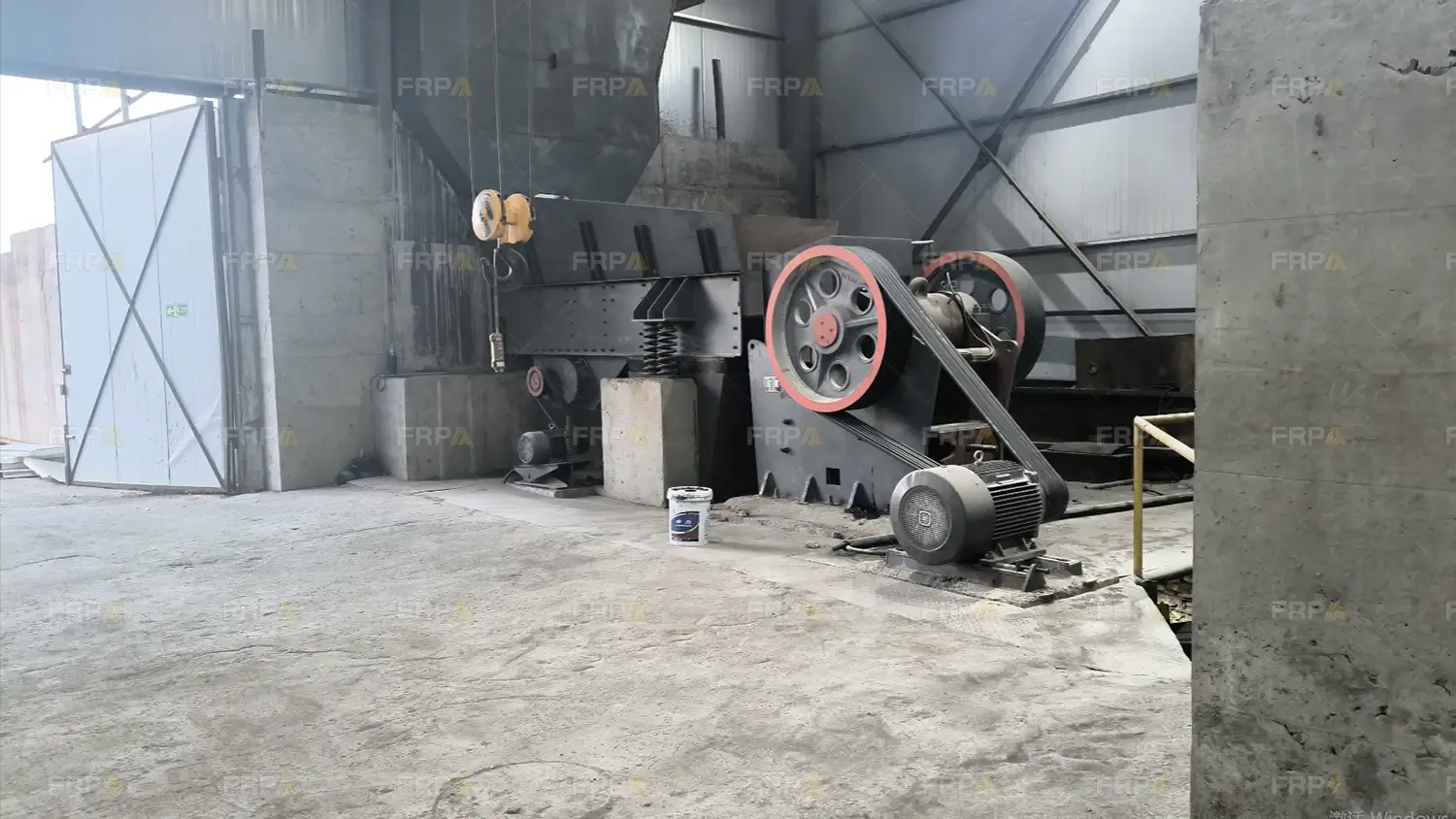
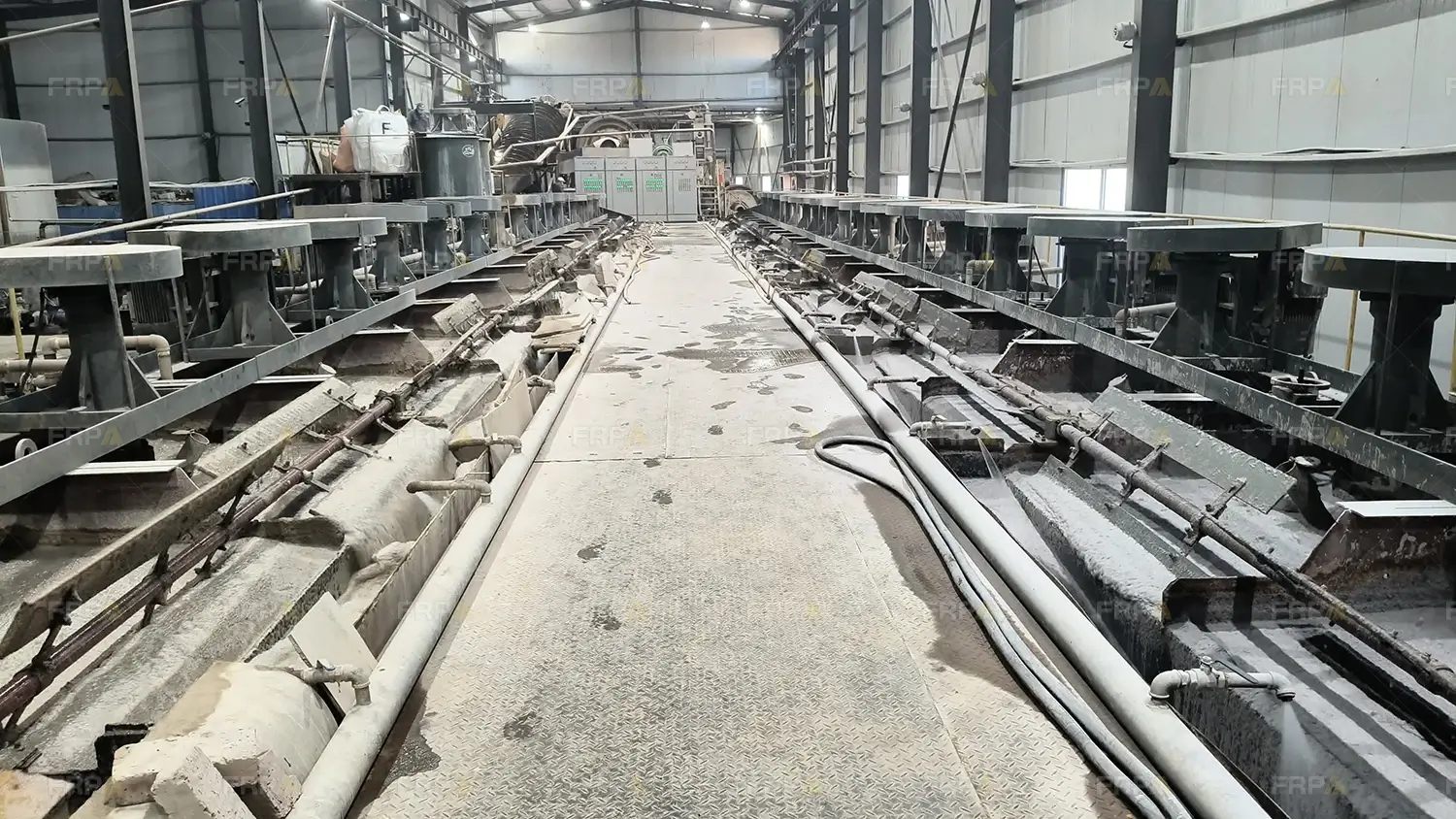
By eliminating over 50% of barren gangue upfront, the size and quantity of required downstream equipment—such as ball mills, flotation cells, and dewatering units—are cut by half. This dramatically reduces equipment acquisition costs, foundation footprints, and civil infrastructure investments.
Power & Wear Reduction: Halving the grinding throughput drastically slashes kWh consumption per ton of ore, while extending the operational lifespan of mill liners and grinding media (steel balls).
Reagent Efficiency: Upgrading the feed grade to 30%–40% CaF₂ lowers the specific consumption of collectors and depressants per ton of final concentrate, minimizing reagent costs and environmental compliance pressure.
Submit your fluorite assay report or send ore samples to our lab.
FRP engineers will design a customized processing solution for your project.
Have a question, need advice, or want to schedule an appointment? We're happy to assist with any inquiries you have about our equipment and system solutions.