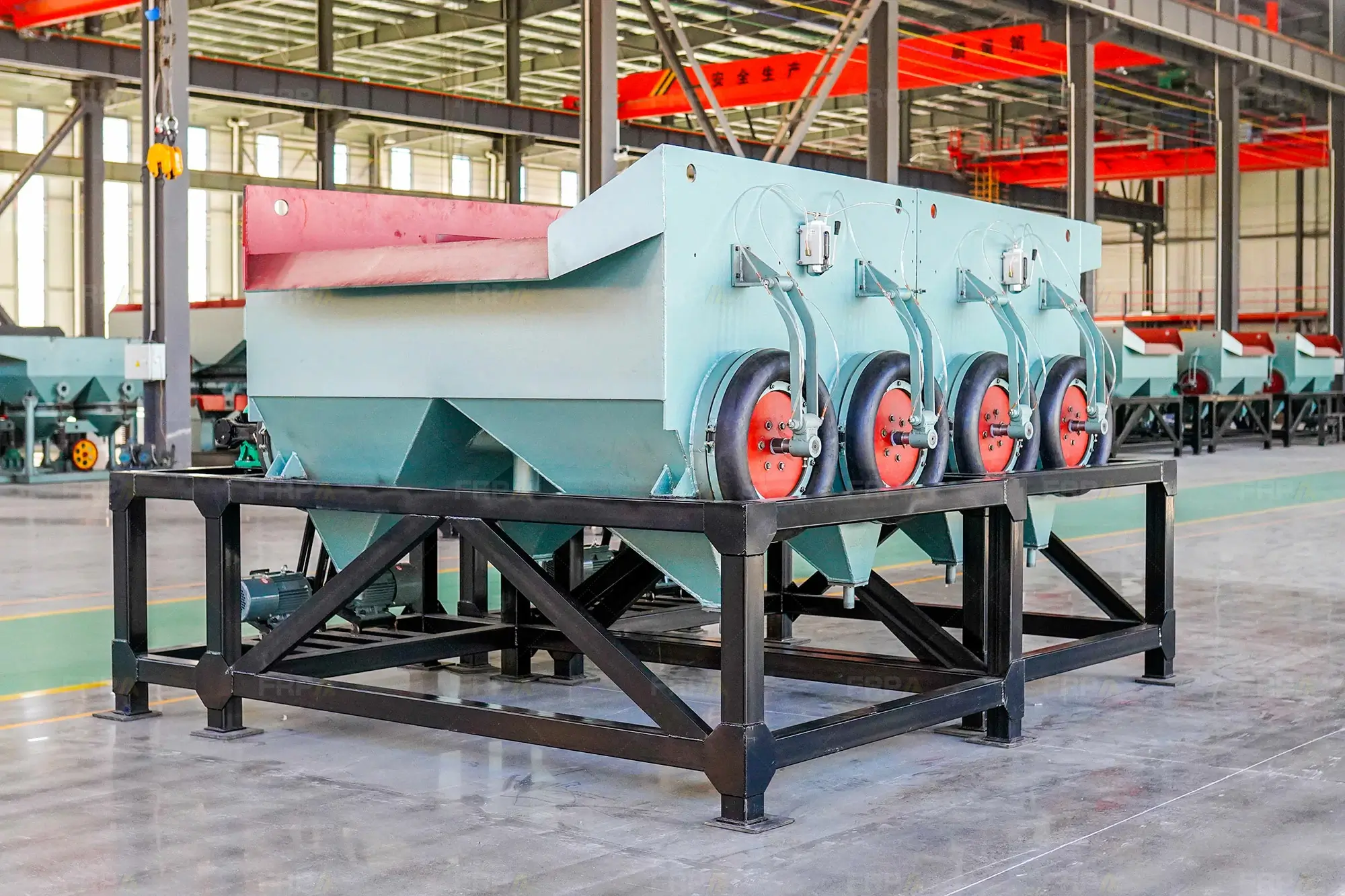





A log washer is a heavy-duty washing machine used to remove clay, mud balls, and other impurities from ores and aggregates.
Its washing performance directly affects product cleanliness and the stability of subsequent screening and beneficiation processes.
By properly adjusting operating parameters, controlling water flow and slope, and maintaining the machine regularly, you can significantly improve washing efficiency while reducing energy consumption and downtime.
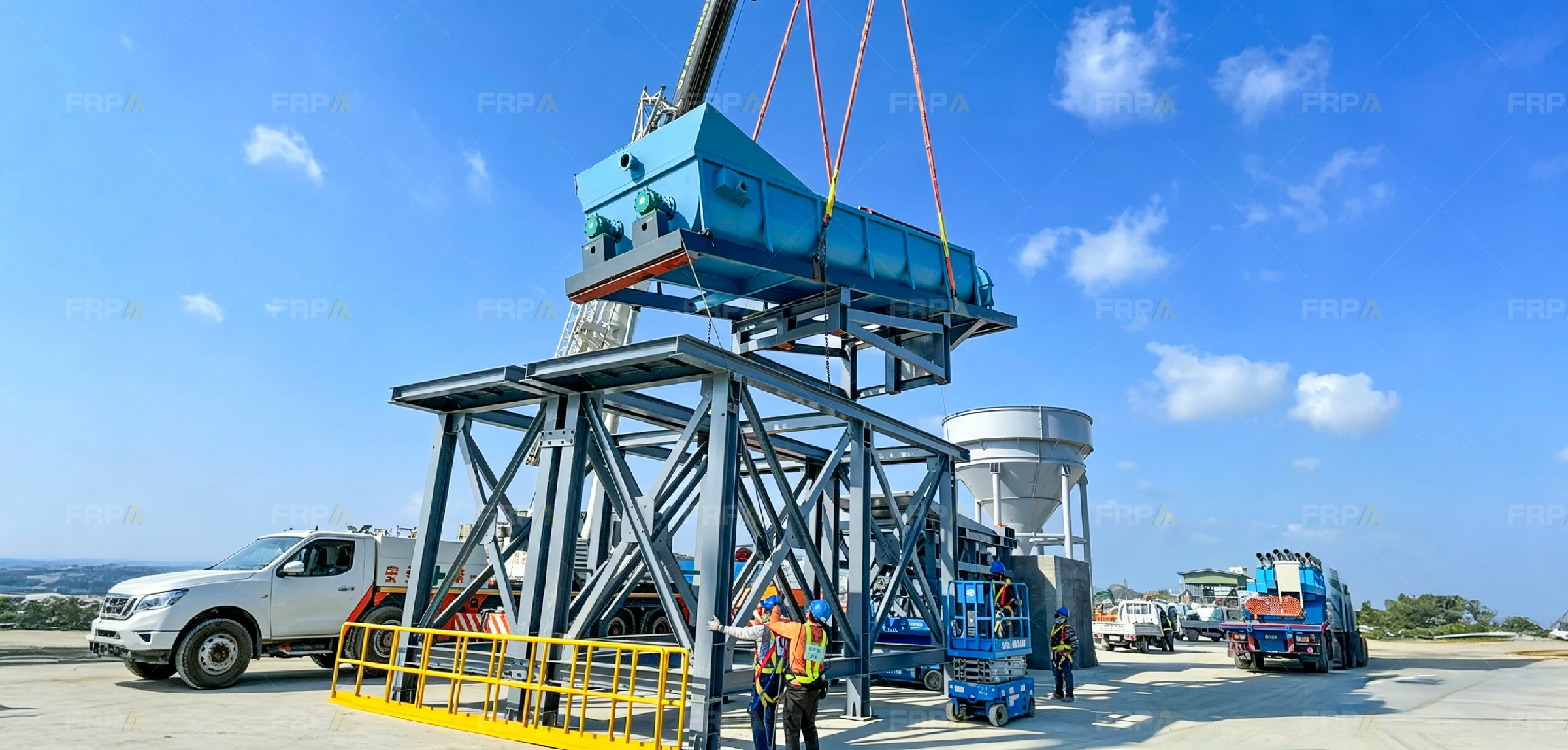
A log washer consists of two counter-rotating shafts equipped with high manganese steel paddles. The paddles break up clay lumps and remove sticky coatings through the combined action of friction and water flow.
Shaft speed has a significant impact on washing performance:
Practical tips:
Run shafts at a moderate and stable speed, allowing material to move through the tank in a continuous scrubbing motion. Monitor motor load closely during operation and keep power within the rated range to prevent prolonged overloading.
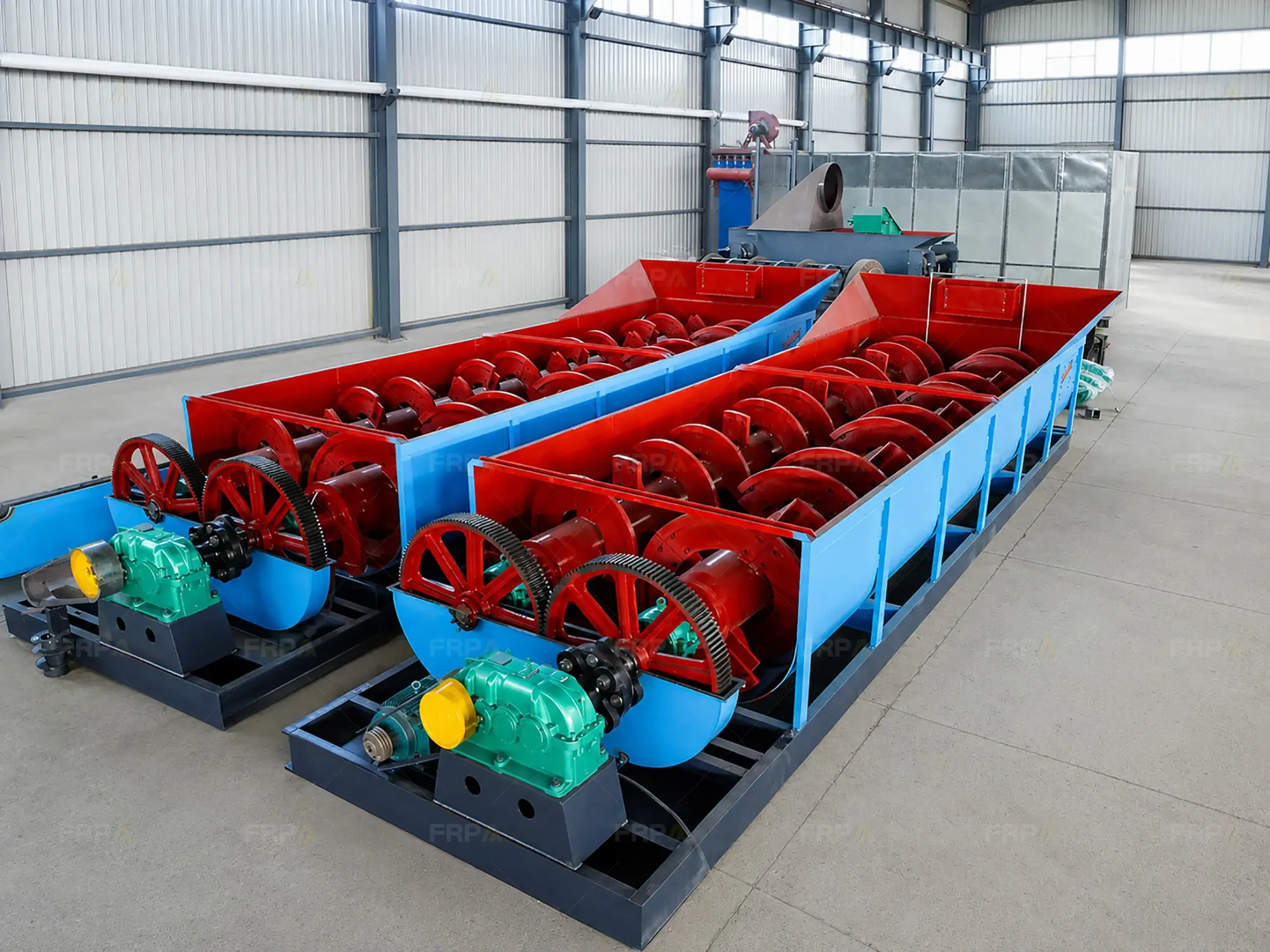
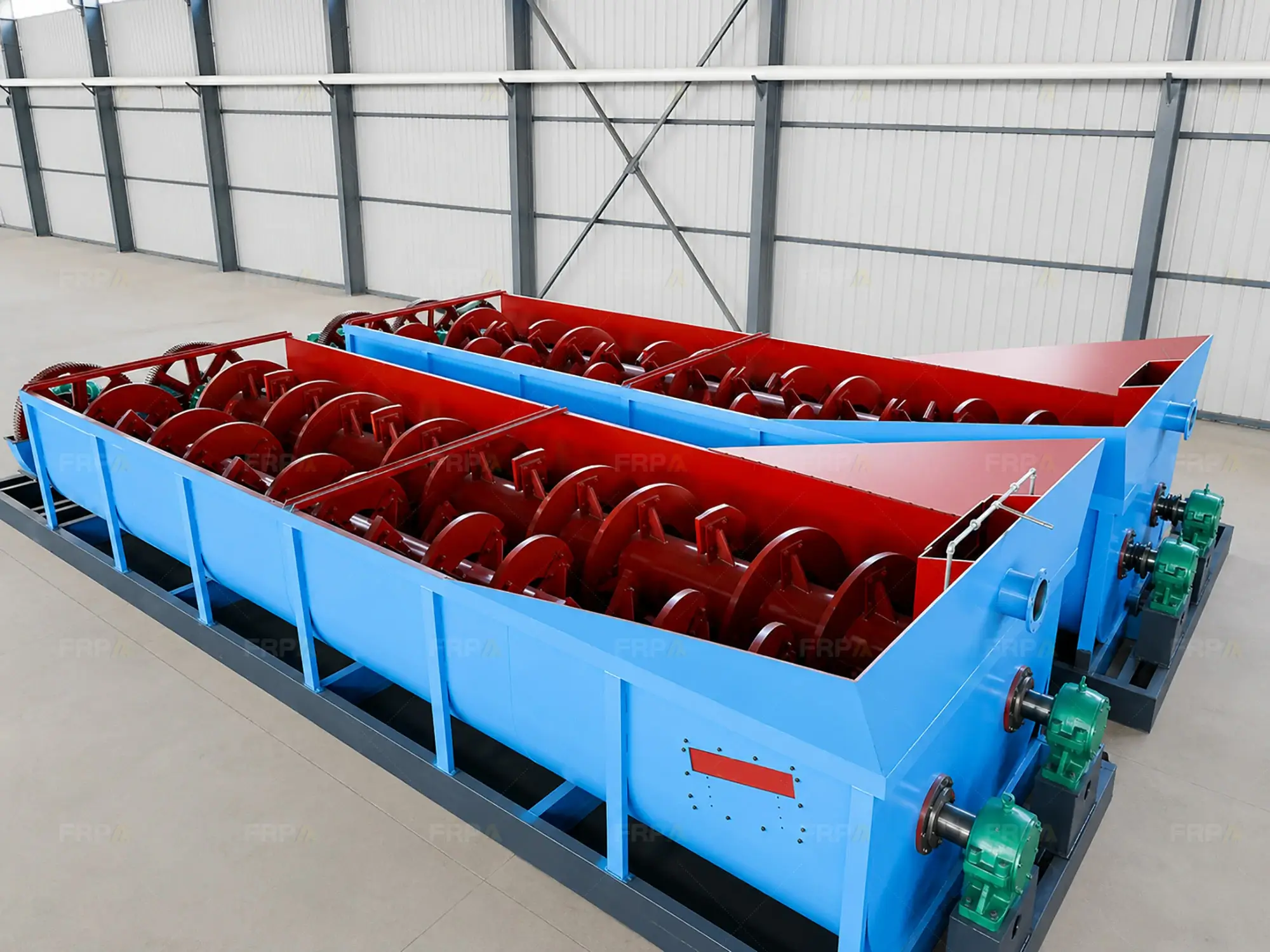
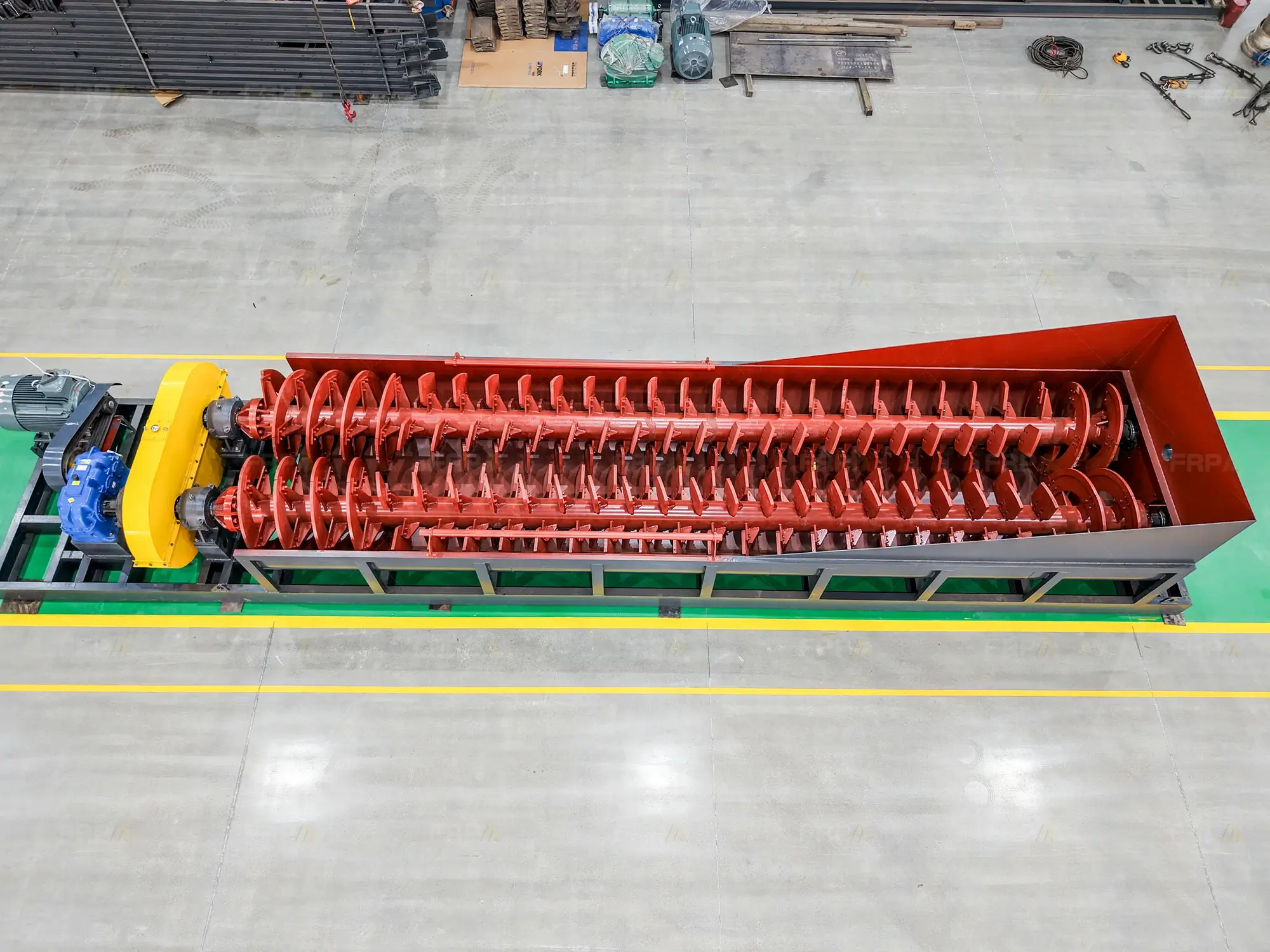
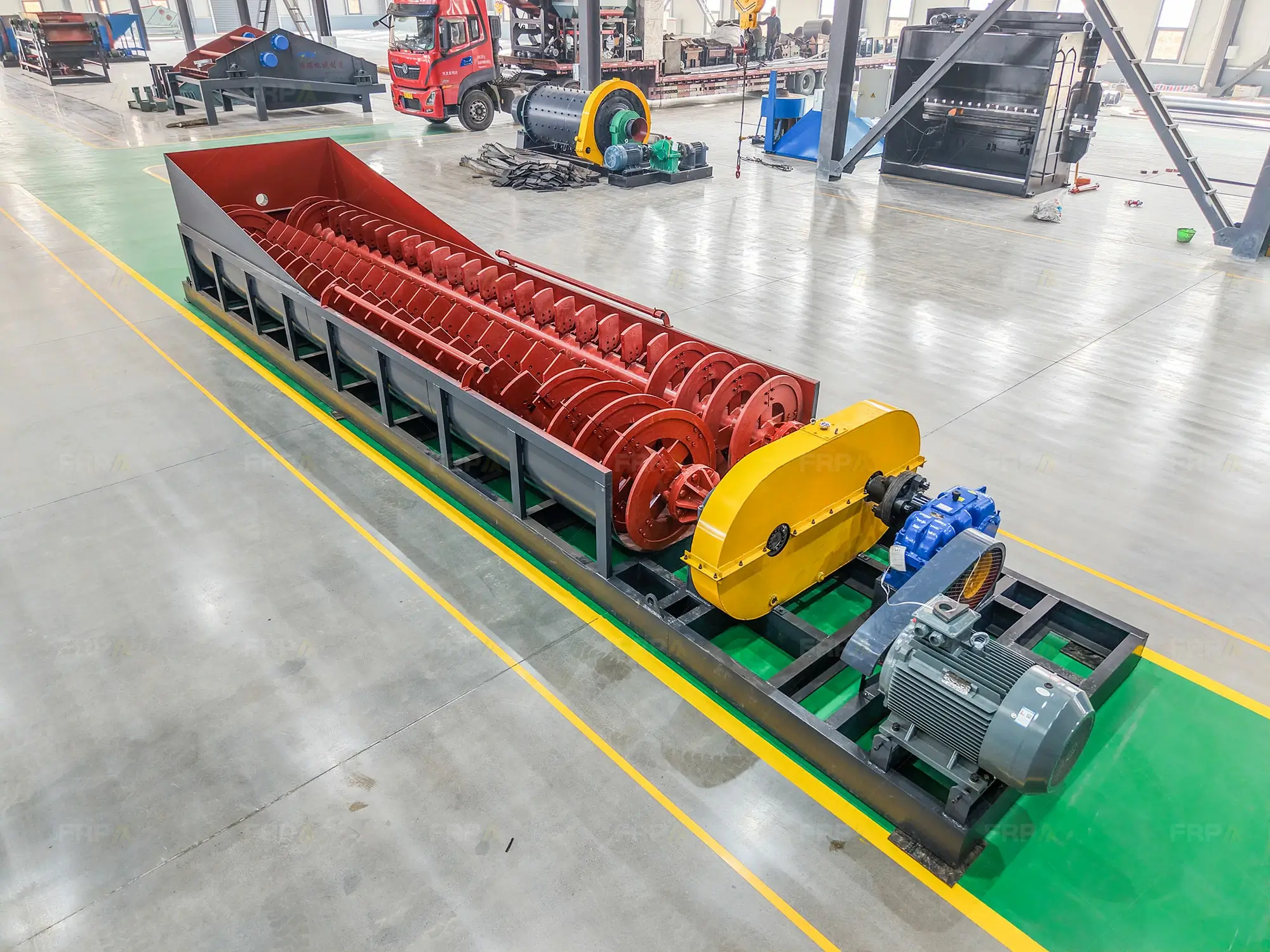
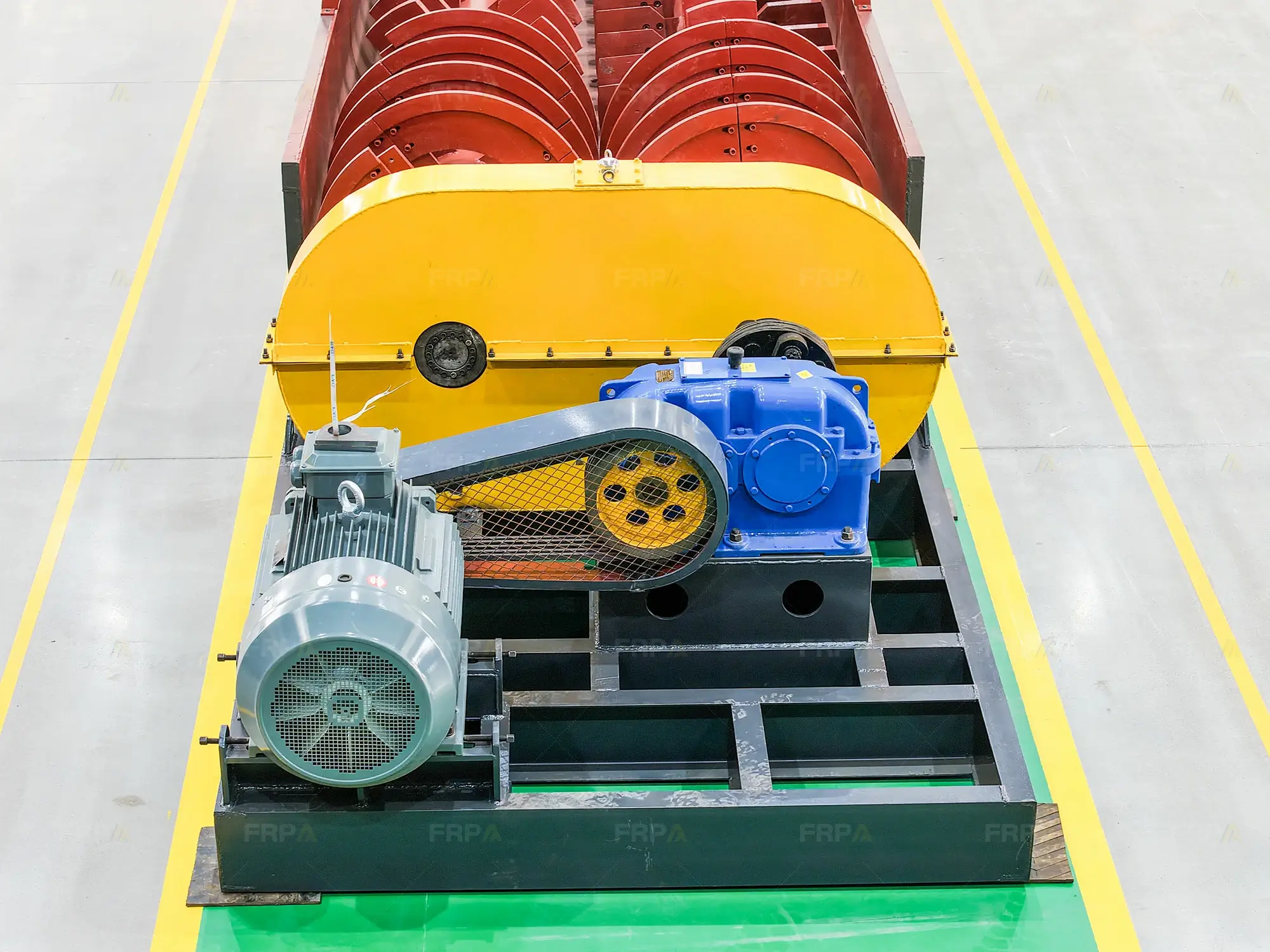
Log Washer Designs and Typical Applications
Water flow is one of the most important factors affecting washing performance. Spray water not only rinses the material but also creates a countercurrent that carries fine mud and impurities away.
Troubleshooting guide:
Key principles:
Maintain a stable, even water flow. Low pressure leaves fine mud unremoved, while excessive pressure wastes water and carries useful particles away. Spray water should form a steady counterflow in the tank, allowing material to tumble in water for thorough, even cleaning.
Feed should be continuous and stable — this is essential for smooth operation.
Recommended solution:
Install a pre-screening unit before the washer to remove particles outside the desired size range. This keeps the feed more uniform and consistent, ensuring steady, efficient washing performance.
Stable performance depends on proper maintenance.
Paddles gradually wear down during operation. Worn paddles reduce scrubbing strength and washing efficiency. Regular maintenance restores scrubbing performance, extends service life, and minimizes unexpected downtime.
The washing efficiency of a log washer depends on multiple interacting factors. To achieve optimal performance:
When shaft speed, water pressure, feed rate, and slope are properly balanced and the equipment runs smoothly, the log washer can achieve efficient clay removal and ideal cleaning performance with low energy consumption.
FRP designs and manufactures Log Washers for global mining projects.
Have a question, need advice, or want to schedule an appointment? We're happy to assist with any inquiries you have about our equipment and system solutions.