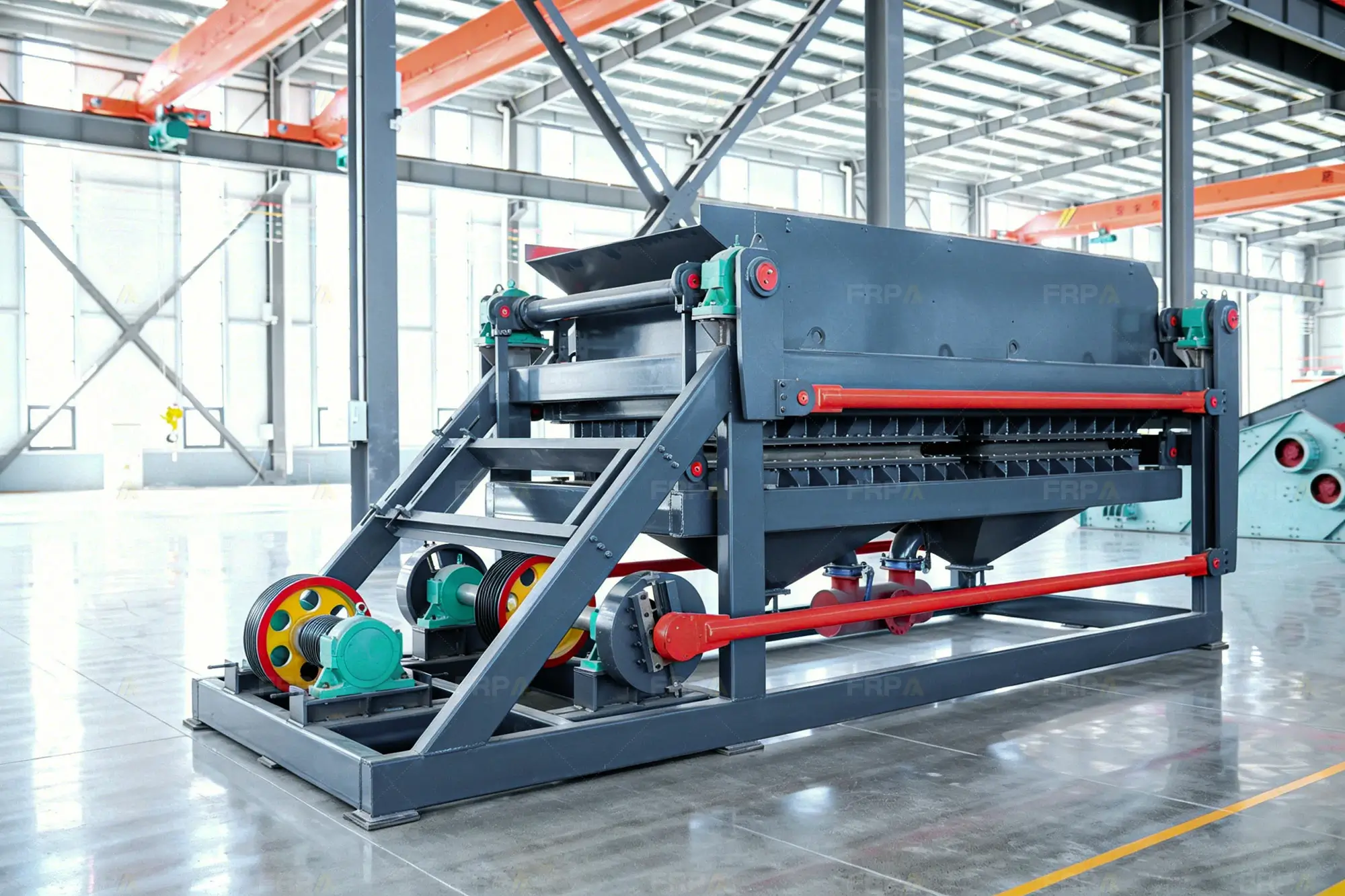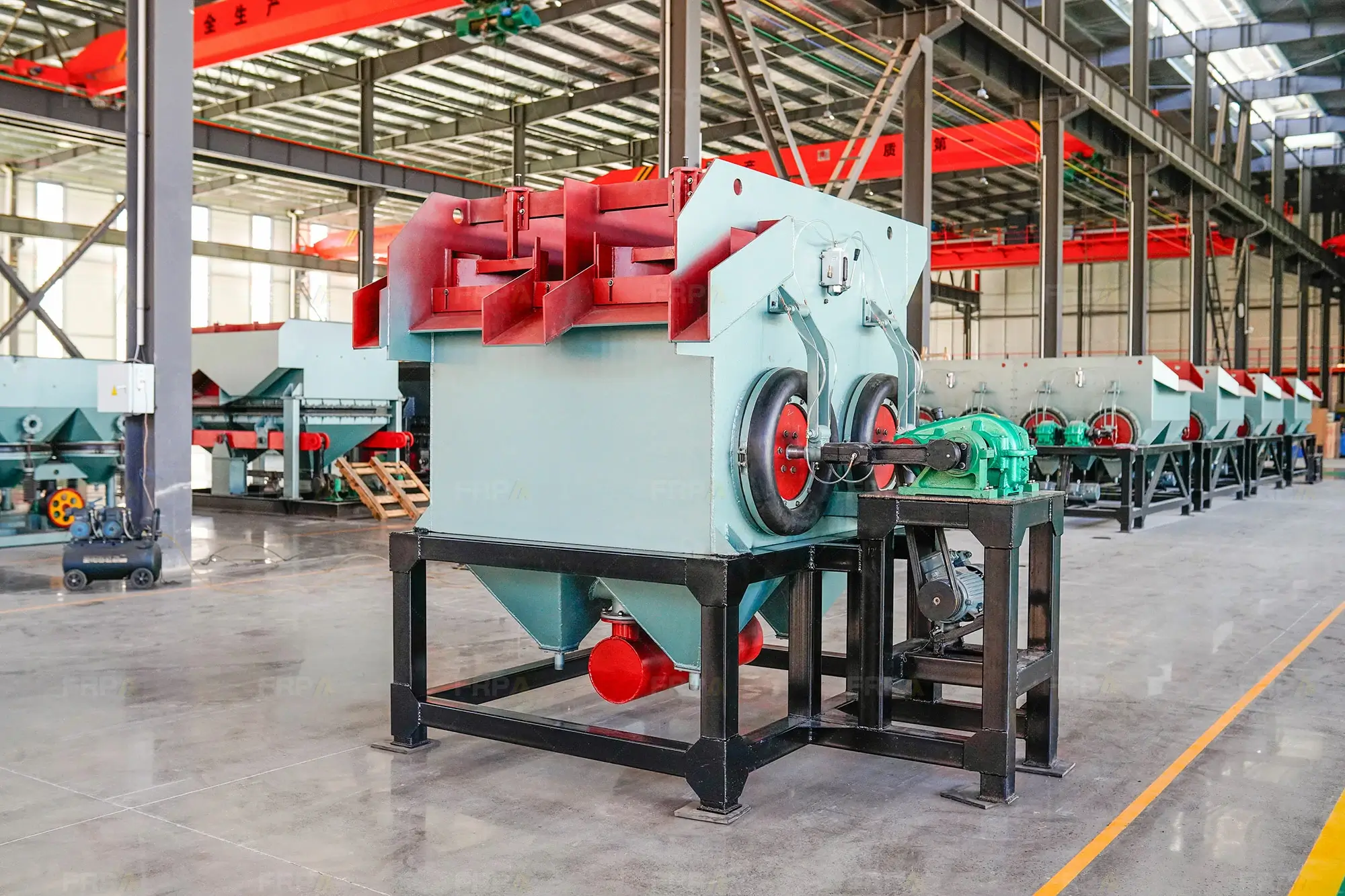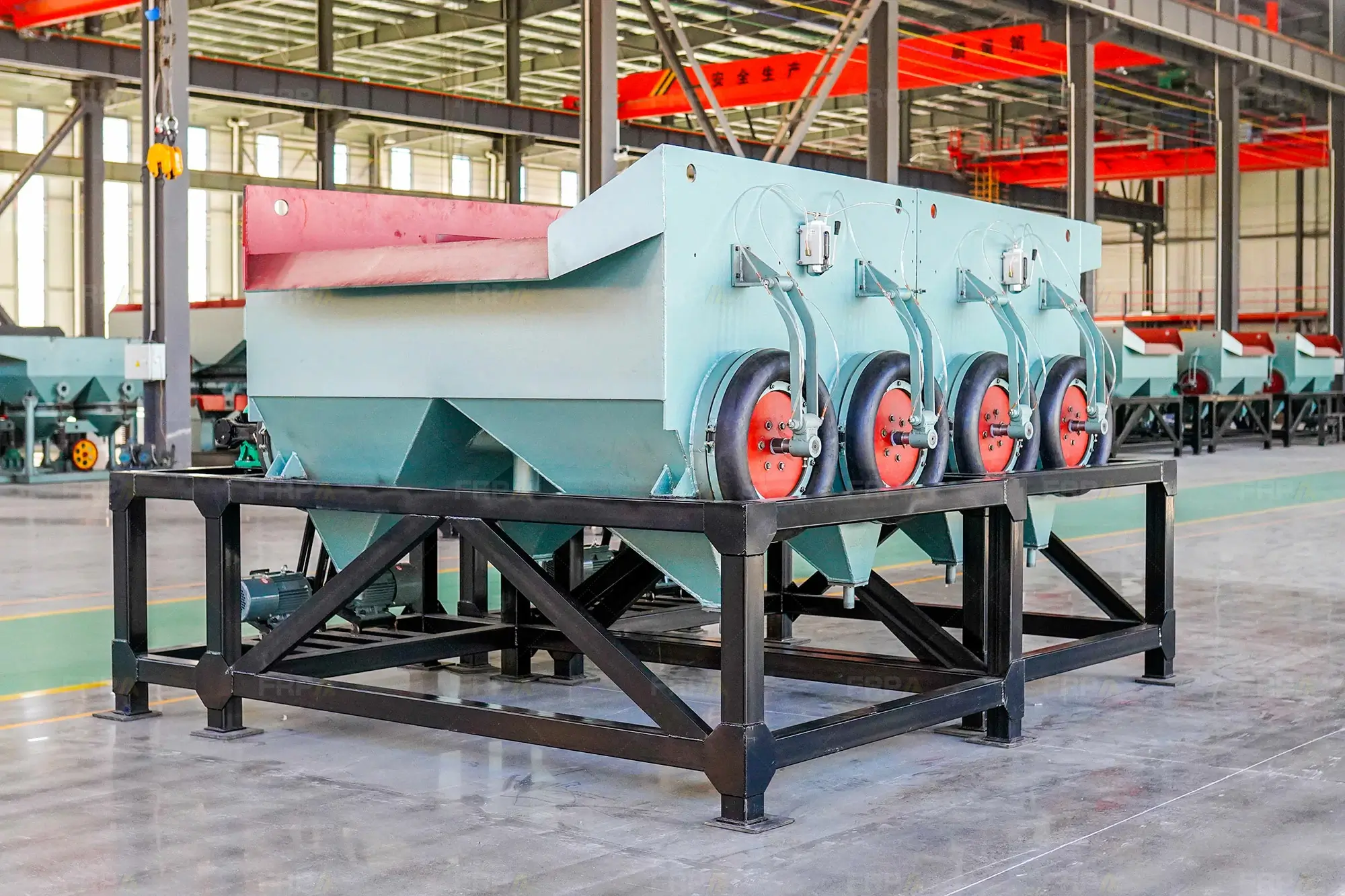





LTA jig concentrators are widely used for the continuous gravity separation of fine and medium-sized minerals, including alluvial gold, tin, tungsten, and other materials with significant density differences.
While coarse-particle jigs are designed to generate strong bed dilation for large mineral particles, the LTA series utilizes a pulsation system optimized for the stable stratification of fine and medium-sized particles. This allows valuable minerals to separate more effectively within smaller particle size ranges while maintaining stable bed conditions during continuous operation.
The compact structure, small installation footprint, and straightforward maintenance requirements further enhance its practicality in small and medium-scale beneficiation plants, pilot operations, and mobile gravity recovery systems.
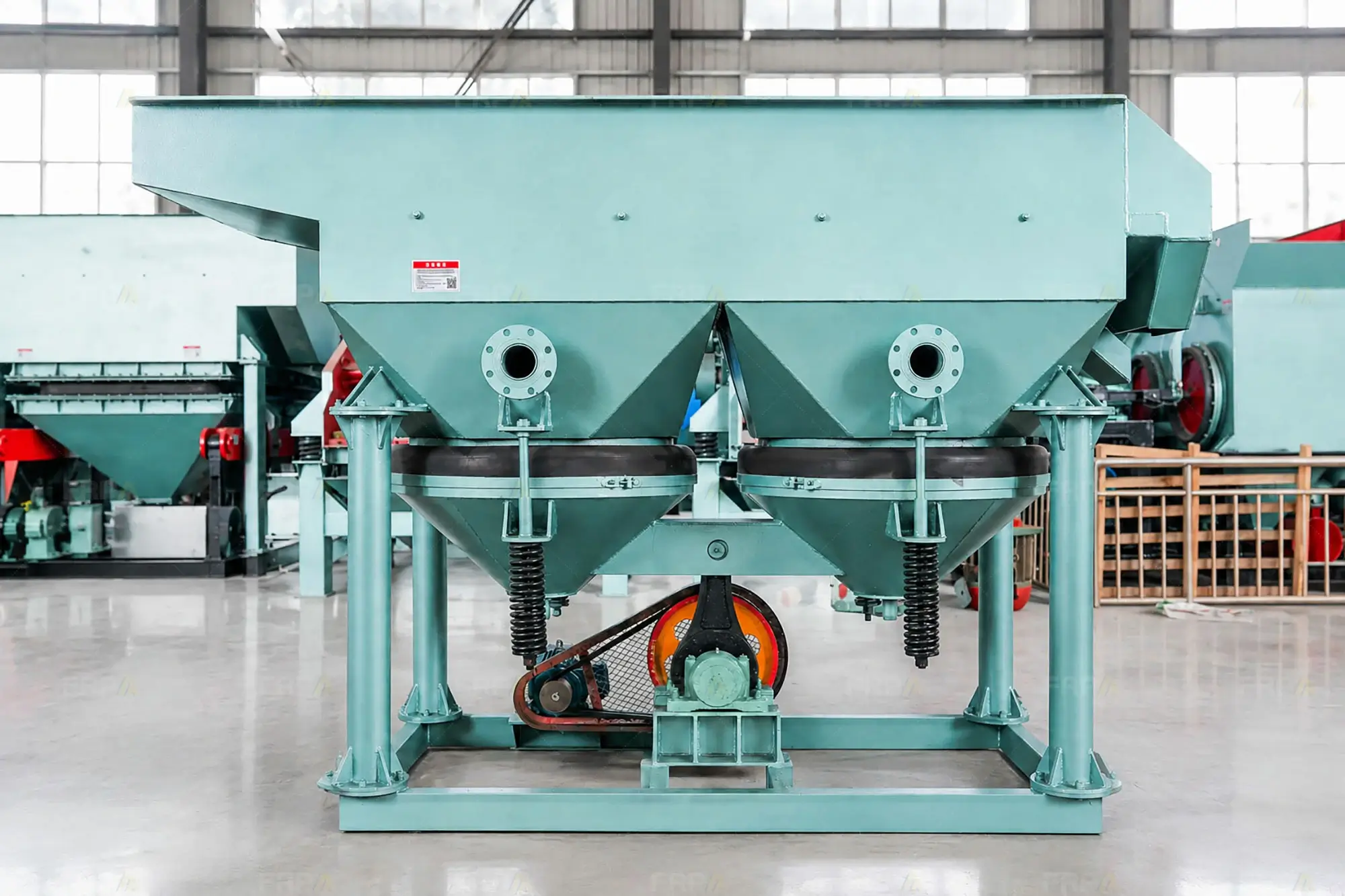
Widely used in alluvial gold and alluvial tin processing plants for the recovery of free gold, cassiterite, and other heavy minerals. The stable pulsation system is particularly suitable for continuous separation of fine and medium-sized particles commonly found in placer deposits.
Suitable for the gravity separation of tungsten, tin, iron, manganese, and other metallic ores with significant density differences. It is commonly used as a roughing or pre-concentration unit to upgrade feed before further beneficiation stages.
With its compact structure and moderate capacity, the LTA series is widely applied in small and medium-scale mineral processing projects. The machine offers reliable operation and straightforward maintenance for continuous gravity separation duties.
Frequently used in pilot plants, metallurgical testing programs, and process verification projects to evaluate gravity separation performance. Stable operation and flexible parameter adjustment make it suitable for process development and scale-up studies.
Can be used to recover residual heavy minerals from gravity or flotation tailings, helping improve overall resource utilization. It provides an effective solution for recovering valuable minerals that would otherwise be lost to tailings disposal.
The compact footprint and simple installation requirements allow the LTA series to be integrated into mobile and modular processing systems. It is particularly suitable for remote mining locations, temporary operations, and rapidly deployed recovery projects.
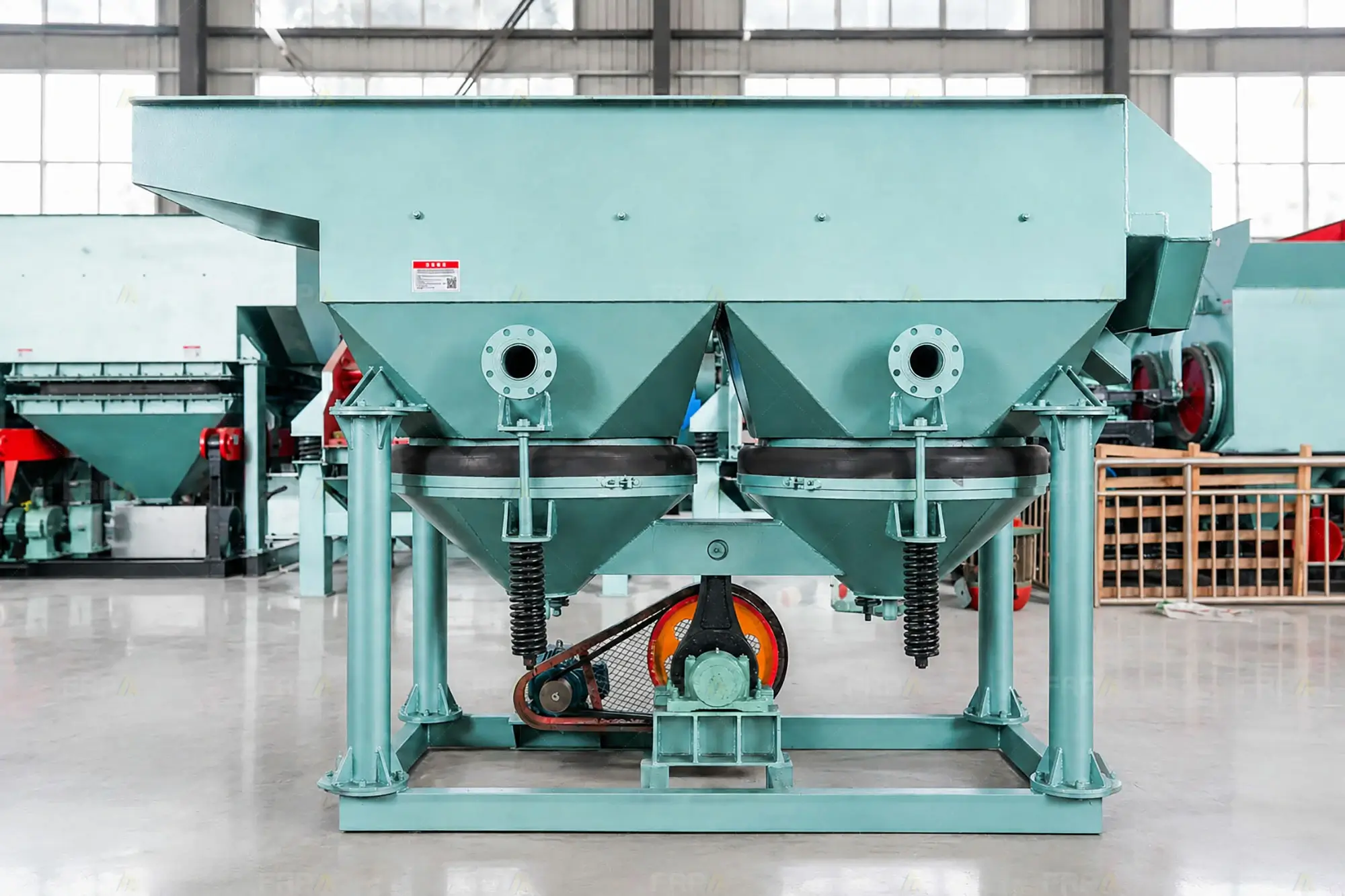
The LTA series jig concentrator generates periodic pulsating water flow through a mechanical drive system. By adjusting the eccentric shaft displacement and motor speed, operators can regulate both stroke length and pulsation frequency to suit different mineral characteristics and particle size ranges.
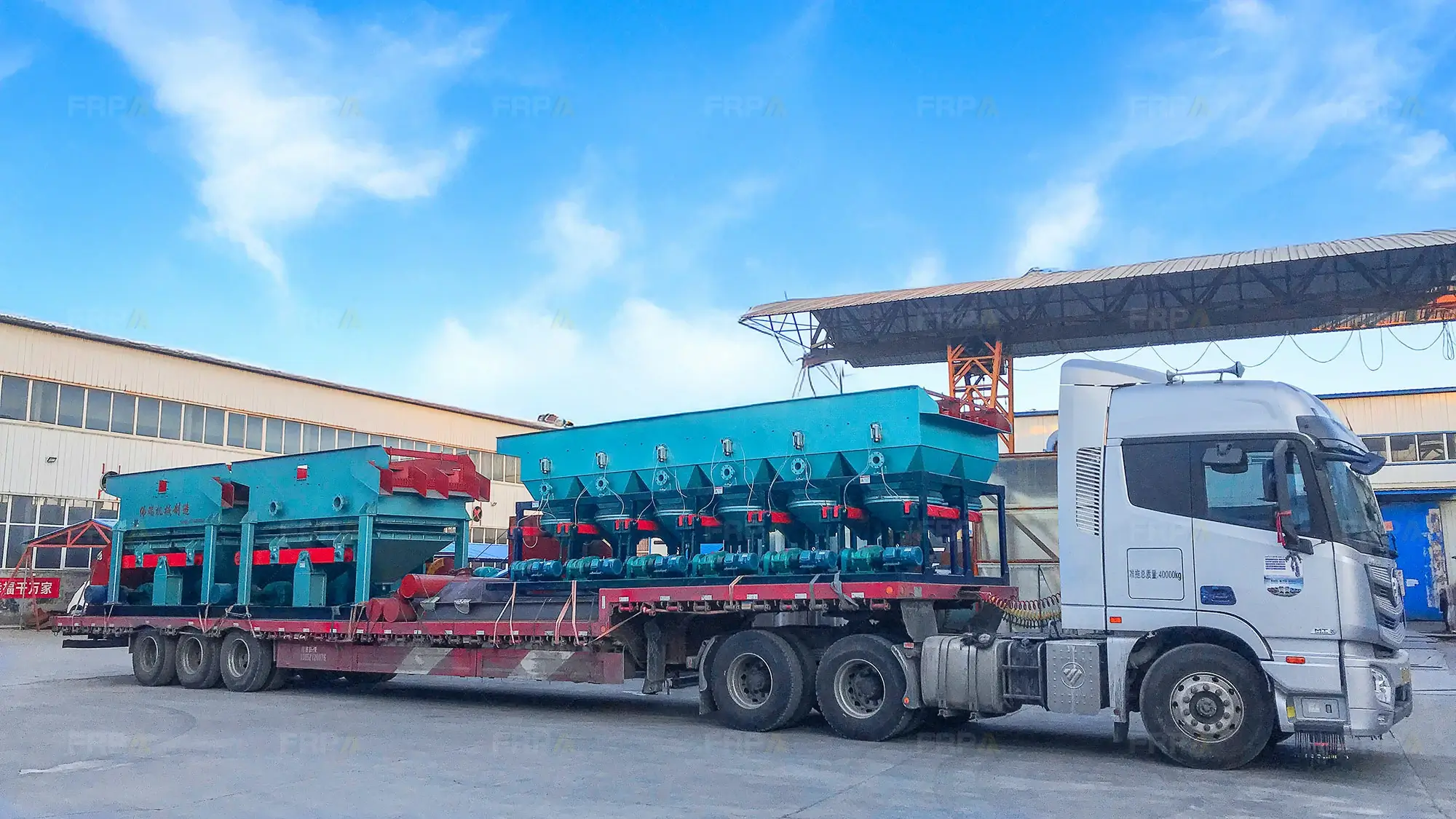
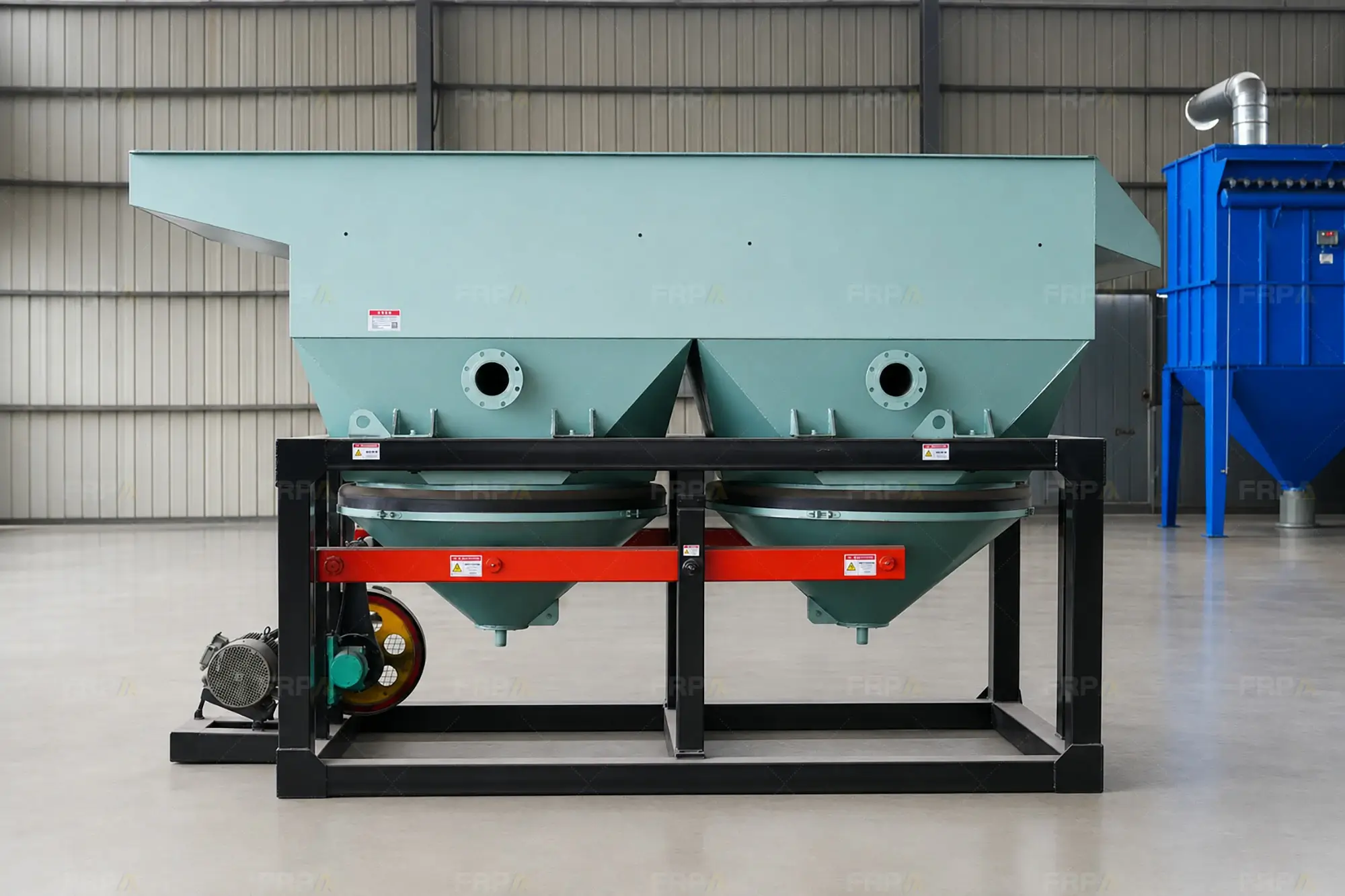
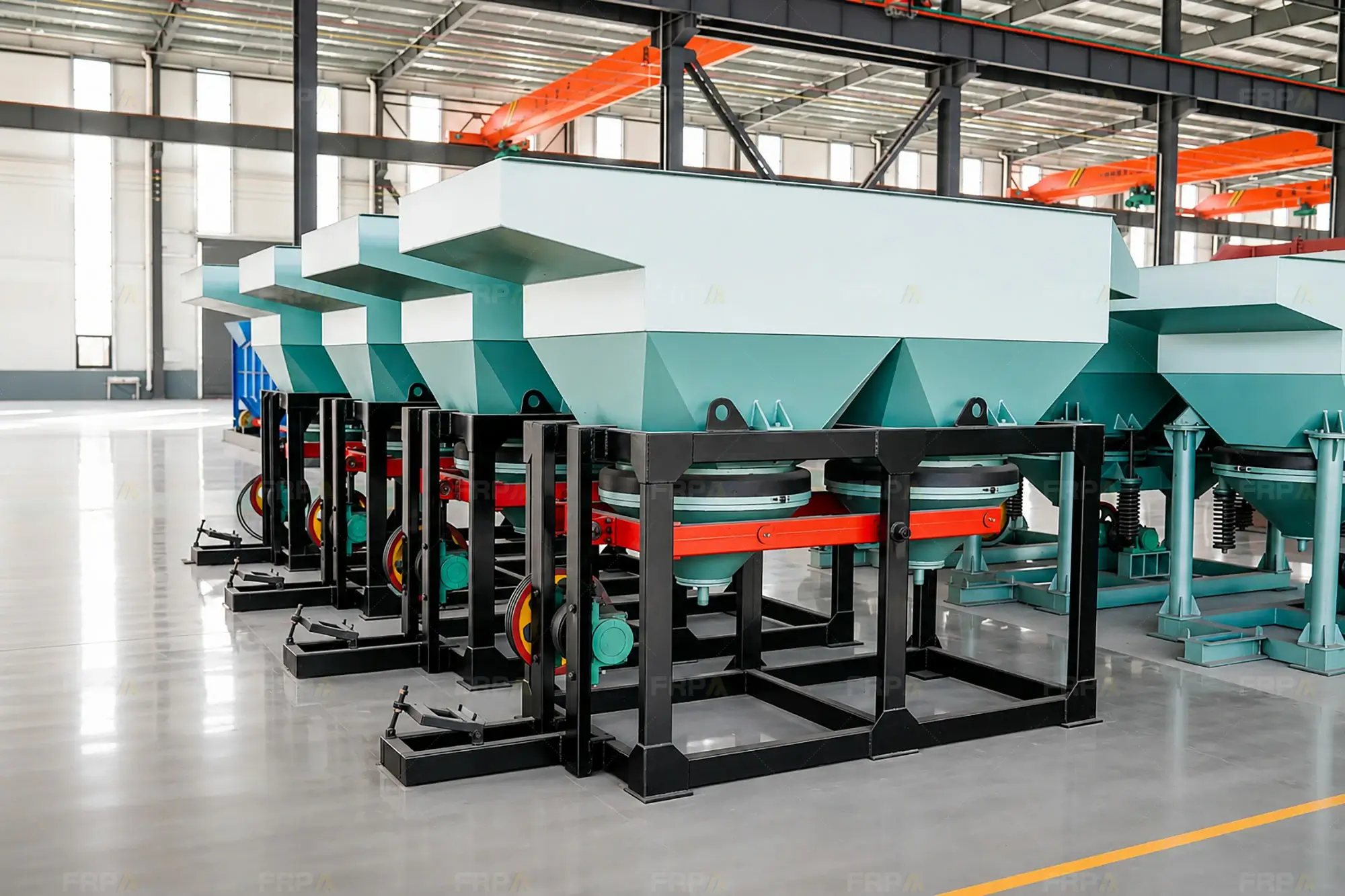
To meet different processing capacities and plant layouts, the LTA series is available in multiple configurations, including single-cell, double-cell, single-row three-cell, and double-row six-cell models. This flexible design allows the equipment to be adapted to laboratory testing, small-scale beneficiation plants, and larger continuous processing operations while maintaining the same separation principle and operating characteristics.
FAQ for LTA jig concentrator
We don't just deliver machines — we deliver assurance.
From installation to long-term service, we're by your side with ongoing support to keep your equipment running at its best.
| Model | Number of Chamber | Feed Size (mm) | Stroke (mm) | Stroke Frequency (r/min) | Capacity (t/h) | Power (kW) |
|---|---|---|---|---|---|---|
| LTA55/2 | 2 | 0-5 | 0-25 | 0-350 | 3-5 | 1.5 |
| LTA55/3 | 3 | 0-5 | 0-25 | 0-350 | 3-5 | 2.2 |
| LTA1010/2 | 2 | 0-8 | 0-25 | 0-350 | 8-10 | 3 |
| LTA1010/3 | 3 | 0-8 | 0-25 | 0-350 | 8-10 | 5.5 |
| LTA1010/6 | 6 | 0-8 | 0-25 | 0-350 | 10-20 | 7.5 |
| LTA1515/2 | 2 | 0-10 | 0-50 | 0-300 | 20-25 | 7.5 |
| LTA1515/3 | 3 | 0-10 | 0-50 | 0-300 | 20-30 | 11 |
| LTA1515/6 | 6 | 0-10 | 0-50 | 0-300 | 40-60 | 18.5 |
Note: Specifications are subject to change without notice due to ongoing product improvement.
Have a question, need advice, or want to schedule an appointment? We're happy to assist with any inquiries you have about our equipment and system solutions.