
Phone/Whatsapp: +86 15515592672

mineral separator

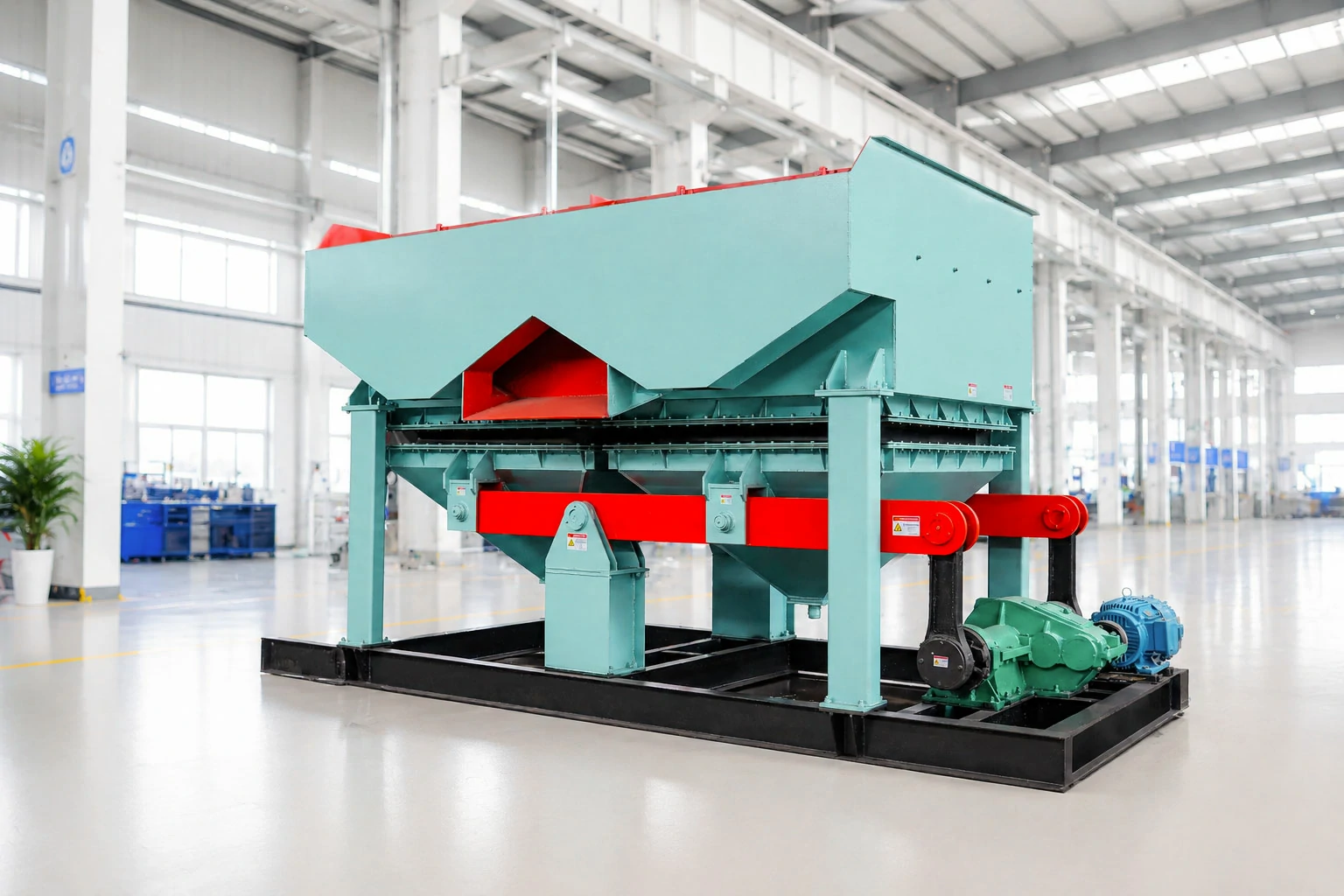
LTC6109/8T Trapezoidal Jig Concentrator

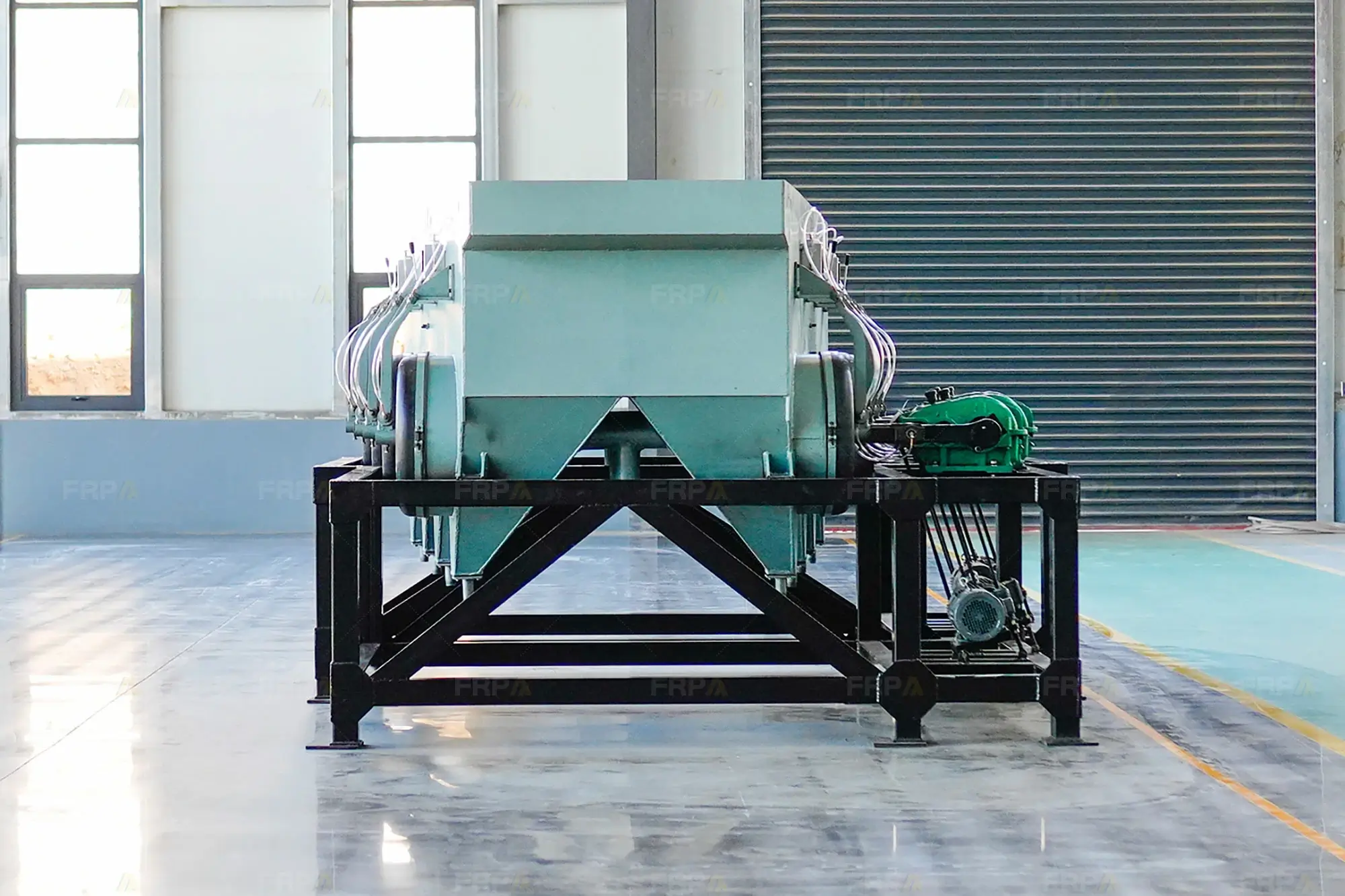
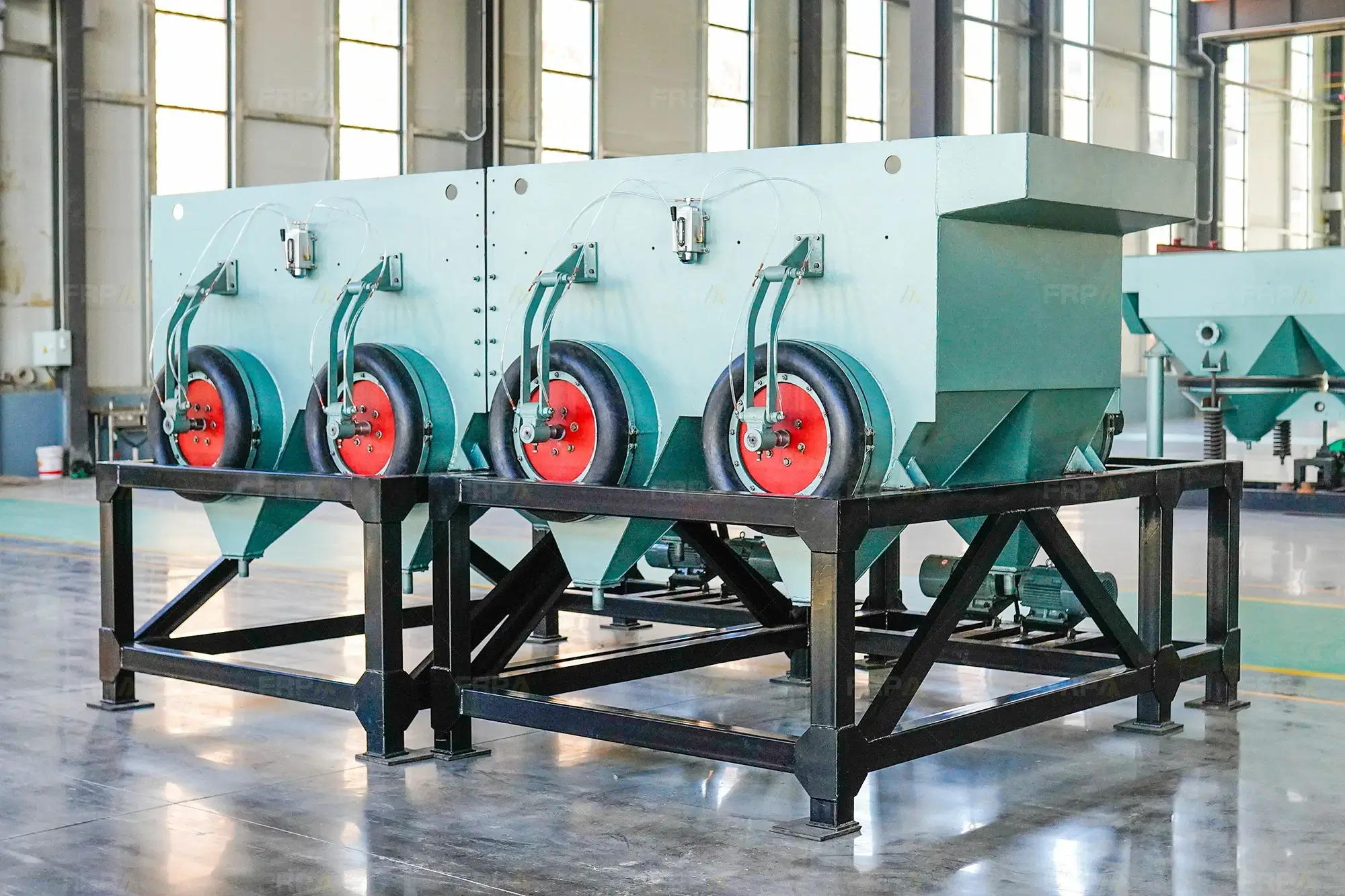
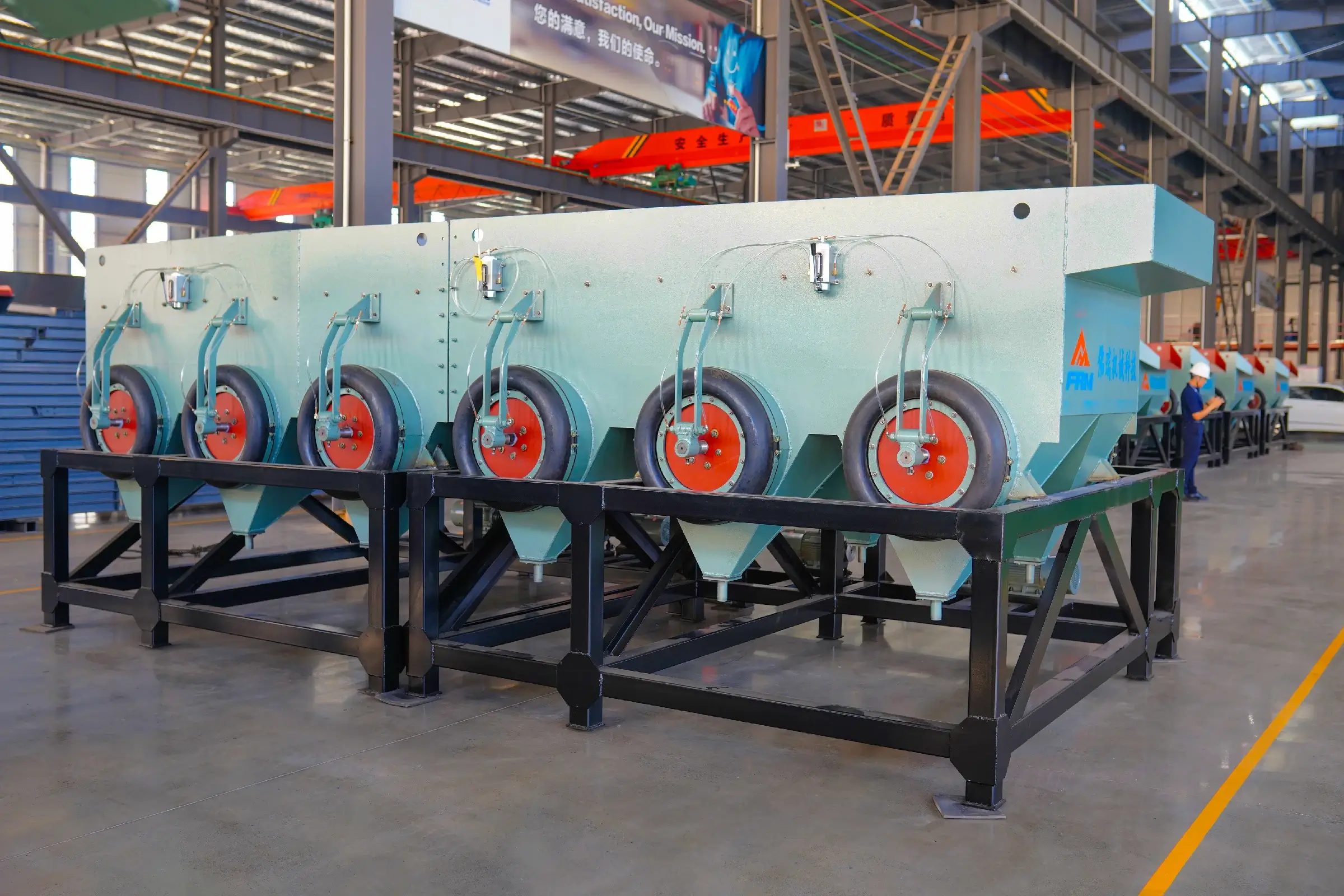
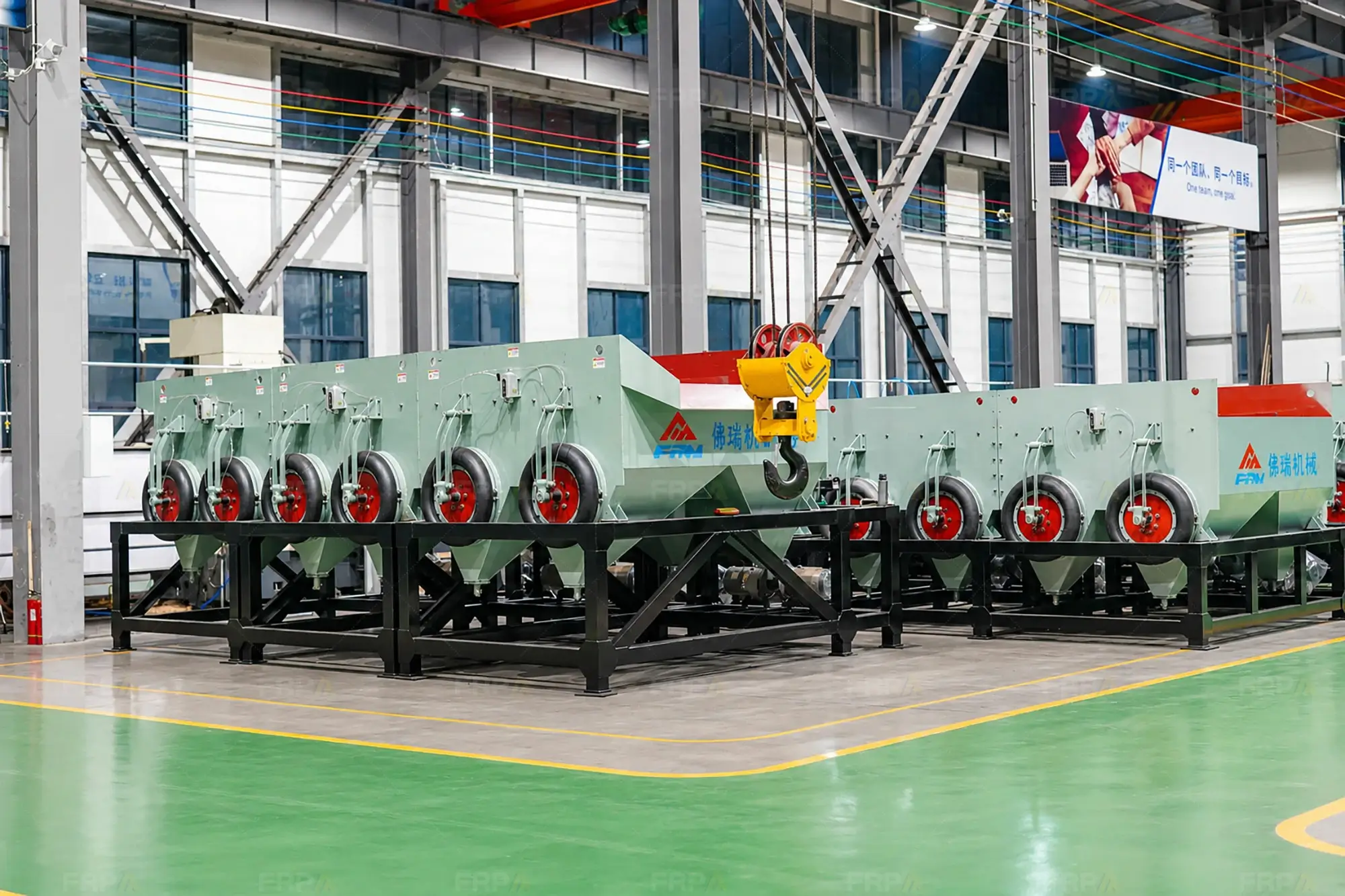
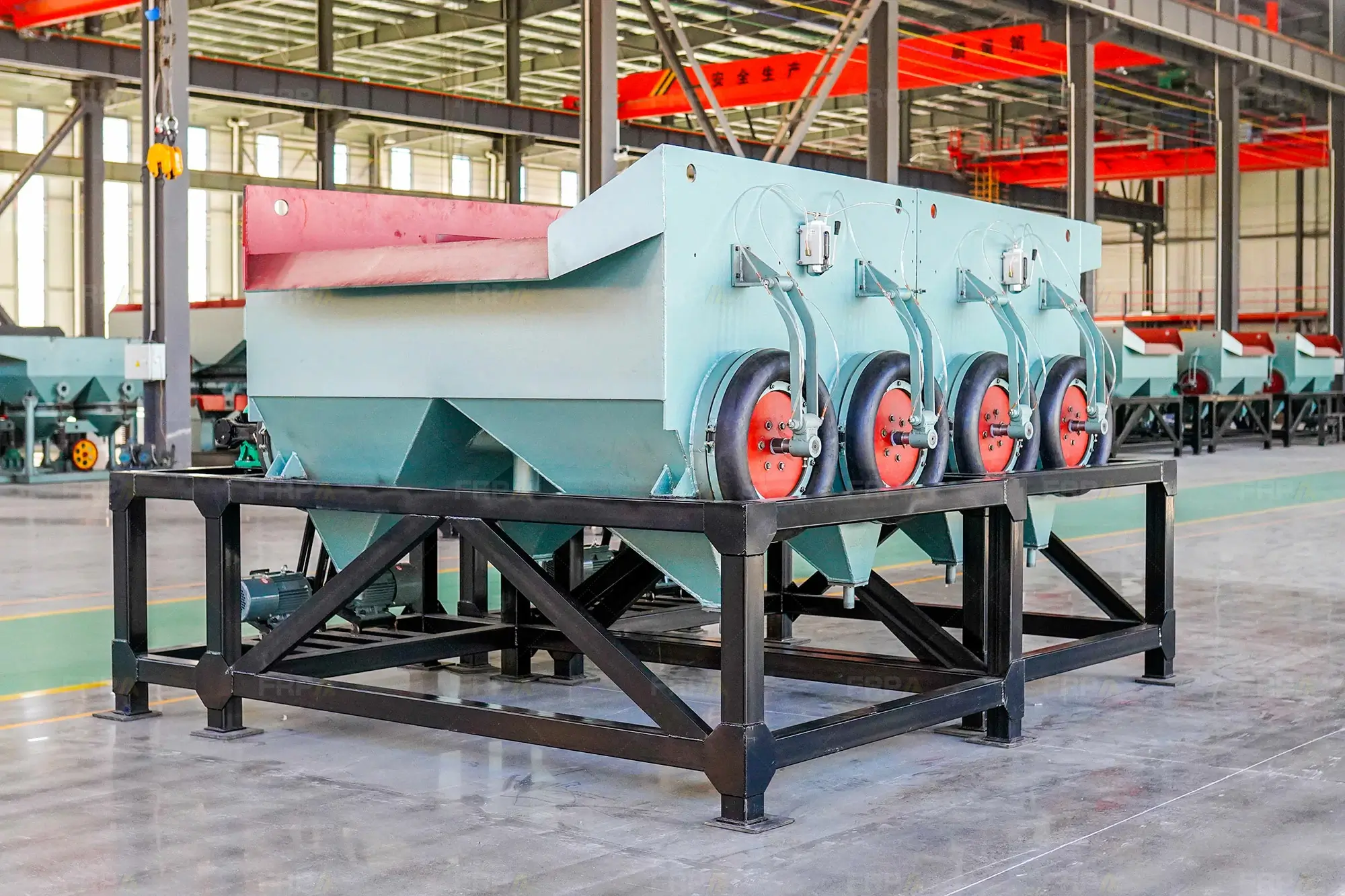
The 2LTC6109/8T trapezoidal jig concentrator is one of FRP’s most mature and best-proven models in the field of gravity separation.

The equipment combines a trapezoidal tank structure with a zoned jigging system. Compared with conventional rectangular jigs, it maintains a more stable bed condition and a sharper separation interface when processing medium and fine particles, raw ores with wide size distribution, and complex polymetallic ores.

The unit accepts feed in the 0.2–10 mm size range and offers a single-unit capacity of 25–40 t/h. FRP currently commissions more than 300 units of the 6109 series jigs worldwide every year, serving long-term applications in mineral processing plants, metal recovery from smelting slag, and other secondary material recovery projects.

LTC6109/8T Trapezoidal Jig Concentrator

Key Benefits / Advantages

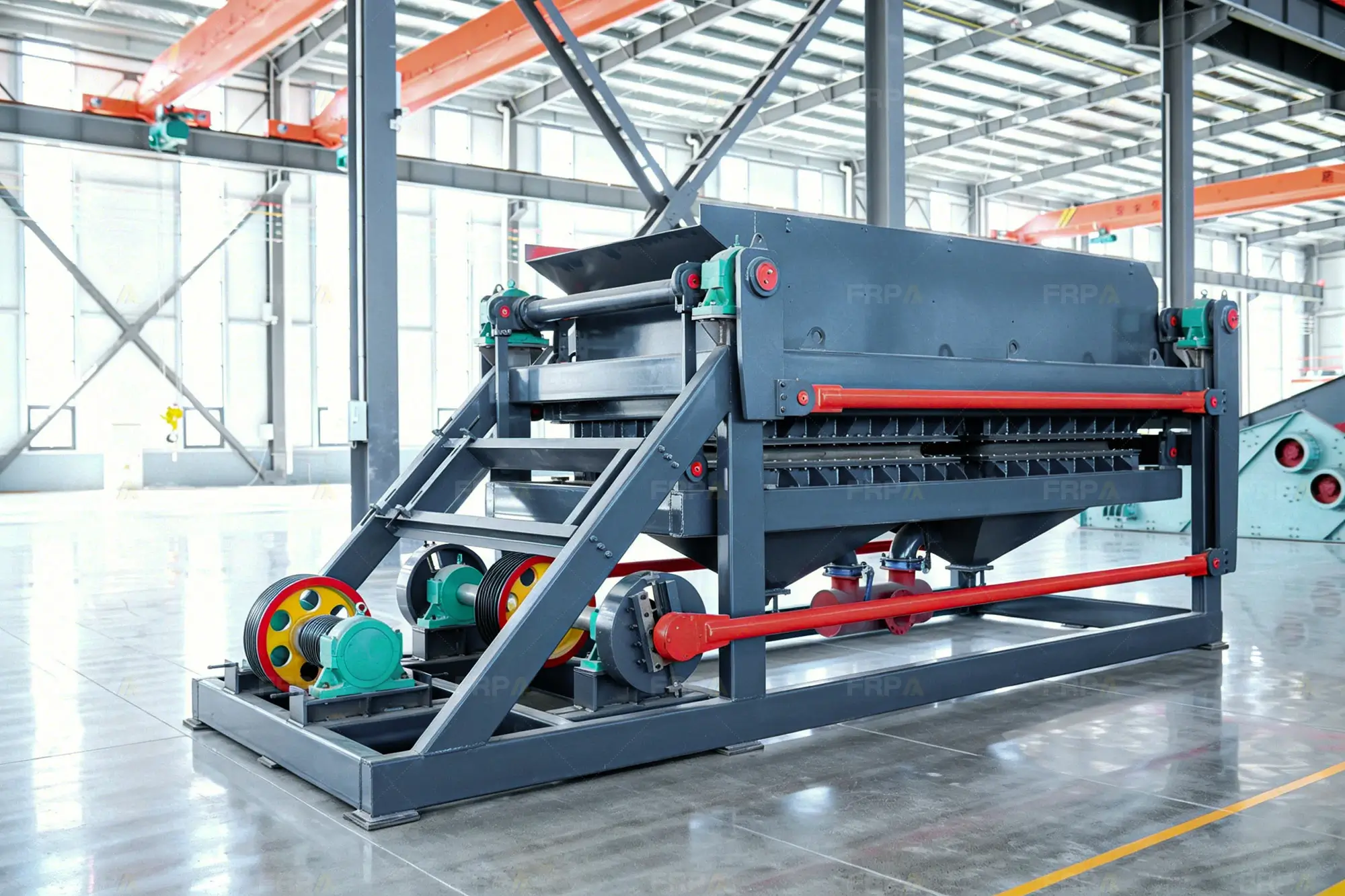
Trapezoidal Tank Structure → The 6109 jig features a trapezoidal jigging tank – the core design that distinguishes it from traditional rectangular jigs. The tank gradually widens along the slurry flow direction. This reduces flow velocity and creates a smoother, more stable flow field, which favours the settling of fine and medium particles. This geometry increases particle residence time in the jig bed, allowing fine minerals to settle more completely. The separation interface between heavy minerals and light gangue becomes clearer, and back-mixing is significantly reduced.

Zoned Jigging System → The 6109 trapezoidal jig consists of eight jigging chambers arranged in four groups of two chambers each. Each group is equipped with an independent drive and control system, allowing separate adjustment of stroke length and pulsation frequency. The jigging parameters can be flexibly configured according to the ore characteristics. This zoned control design enables each section to stratify under optimal pulsation conditions – true zoned operation – ensuring stable performance without mutual interference between chambers.

Working Principle Visual

Working Principle

The trapezoidal jig concentrator operates on the principle of density-based stratification under periodic pulsating water flow.

As slurry enters from the feed end, the trapezoidal tank geometry gradually widens along the flow direction, naturally reducing velocity and forming a stable flow field.

During each pulsation cycle, upward and downward water movements alternately loosen and compact the jig bed, allowing particles to stratify by specific gravity and size. Heavier minerals settle to the bottom to form the concentrate, while lighter gangue is carried upward and discharged as tailings.

Applications of LTC6109/8T Jig Concentrators

Metallic Ore Beneficiation → Widely used for gravity-separable metallic ores, including gold, tin, tungsten, manganese, chrome, iron and other minerals.

Metal Recovery from Smelting Slag → Effectively separates metal from non-metal fractions in secondary materials such as stainless steel slag, silicomanganese slag and ferrochrome slag, recovering valuable metals.

Tailings Reprocessing → For fine valuable particles remaining in gravity or flotation tailings, the trapezoidal jig provides secondary recovery with low energy consumption.

Non-Metallic Minerals & Recycling → Applied in the processing of barite, fluorite, garnet, coal gangue, construction waste and incineration bottom ash – achieving effective impurity removal and resource recovery.

Alluvial Gold & Tin Recovery → Ideal for processing loose mineral sands such as alluvial gold and alluvial tin deposits.

Why FRP LTC6109/8T Trapezoidal Jig Concentrator

At FRP, reliability is far more than a mere marketing slogan.

It serves as the starting point for our equipment design, the criterion for selecting core components, and the principle guiding our full service system.

For over two decades, we have dedicated ourselves to jigging separation technology and obtained six core patents. Our jigging machines have been operating steadily for years across hundreds of mining and smelting slag recovery projects worldwide. Their performance has been fully tested not in laboratories, but in real industrial working conditions by every single unit in the field.

Backed by our field-proven quality, we offer a three-year full-machine warranty that exceeds the industry standard. This fully demonstrates our confidence in the quality and long-term operational stability of our equipment.

We manufacture premium equipment built for continuous production and harsh on-site conditions, and strive to be your reliable long-term engineering partner.

6109 jig (9)

LTC6109/8T JIG

6109 jig (6)

LTC6109/8T JIG

6109 JIG (2)

LTC6109/12T JIG

6109 jig (17)

LTC6109/10T JIG

6109 jig (15)

LTC6109/12T JIG

Frequently Asked Questions

FAQ for LTC6109/8T Trapezoidal Jig Concentrator

Jigging performance is mainly influenced by stroke length, stroke frequency, feed rate and density, bed thickness, supplementary water volume, and operational management. Proper coordination of these parameters ensures effective stratification and stable separation, significantly improving concentrate grade and recovery. Optimal parameters are normally determined through experimental testing.
Stroke length determines pulsation intensity, while frequency affects the bed pulsation rate. Coarse, high-density minerals require longer stroke and lower frequency; fine particles perform better with shorter stroke and higher frequency. Both parameters must be coordinated to ensure adequate bed loosening and sufficient stratification time.
Bed thickness directly impacts stratification speed and concentrate quality. A bed that is too thin may cause particle jumping and concentrate contamination, while an overly thick bed hinders proper layering and discharge. Generally, coarse particles need a slightly thicker bed, while fine particles perform better with a thinner bed to achieve higher concentrate grade.
When issues such as boiling, dead bed, or excessive looseness occur, inspect stroke length, frequency, water addition and feed uniformity. If the bed is too thin or concentrate impure, slightly increase the stroke or water supply. If the bed is too loose or overflow excessive, reduce the stroke or feed concentration. Continuously monitor and fine-tune the parameters for stable operation.
Regularly clean and lubricate moving components to ensure smooth operation. Inspect and protect rubber diaphragms from oil, wear or mechanical damage. Clean and check the screen periodically to prevent clogging. Maintain stable water supply and pressure balance for consistent pulsation. Record operation data regularly to optimise parameters and simplify troubleshooting.
Stable operation requires uniform feed, clear stratification, stable bed condition and smooth discharge. Operators should closely monitor bed looseness and concentrate quality, promptly detect and correct any abnormalities, and ensure continuous, efficient mineral recovery.

Built for Uptime.
Backed All the Way.

We don't just deliver machines — we deliver assurance.

From installation to long-term service, we're by your side with ongoing support to keep your equipment running at its best.

Contact Today

Technical Data of LTC6109/8T Trapezoidal Jig Concentrator

Model Feed Size (mm) Capacity (t/h) Number of Chamber Jigging Area (m²) Power (kW)
2LTC6109/8T 0-8 25-40 8 5.76 2.2×4

Note: Specifications are subject to change without notice due to ongoing product improvement.

How can we help?

Have a question, need advice, or want to schedule an appointment? We're happy to assist with any inquiries you have about our equipment and system solutions.

    Home Tel Mail Inquiry