




Location
Laos
Material
Hematite Ore
Capacity
1500 TPH
Final Grade
63%-65% Fe
Located in Laos, this large-scale 1500 TPH hematite ore processing project handles run-of-mine material with grades ranging from 30% to 45% Fe.
At this industrial scale, capacity is both an advantage and a constraint. While the 1500 TPH throughput delivers significant production output, it also leaves no margin for operational instability. Even a 1% efficiency loss or a single hour of unplanned downtime can result in substantial financial impact.
For this reason, the client’s primary objective was not only to achieve a target concentrate grade of 63% Fe, but to maintain that grade consistently under continuous, high-load operating conditions.
During the initial planning phase, the client expressed strong concerns about conventional high-complexity mineral processing circuits.
Based on previous operational experience, they understood that systems relying heavily on multi-stage classification and fine grinding are often difficult to control in large-scale hematite processing plants. These circuits are highly sensitive to ore variability, clay content, and feed fluctuations, requiring frequent manual adjustments.
For a 1500 TPH hematite processing plant, the client needed a solution with a wider operating window—one designed for stability and reliability in real-world conditions, rather than theoretical efficiency.
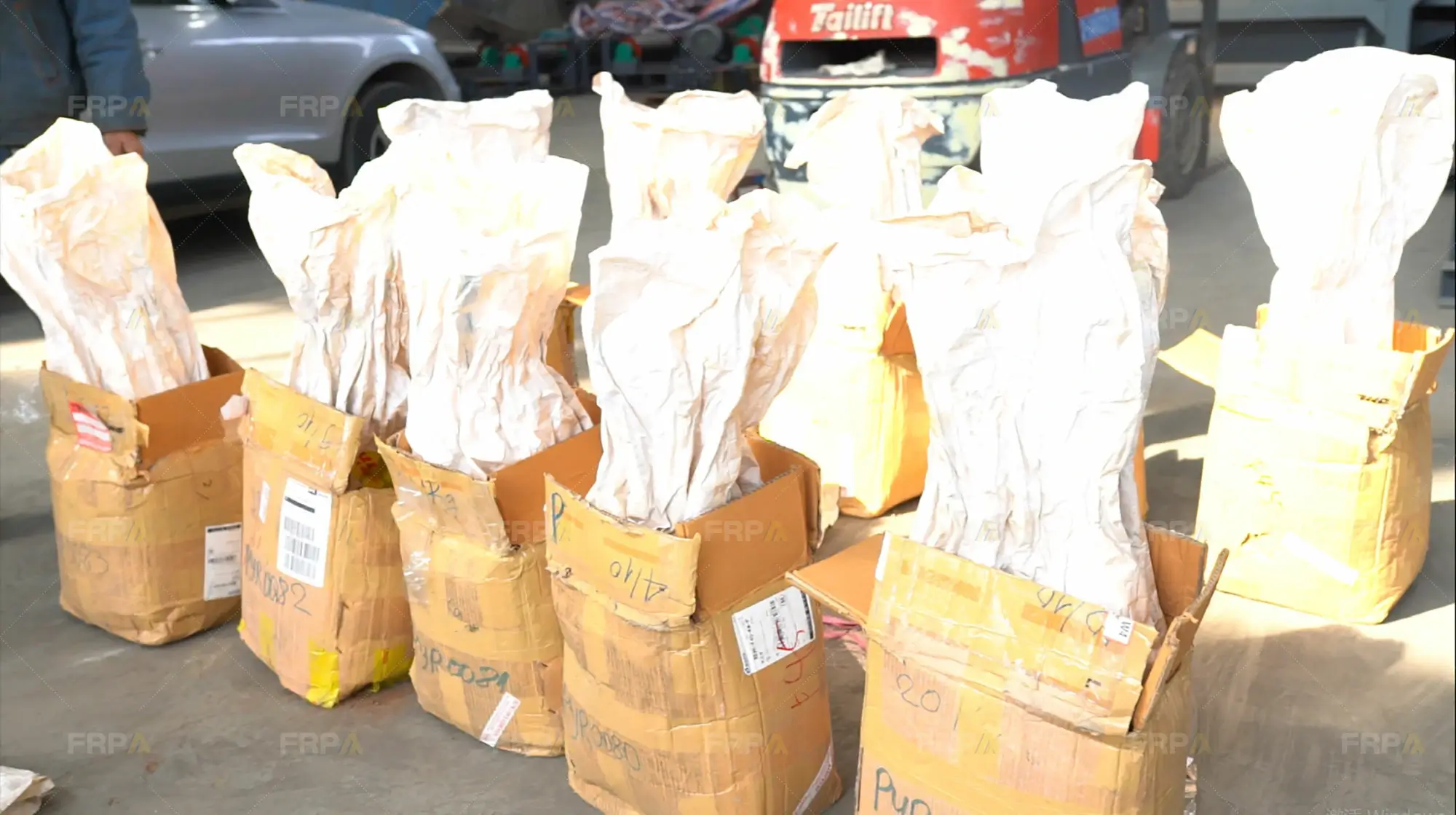
To address these challenges, FRP adopted a test-driven methodology based on the principle:
“Data Before Equipment.”
The process route was validated through two structured stages:
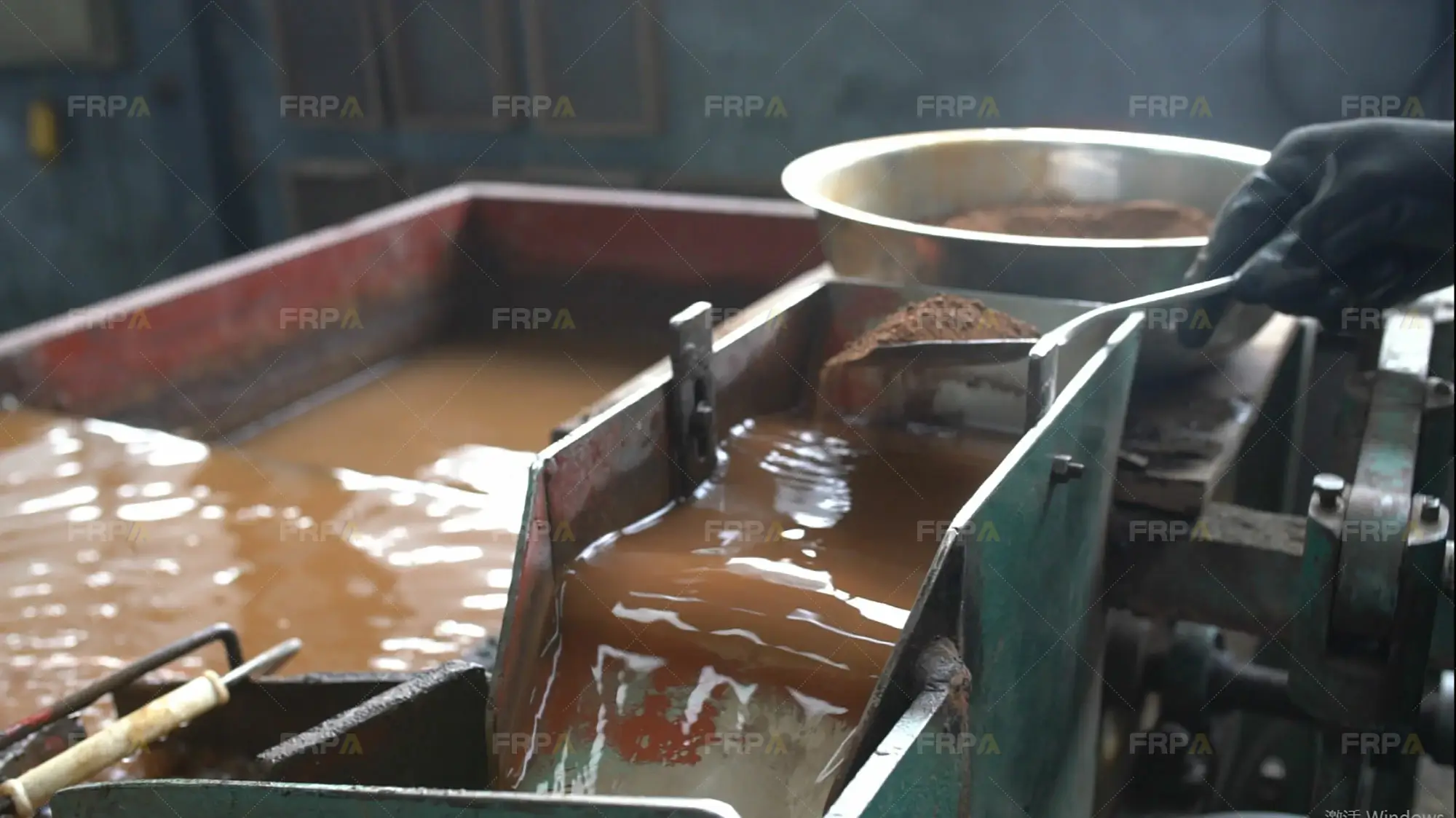
Tests were conducted on five representative ore samples. The results revealed significant ore heterogeneity across different zones.
Based on these findings, we provided clear and transparent feedback, identifying which sections of the ore body were most suitable for gravity separation. This allowed the client to better understand ore distribution and plan selective mining strategies.
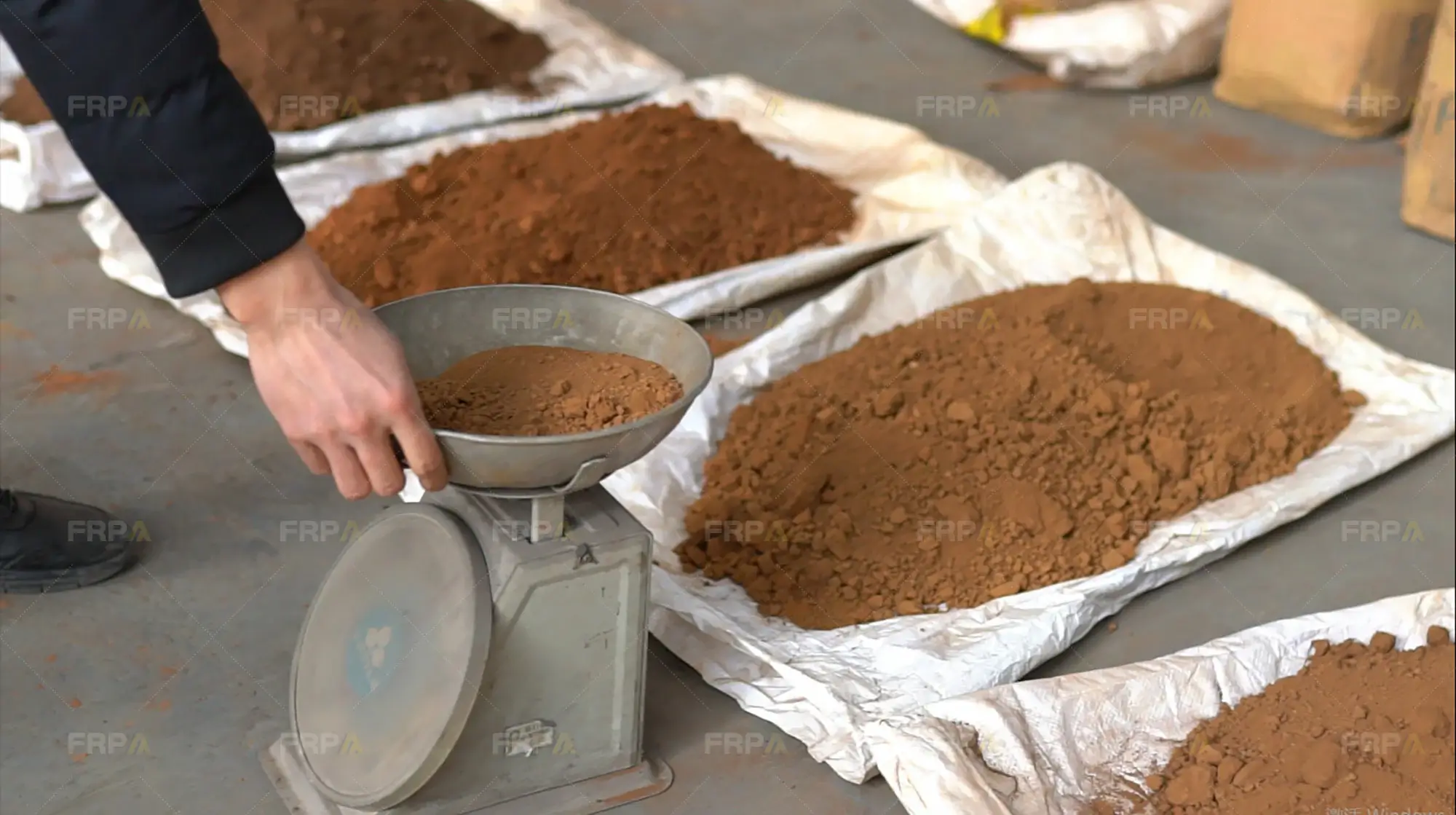
An additional 24 samples were tested to simulate the full range of mine operating conditions.
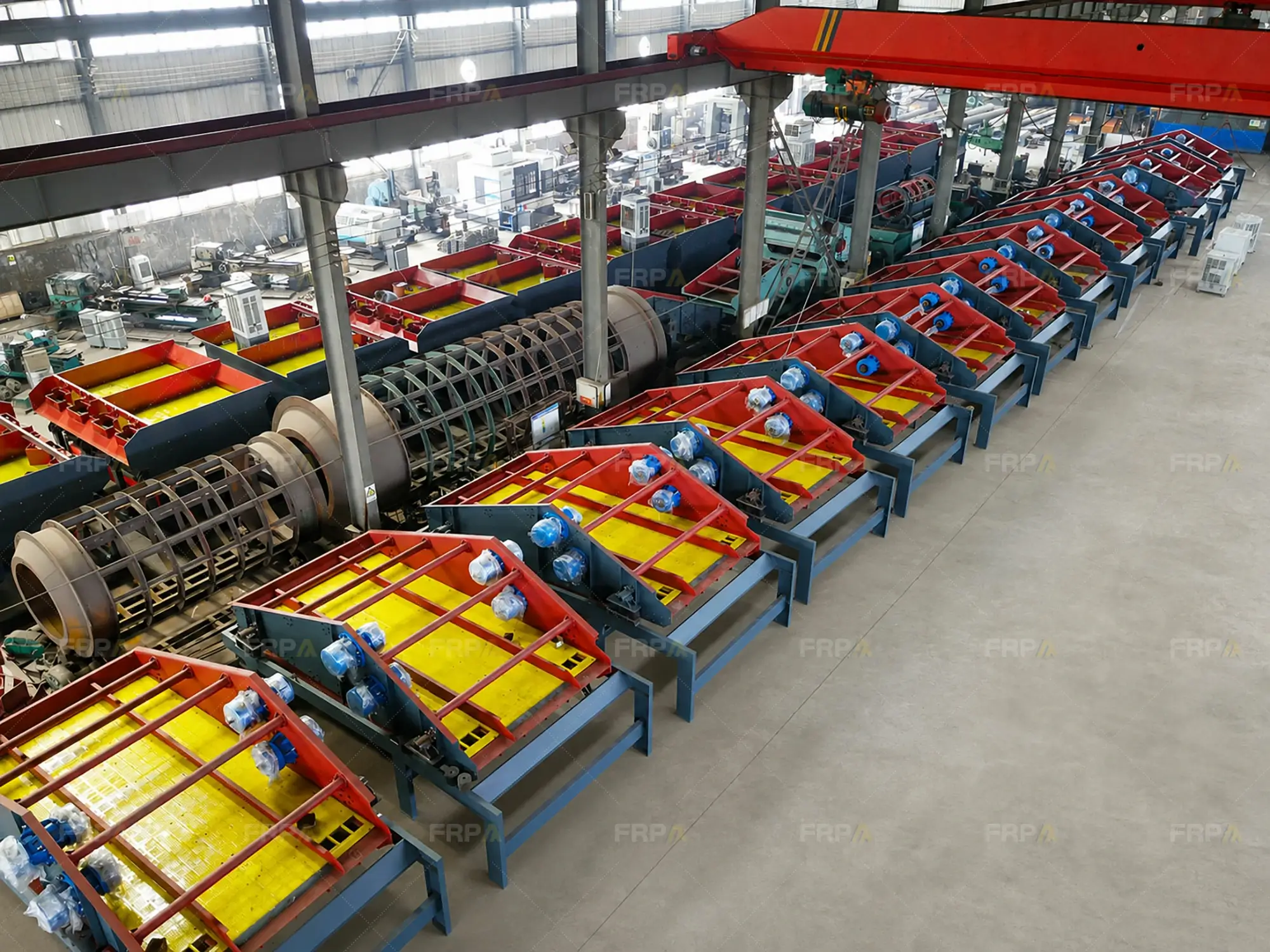
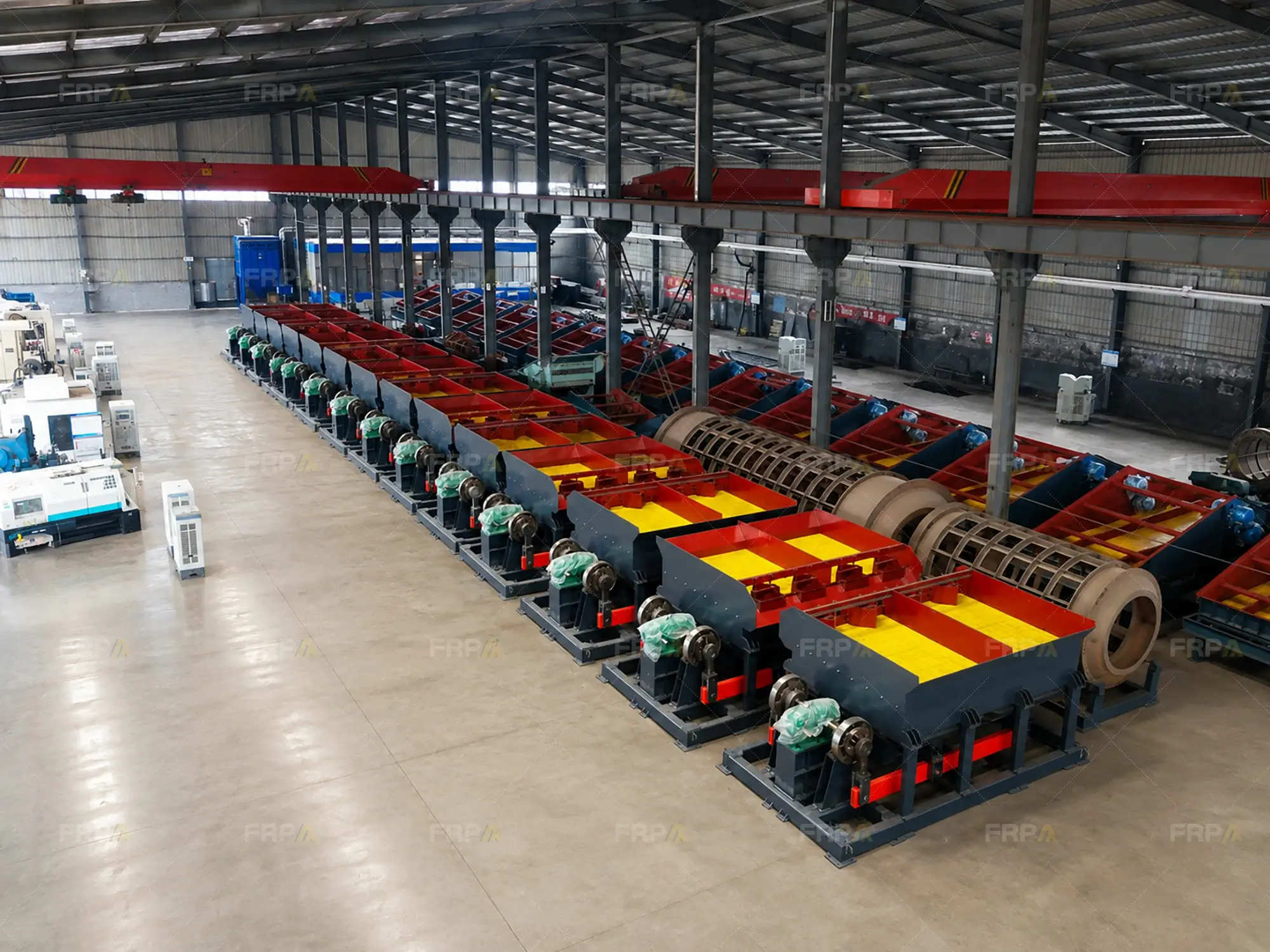
Through dozens of test iterations, we confirmed that complex processing routes would introduce unnecessary operational risks. As a result, the final process was simplified to a robust and scalable circuit: Crushing → Screening → Jigging → Dewatering
The final FRP solution focused on achieving high-efficiency separation at a relatively coarse particle size, delivering three key advantages for large-scale hematite processing plants:
By eliminating the grinding circuit, the system significantly reduces energy consumption and capital expenditure. This directly improves project ROI, particularly for high-capacity operations.
The simplified flowsheet is less sensitive to ore variability and moisture fluctuations. It requires minimal manual adjustment, allowing the 1500 TPH line to operate continuously with stable performance.
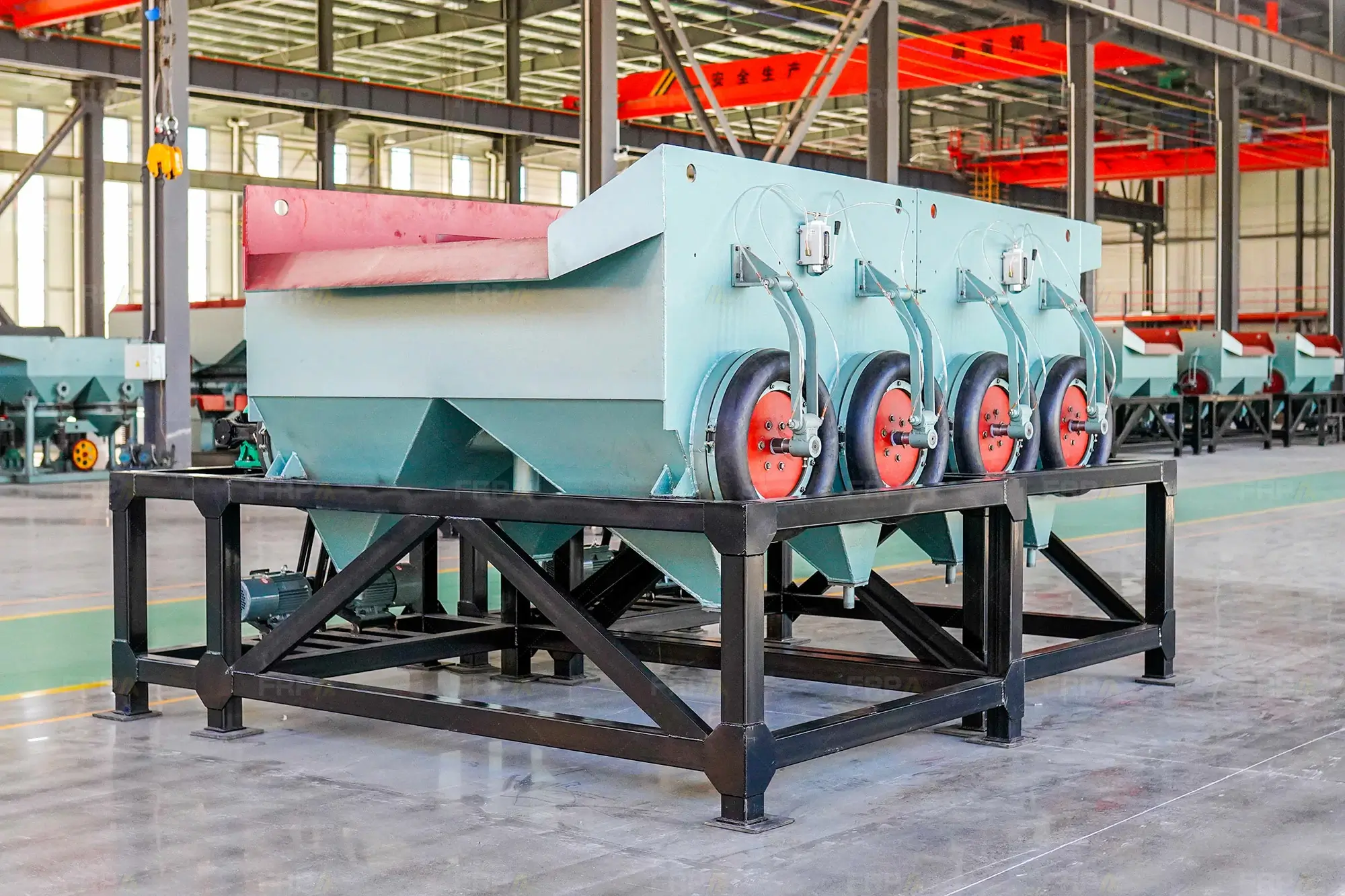
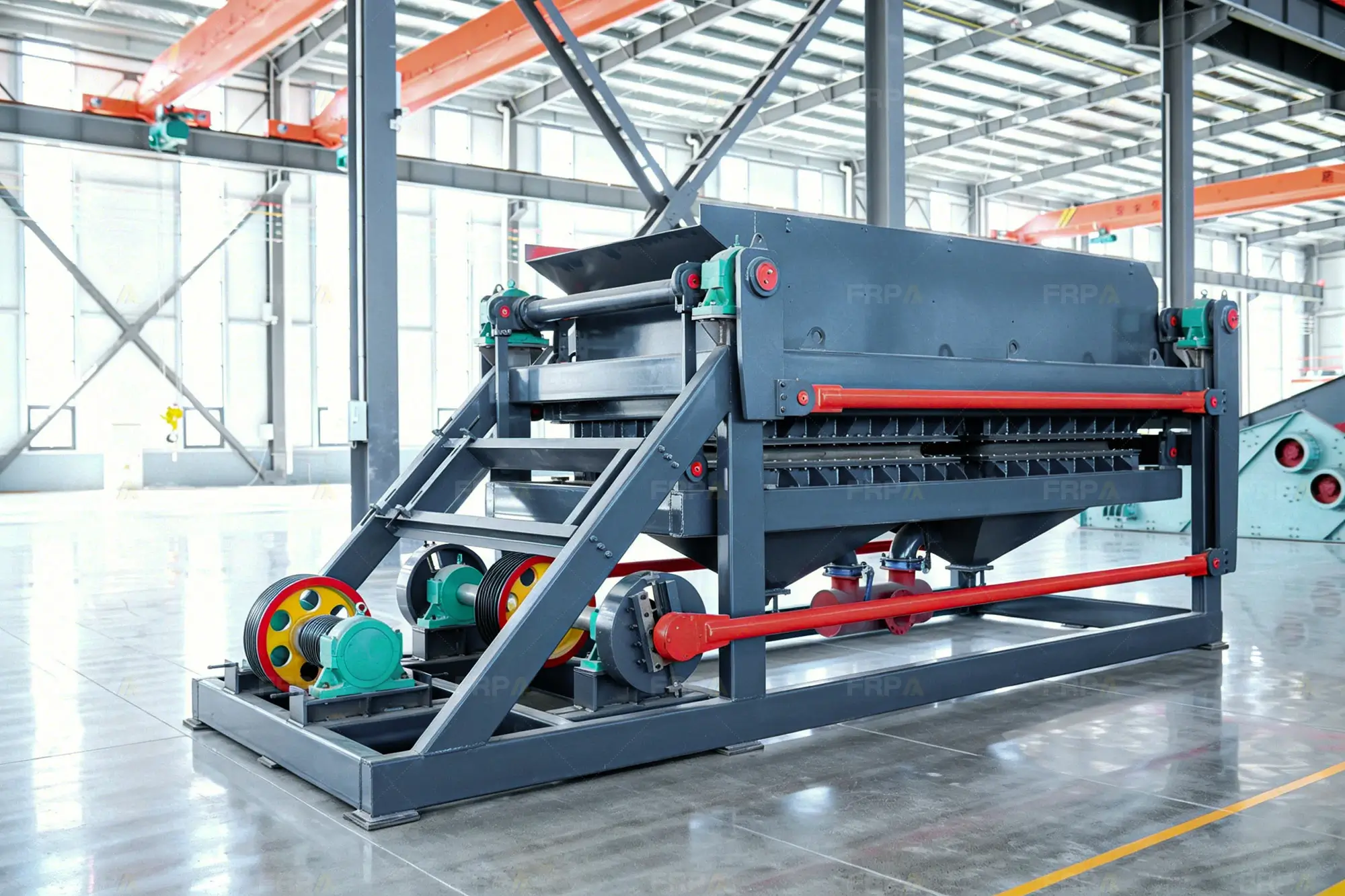
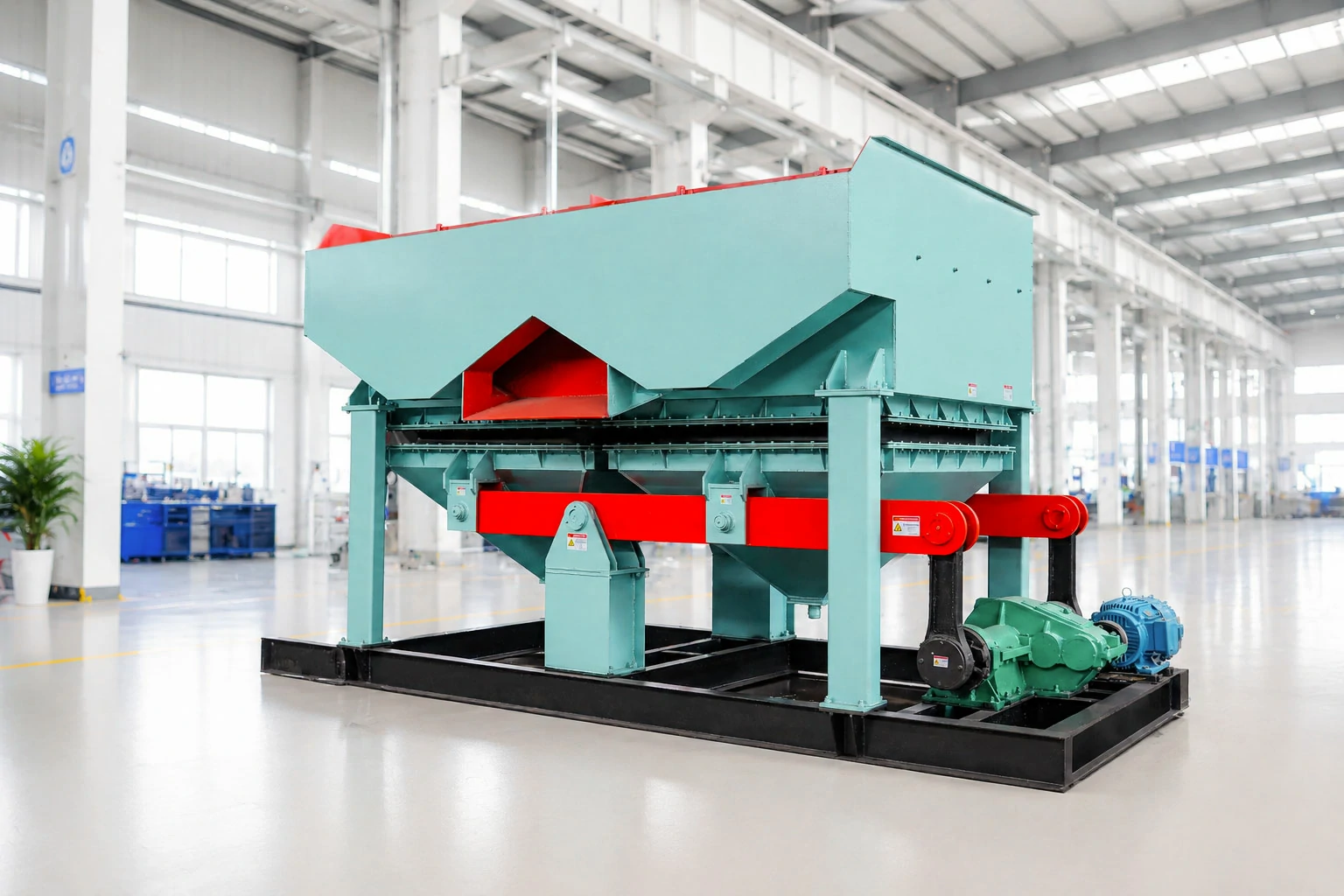
With FRP’s patented jigging technology, the system demonstrates excellent durability and fatigue resistance under continuous 24/7 high-load operation, making it ideal for large-scale hematite beneficiation projects.
Today, the Laos hematite mine is operated jointly by the client and a Chinese contracting company, both relying on FRP mineral processing technology.
As of December 2025, the plant continues to operate at high stability. The concentrate grade consistently remains between 63% and 65% Fe, exceeding the original project targets.
FRP continues to provide on-site technical supervision to ensure the system maintains optimal performance under long-term production conditions.
If your project involves large-scale hematite ore processing, unstable feed conditions, or high operating costs caused by complex circuits, FRP can provide a customized solution designed for stability and long-term efficiency.
Have a question, need advice, or want to schedule an appointment? We're happy to assist with any inquiries you have about our equipment and system solutions.