
Phone/Whatsapp: +86 15515592672

Classifying

Hydrocyclones

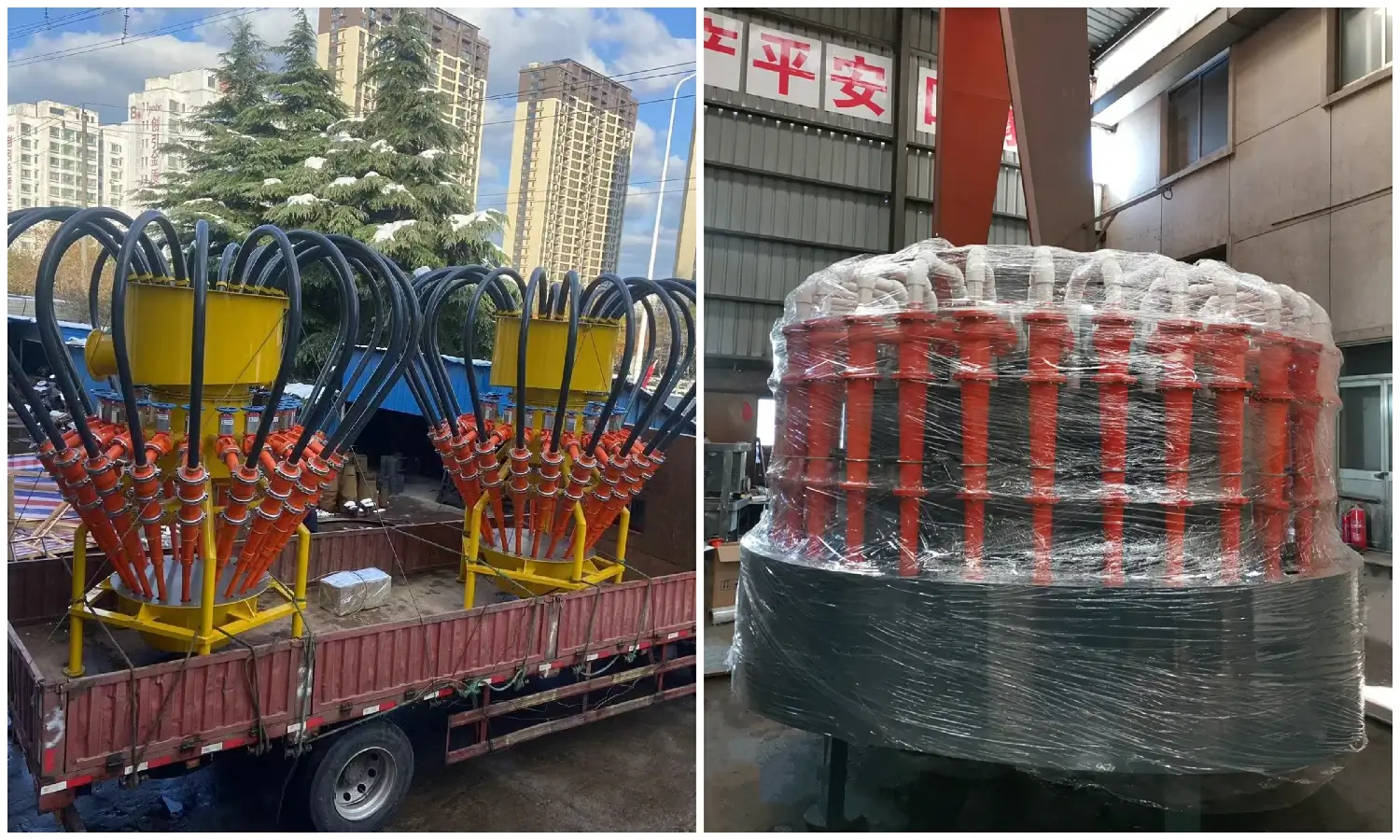
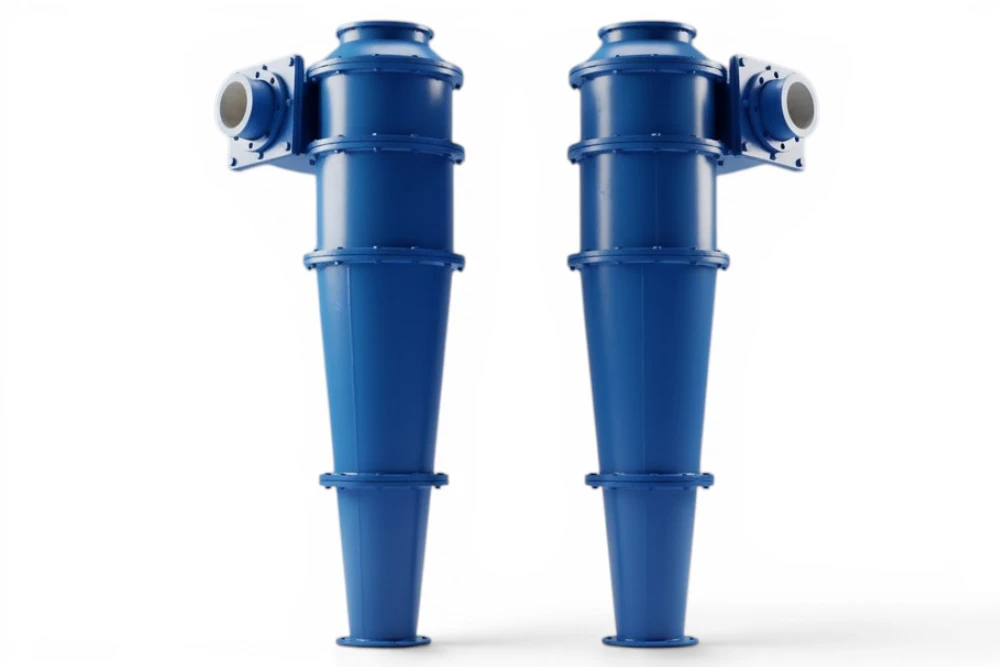
Hydrocyclones are widely used in mineral processing for classification, desliming, and concentration. Slurry is fed tangentially under pressure, creating a high-speed rotating flow field inside the cyclone. Coarse particles migrate toward the wall and discharge through the underflow, while fine particles exit through the overflow — achieving continuous separation with no mechanical moving parts. Simple in structure and reliable in operation, hydrocyclones deliver efficient, low-maintenance performance for modern mineral processing circuits.

Hydrocyclones

Key Benefits / Advantages

No Mechanical Moving Parts

The cyclone body contains no mechanical transmission components. Separation is achieved solely by the high-speed rotating flow field generated by slurry pressure, resulting in a simple structure, low failure rate, and stable, reliable operation.
Wear-Resistant and Corrosion-Resistant

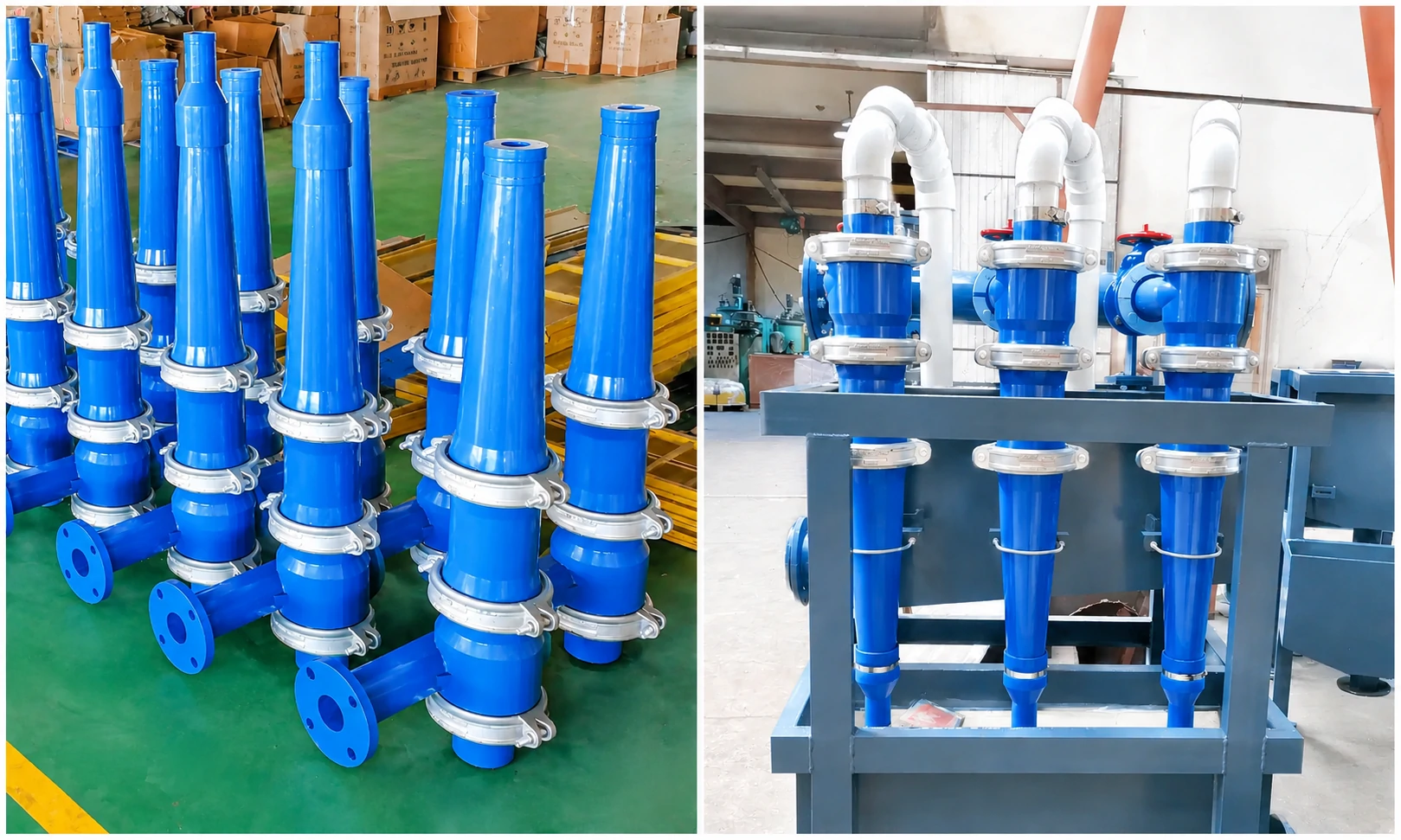
Polyurethane, rubber, ceramic, stainless steel, and other liner materials are available to suit different operating conditions. This allows the cyclone to handle abrasive and corrosive slurries while significantly extending equipment service life.

Flexible Configuration

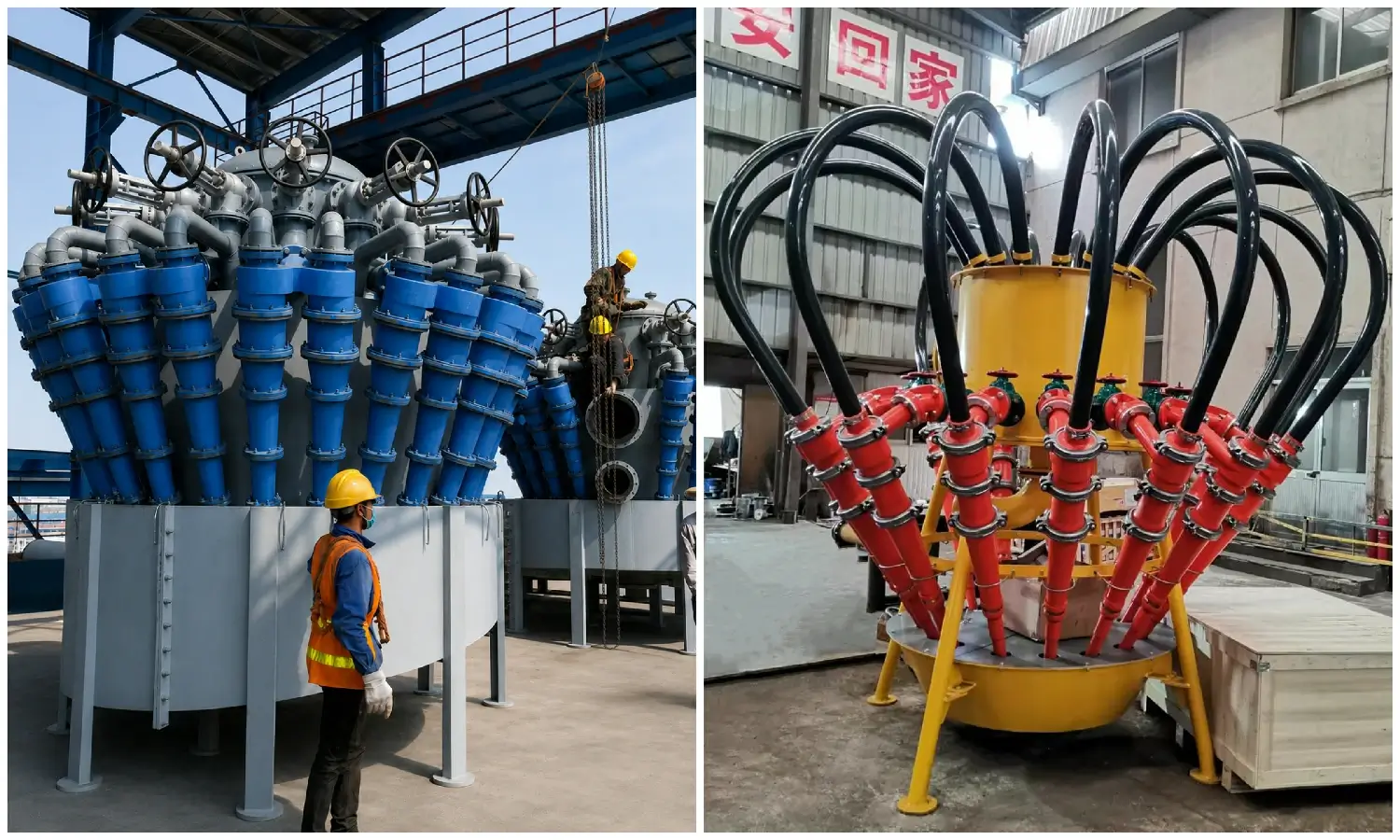
Hydrocyclones can be used individually or grouped in parallel or series. They integrate easily with mills, thickeners, dewatering screens, and other equipment, adapting to different process flows and capacity requirements.

Easy Maintenance

With no complex transmission components, routine maintenance focuses mainly on the feed inlet, underflow spout, and liner wear inspection. Few maintenance points, convenient spare part replacement, and low overall operating cost.

Hydrocyclone Gallery

cyclone3 cyclone (2) cyclone (3)

Frequently Asked Questions

FAQ for Hydrocyclones

Slurry is fed tangentially into the hydrocyclone under pressure, creating a high-speed rotating flow field inside the cone. Coarse particles migrate toward the wall under centrifugal force and are discharged through the underflow as the outer vortex. Fine particles are carried inward and exit through the overflow as the inner vortex, enabling continuous separation with no mechanical moving parts.

Hydrocyclone performance is mainly influenced by a combination of operating and design parameters, including feed pressure, slurry concentration, feed flow rate, particle size distribution, and cyclone geometry such as diameter, cone angle, inlet size, vortex finder size and depth, and spigot diameter.

Built for Uptime.
Backed All the Way.

We don't just deliver machines — we deliver assurance.

From installation to long-term service, we're by your side with ongoing support to keep your equipment running at its best.

Contact Today

How can we help?

Have a question, need advice, or want to schedule an appointment? We're happy to assist with any inquiries you have about our equipment and system solutions.

Home Tel Mail Inquiry