
Phone/Whatsapp: +86 15515592672

Classifying

Spiral Classifier

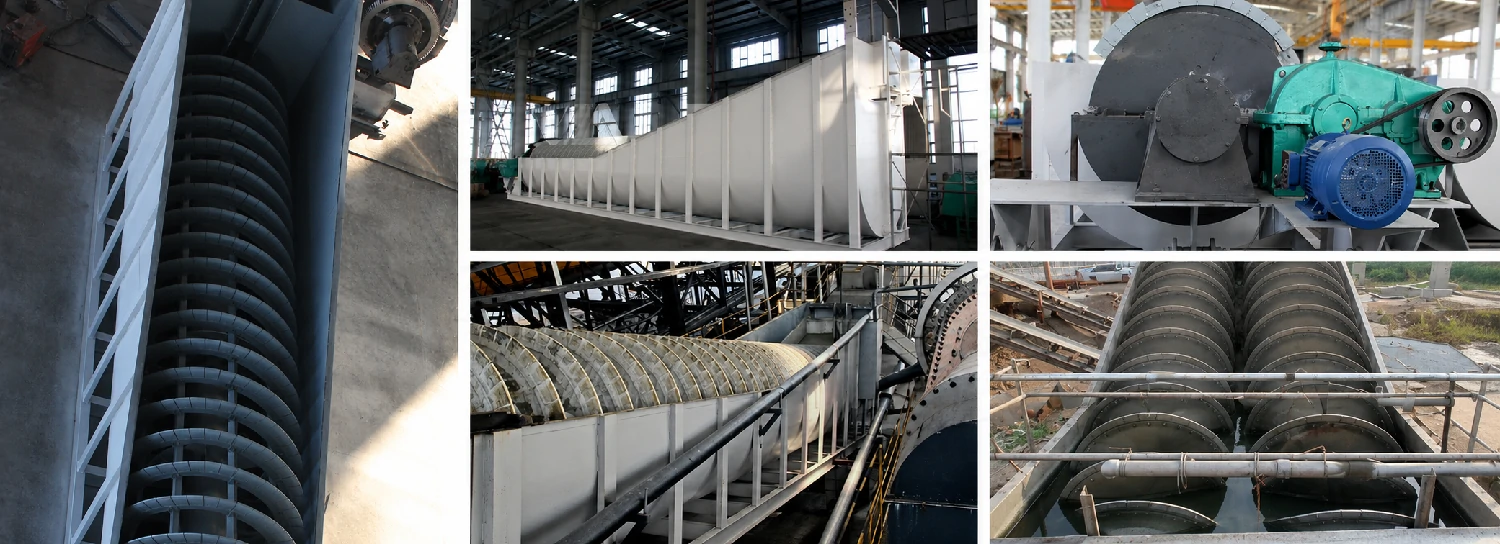
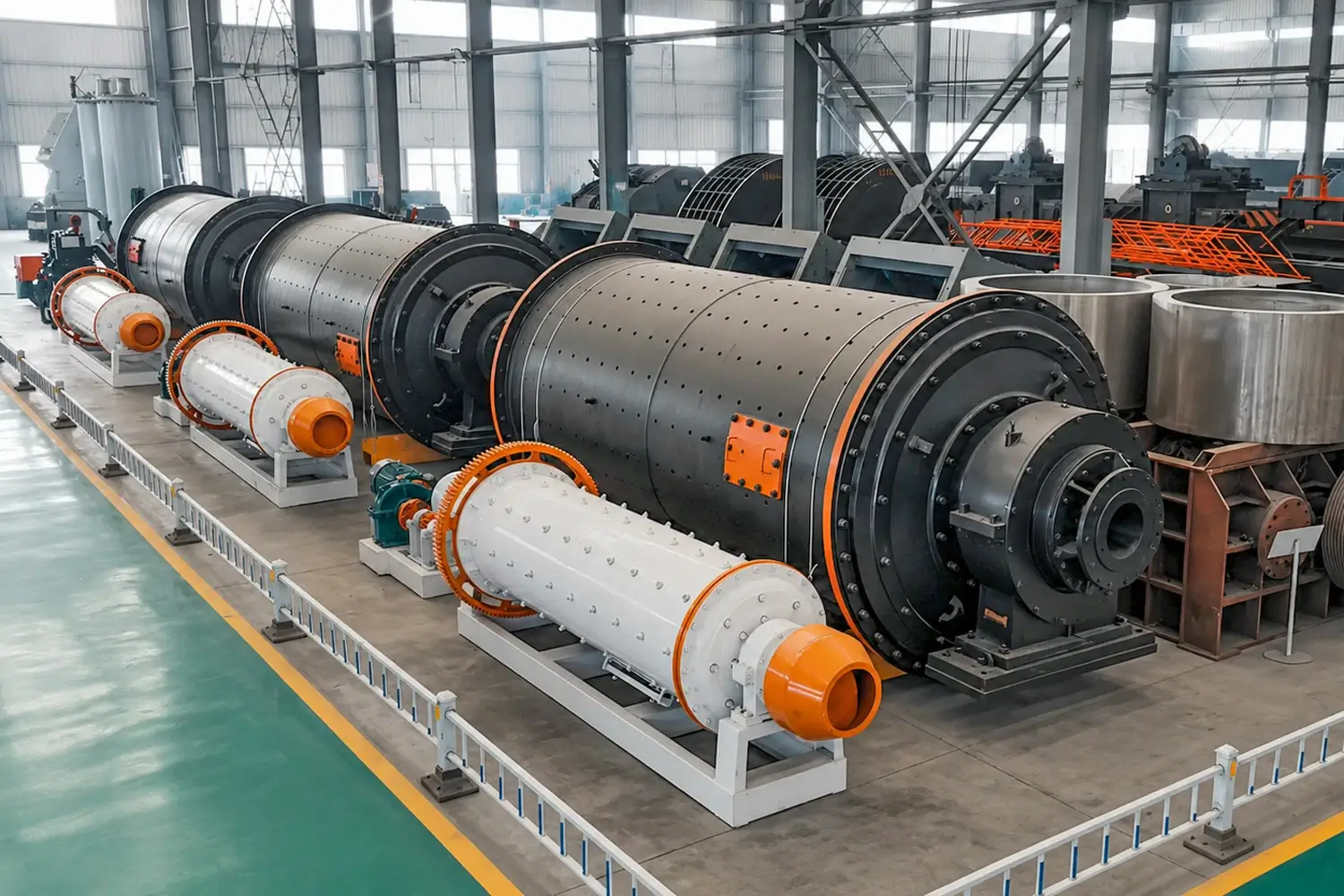
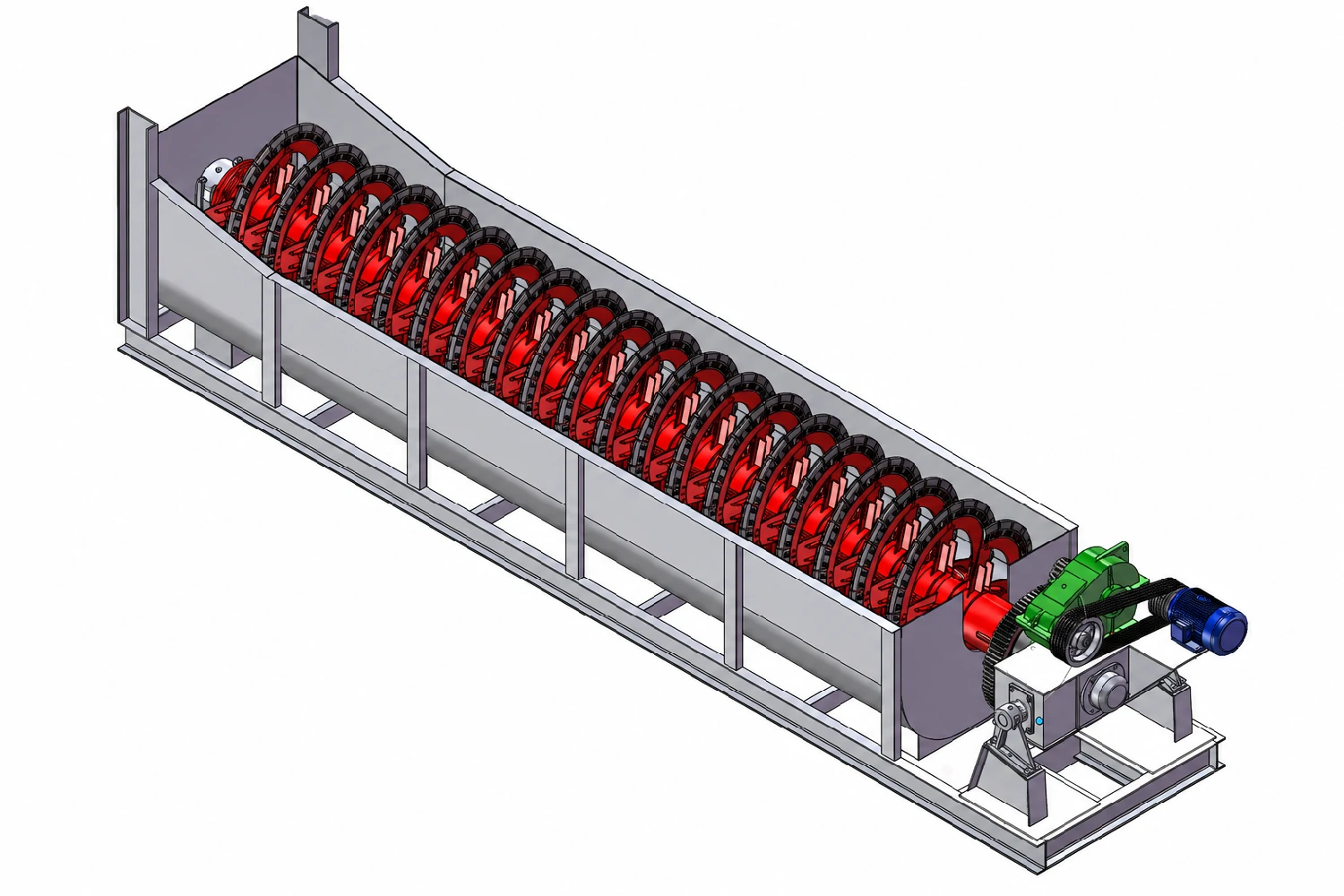
The FRP Spiral Classifier is designed for particle size classification in mineral processing, primarily used in closed-circuit grinding systems in combination with ball mills. It separates fine particles from coarse material through gravity settling and mechanical conveying, allowing qualified fine material to overflow to the next process stage while returning coarse particles for further grinding.

By regulating particle size distribution and circulating load, the spiral classifier plays a critical role in maintaining stable grinding performance and ensuring consistent feed quality for downstream flotation or gravity separation processes.

Spiral Classifier

Key Benefits / Advantages

Adjustable Cut Size Control

The cut size of the classifier can be adjusted through operating parameters such as water flow rate, spiral speed, tank inclination, and overflow weir position. This allows the equipment to respond to different ore characteristics, grinding targets, and process requirements, providing greater flexibility in circuit control and product size management.
Simple and Robust Mechanical Structure

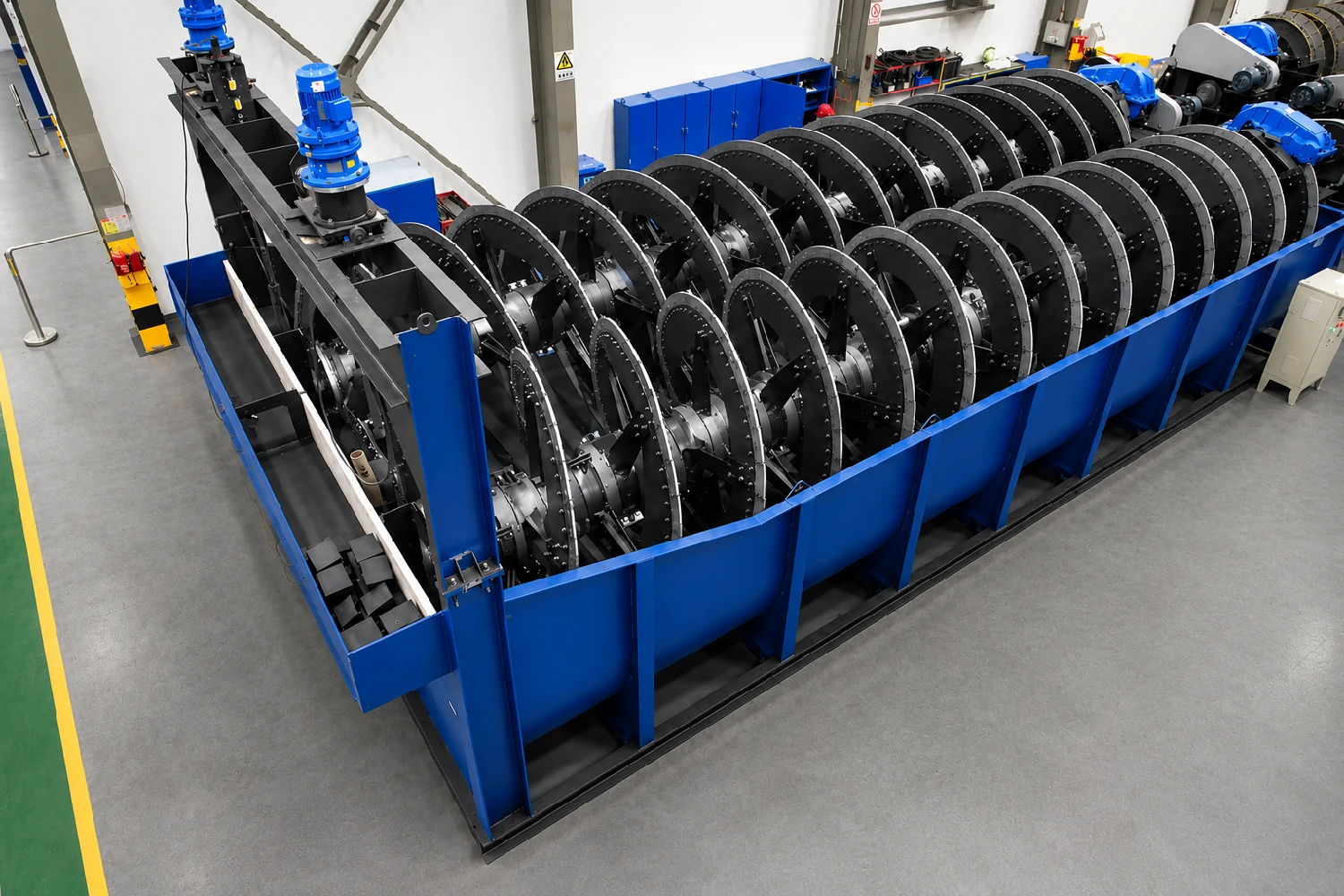
Compared with more complex classification systems, the spiral classifier features a straightforward mechanical design with fewer auxiliary components. This makes the equipment easier to install, operate, and maintain, while also improving reliability in mineral processing plants where stable, long-term operation is required.

Adaptability to Variable Feed Conditions

The FRP Spiral Classifier can handle changes in slurry density, feed rate, and particle size distribution without significant loss of operating stability. This makes it suitable for plants where feed conditions are not always uniform and where a more tolerant and steady classification system is needed.

Stable Classification for Consistent Grinding Performance

In grinding circuits, overall efficiency and recovery are not determined by the mill alone, but by how effectively particle size is controlled. Excessive fines generation leads to energy waste and slime losses, while insufficient grinding results in poor mineral liberation and reduced recovery.

The spiral classifier addresses this by continuously separating coarse and fine particles, ensuring that only material within the target size range proceeds forward while oversized particles are returned for further size reduction. This stabilizes the grinding circuit, improves process consistency, and enhances downstream separation efficiency.

classifier

Single Spiral Classifier

spiral classifier (3)

Twin Spiral Classifier

spiral classifier (4)

Frequently Asked Questions

FAQ for Spiral Classifier

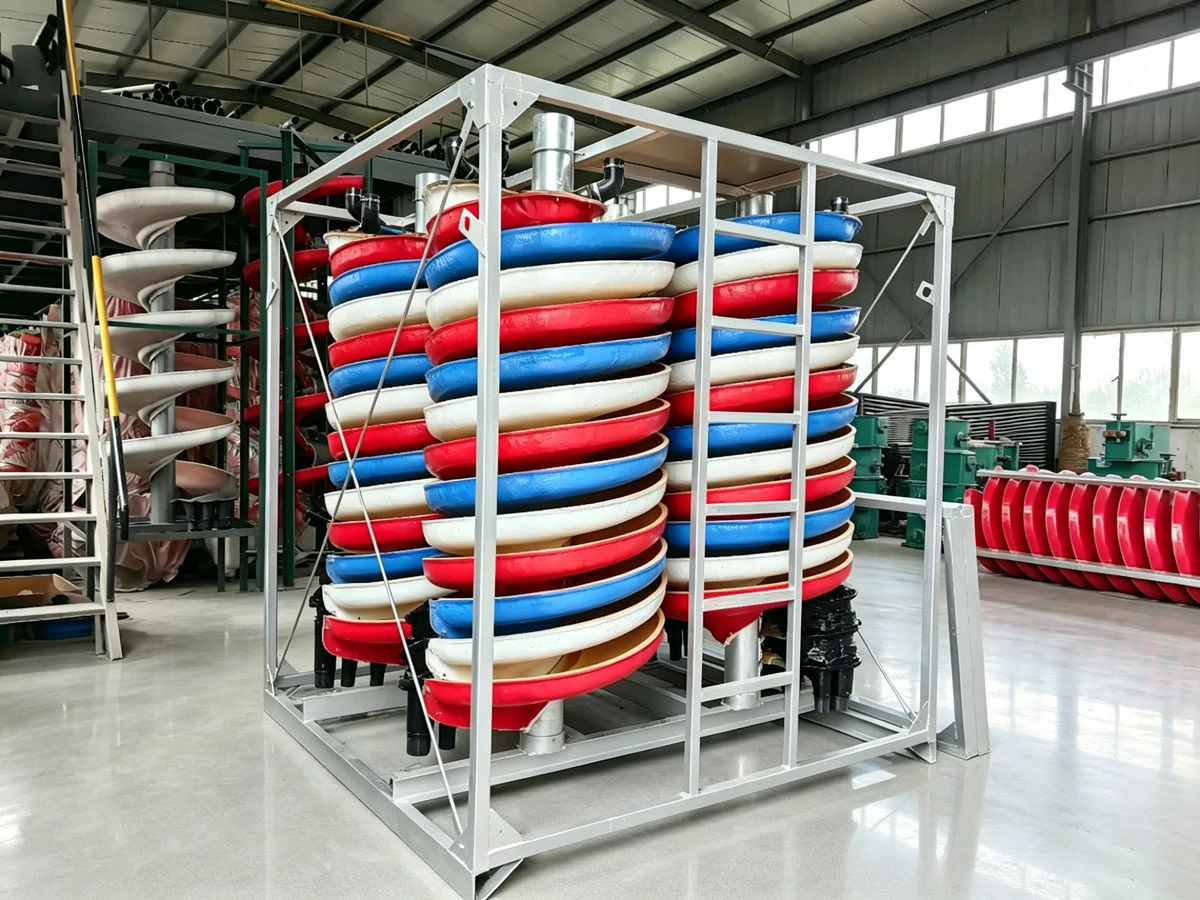
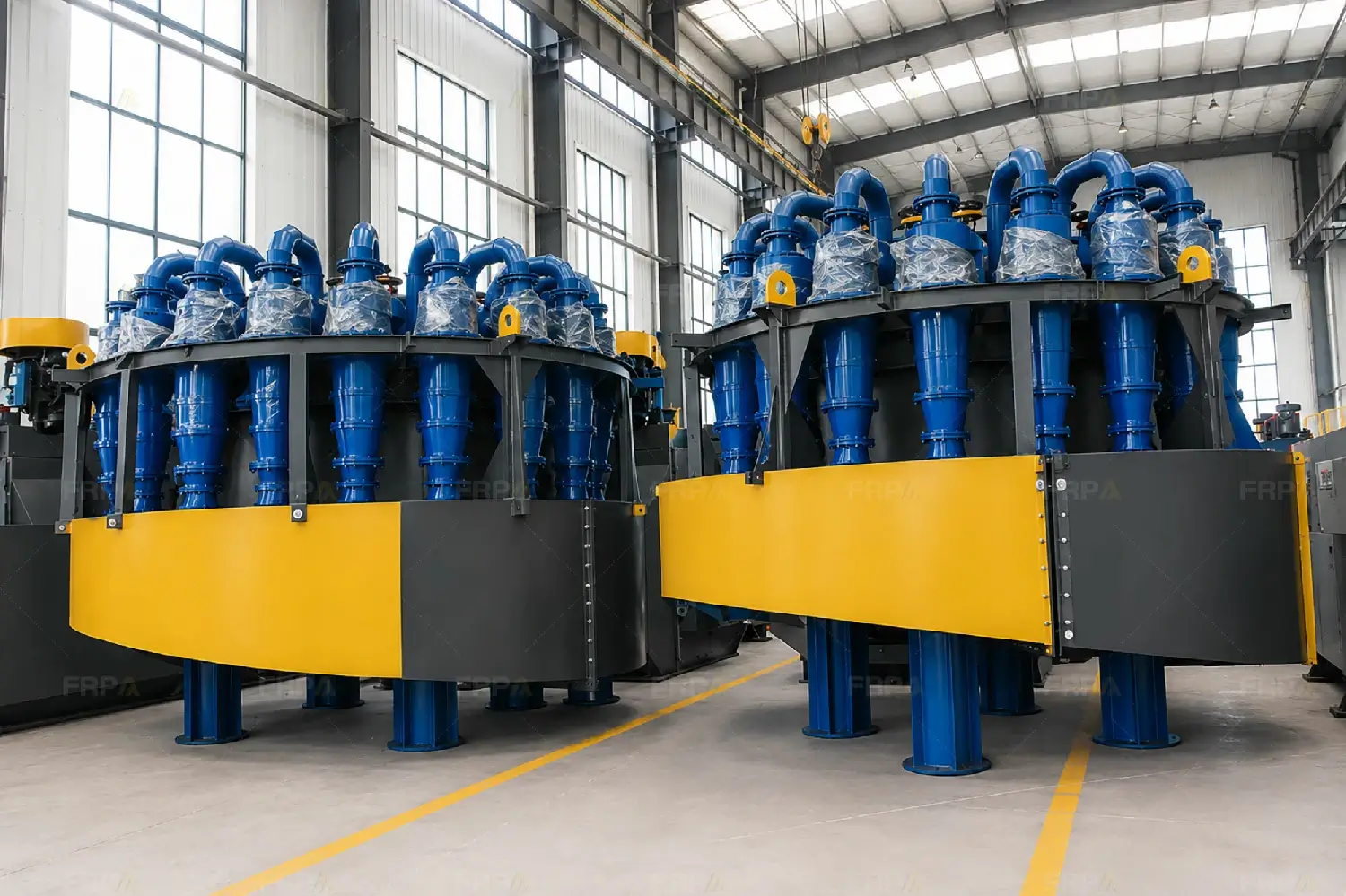
A spiral classifier is typically selected when a simple, robust, and stable classification system is required, especially in operations with variable feed conditions or where high-precision classification is not critical. In contrast, hydrocyclones are more suitable for fine and precise classification but require more complex systems and stricter operating control.
After grinding, the slurry enters the classifier tank where particles settle at different rates based on size and density. Fine particles remain suspended and flow over the overflow weir, forming the qualified product stream, while coarse particles settle to the bottom of the tank and are transported upward by the rotating spiral back to the mill inlet. This continuous process of separation and return forms a closed grinding circuit, allowing precise control of particle size distribution and improving the efficiency of both grinding and downstream processing.

Built for Uptime.
Backed All the Way.

We don't just deliver machines — we deliver assurance.

From installation to long-term service, we're by your side with ongoing support to keep your equipment running at its best.

Contact Today

Technical Data of Spiral Classifier

Type Model Screw Speed (rpm) Capacity (t/d) Screw Diameter (mm) Spiral Length (mm) Installation Angle (°) Main Motor (kW) Hoist Motor (kW) Weight (kg)
High Weir / Single FLG-500 8 145–260 500 4390 14–18 2.2 1600
FLG-750 7.8 256–654 750 5500 3 2716
FLG-1000 6.7 473–1026 1000 6556 5.5 4000
FLG-1200 5–7 1145–1600 1200 6500 5.5 1.5 7943
FLG-1500 2.5–6 1140–2740 1500 8265 7.5 2.2 11827
FLG-2000 3.6–5.5 3890–5940 2000 8700 11–15 3 20814
FLG-2400 3.6 6800 2400 9130 22 4 24194
FLG-3000 3.2 11625 3000 12500 30 4 42188
High Weir / Double 2FLG-1200 5–7 2340–3200 1200 × 2 6500 5.5 × 2 1.5 × 2 15840
2FLG-1500 2.5–6 2280–5480 1500 × 2 8230 7.5 × 2 2.2 × 2 22903
2FLG-2000 3.6–5.5 7780–11880 2000 × 2 8400 15 × 2 3 × 2 34621
FLC-1000 2.5–7.4 160–700 1000 8397 5.5 5225
FLC-1200 5–7 1150–1640 1200 8400 7.5 1.5 9583
FLC-1500 2.5–6 1140–2740 1500 10500 7.5 2.2 14226
2FLC-1500 2.5–6 2280–5480 1500 × 2 10500 7.5 × 2 2.2 × 2 27450
2FLC-2000 3.6–5.5 7780–11880 2000 × 2 12900 22–30 3 × 2 50621

Note: Specifications are subject to change without notice due to ongoing product improvement.

How can we help?

Have a question, need advice, or want to schedule an appointment? We're happy to assist with any inquiries you have about our equipment and system solutions.

    Home Tel Mail Inquiry