Phone/Whatsapp: +86 15515592672

grinding

Ball Mill

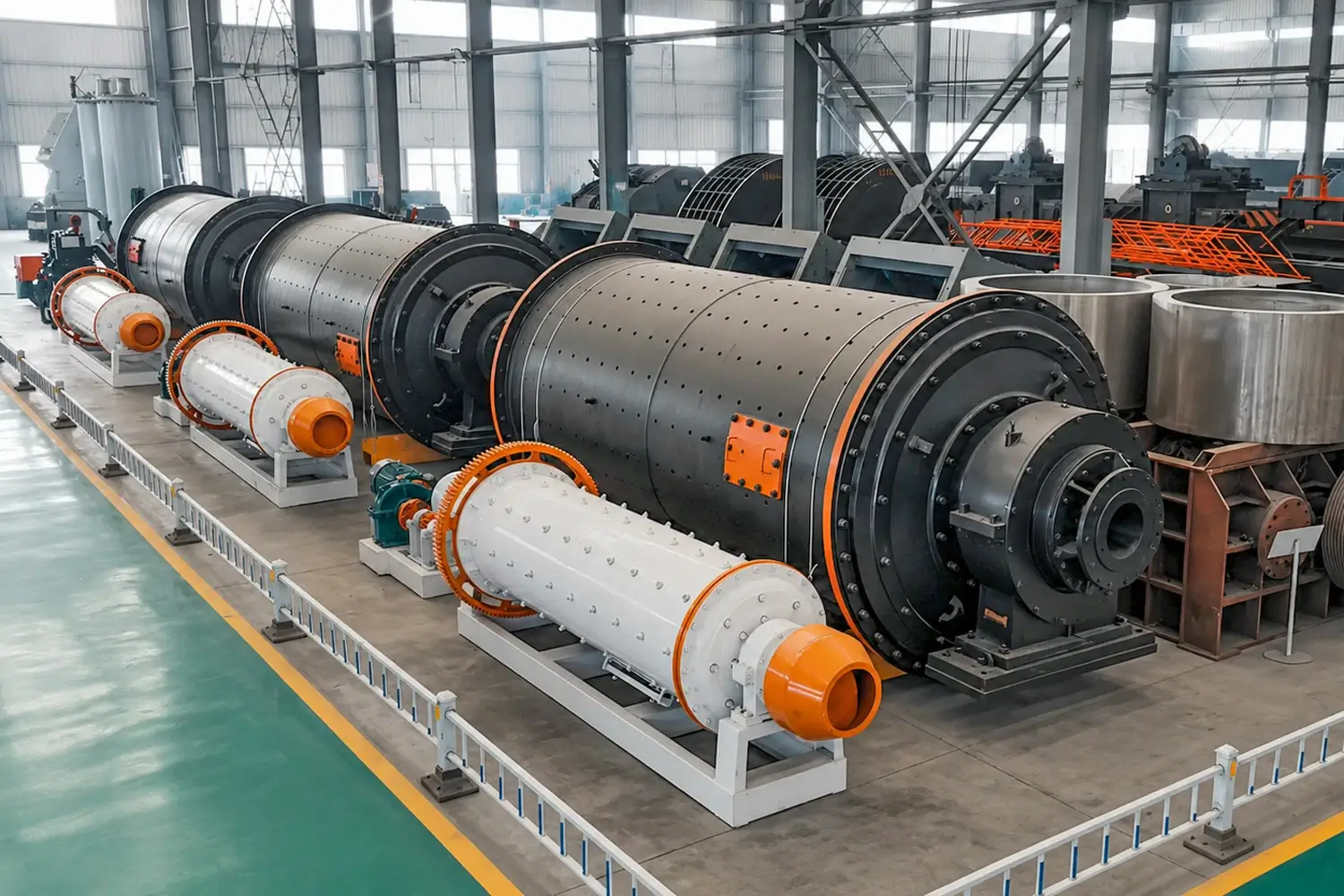
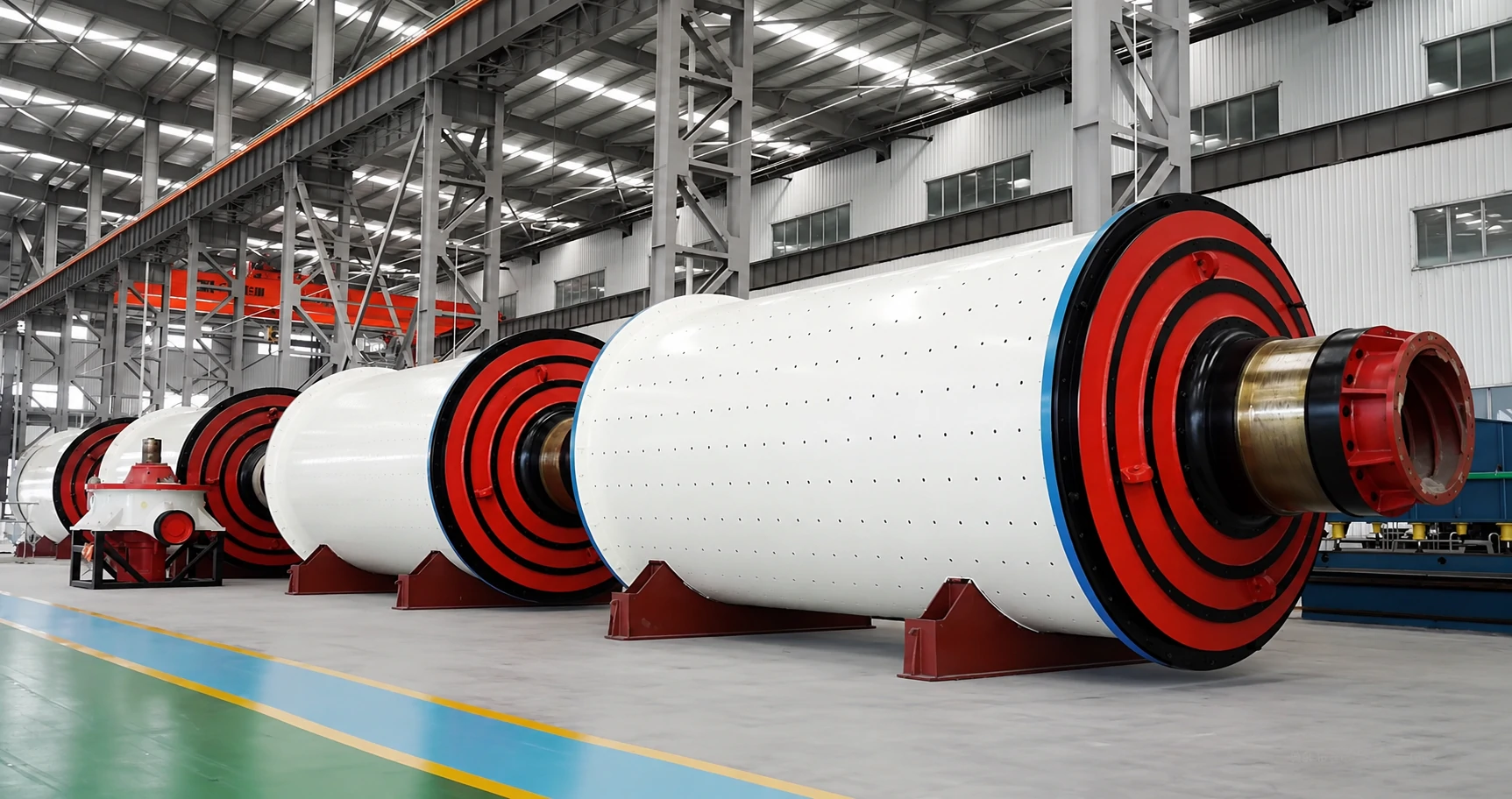
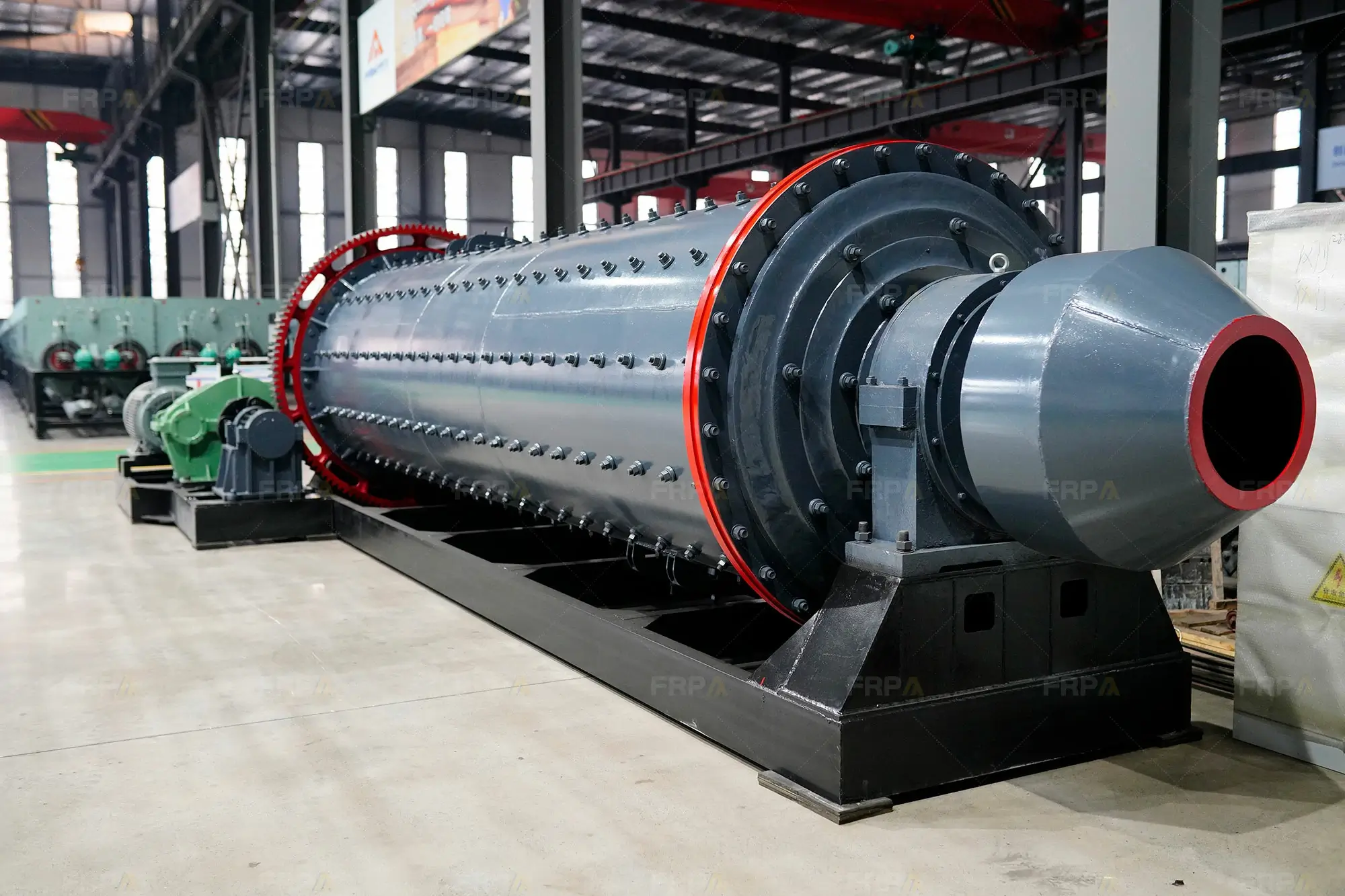
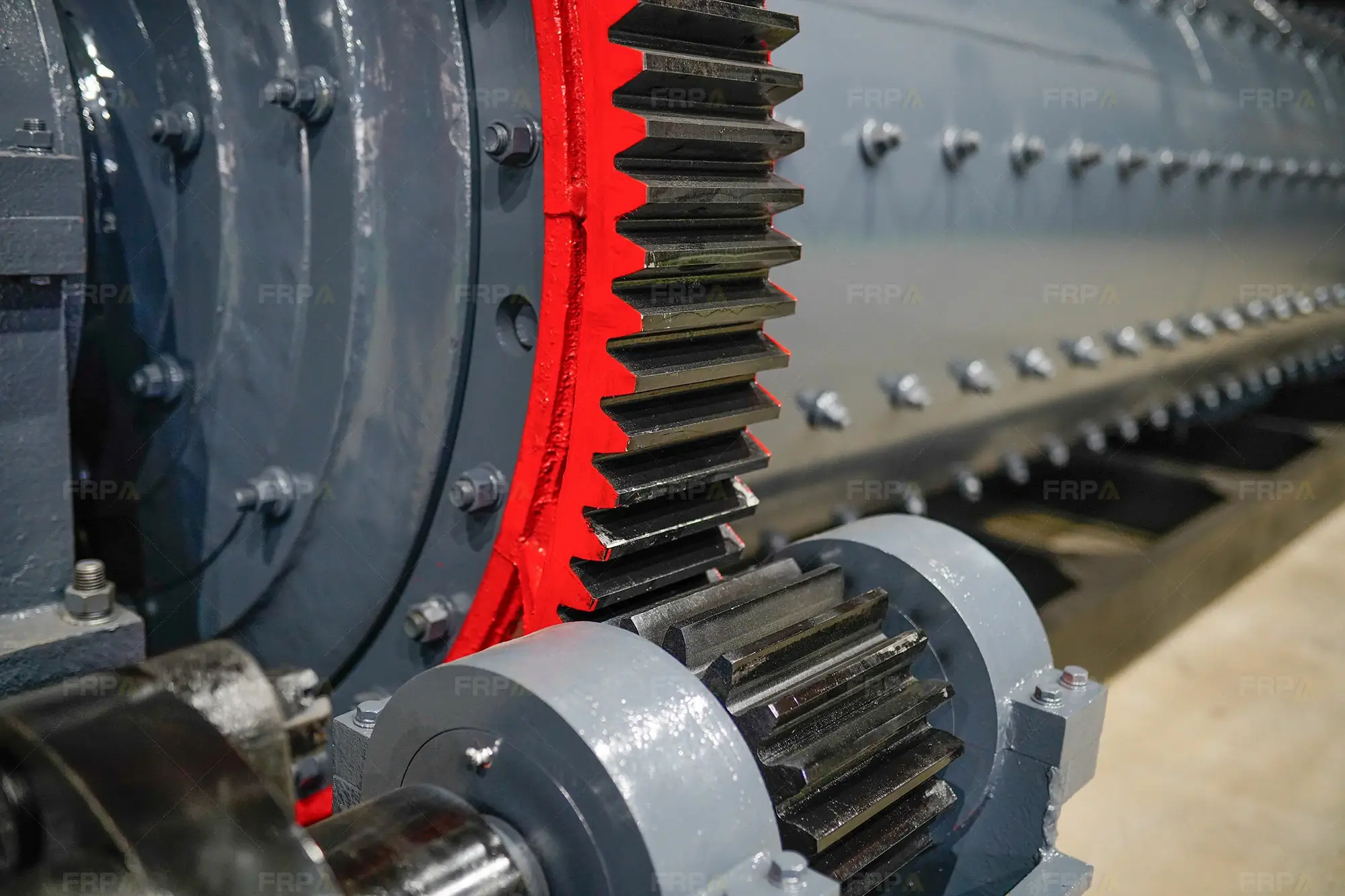
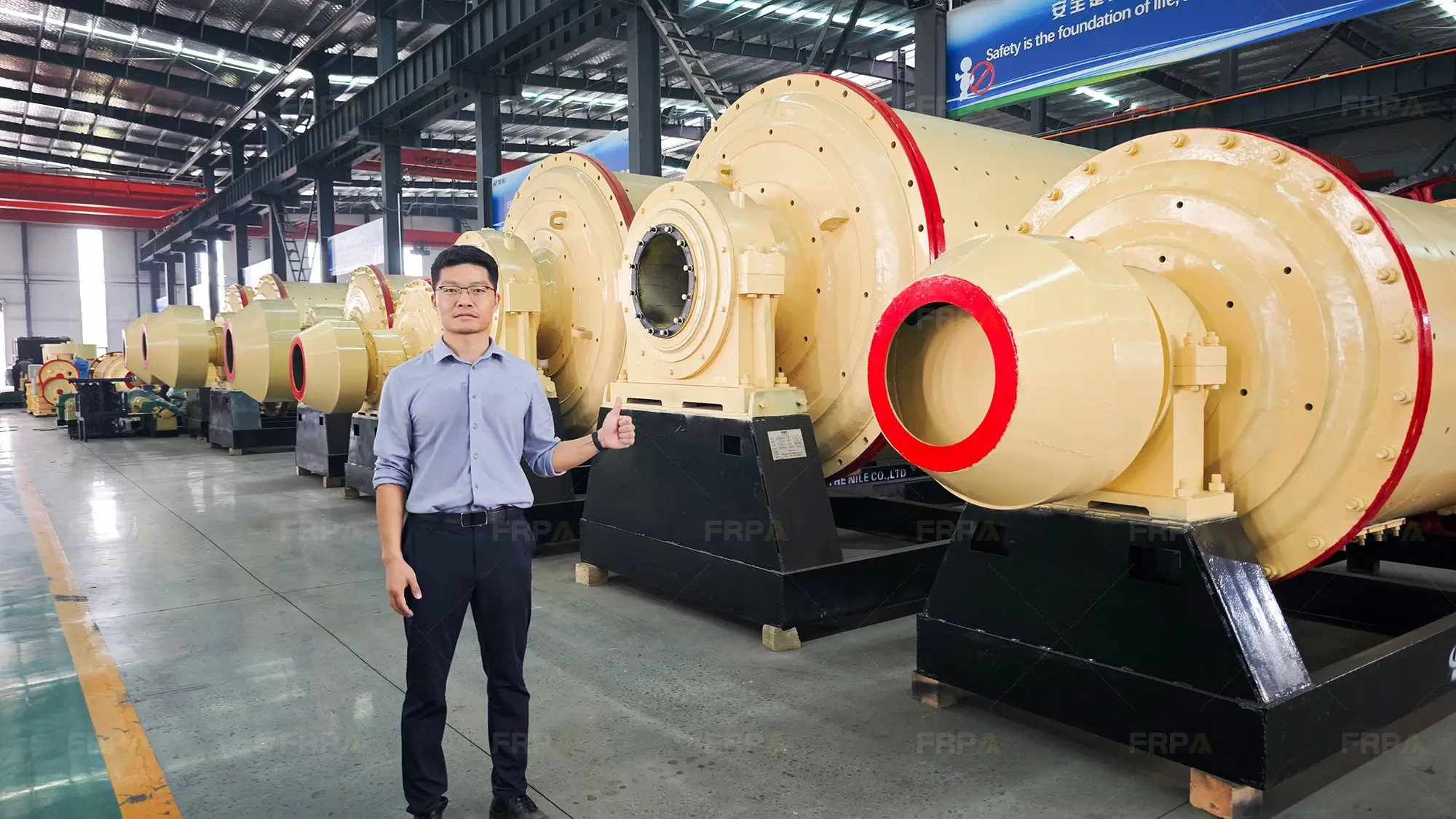
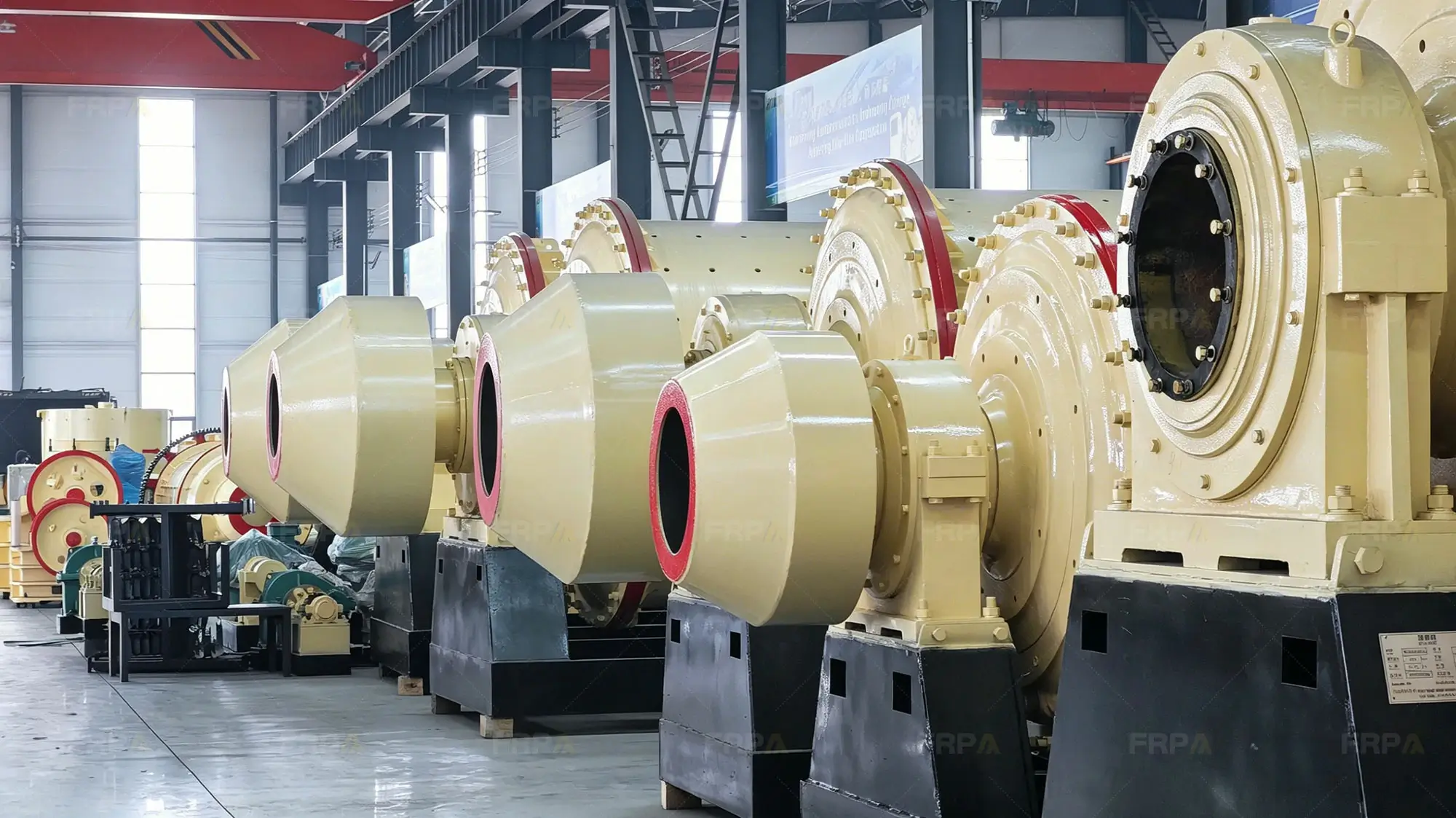
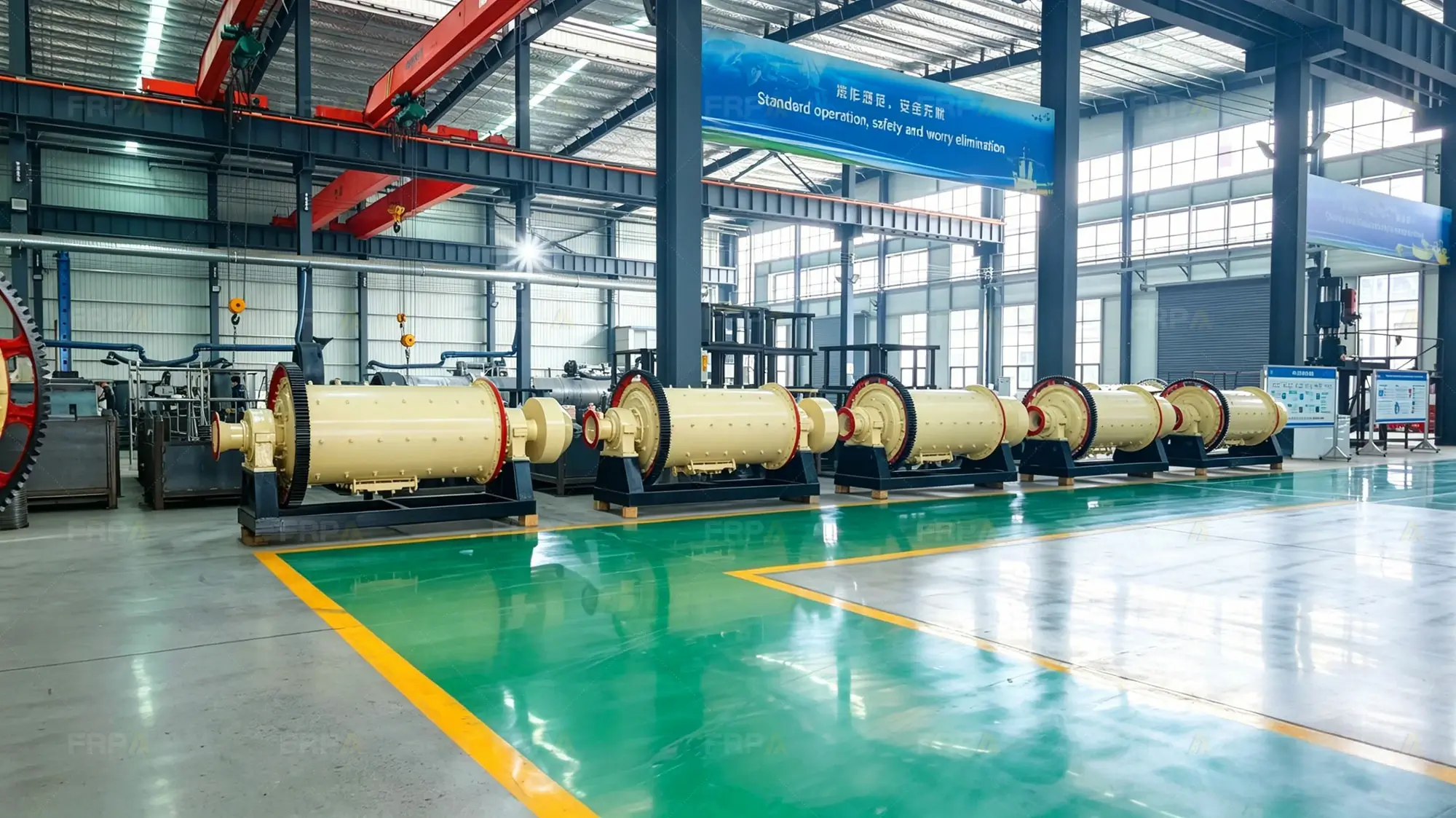
The FRP Ball Mill is designed for continuous grinding and precise particle size control in mineral processing and industrial applications. By rotating the cylinder and cascading grinding media, the mill applies both impact and attrition forces to progressively reduce material size.

Designed for 24/7 heavy-duty industrial operation, FRP ball mills are the industry standard for reliability in gold, copper, and iron ore processing plants worldwide.

Ball Mill

Key Benefits / Advantages

Dual Discharge Configurations

To optimize the grinding circuit for different processing stages, FRP offers two distinct discharge systems. The Grate Discharge model utilizes a dedicated internal grate plate to achieve "force-discharging," significantly reducing over-grinding and increasing throughput—ideal for primary grinding stages. Alternatively, the Overflow Discharge model allows material to exit naturally through the hollow trunnion, offering a simpler mechanical structure with lower maintenance requirements, perfectly suited for secondary grinding or fine-particle liberation.

Specialized Lining Systems

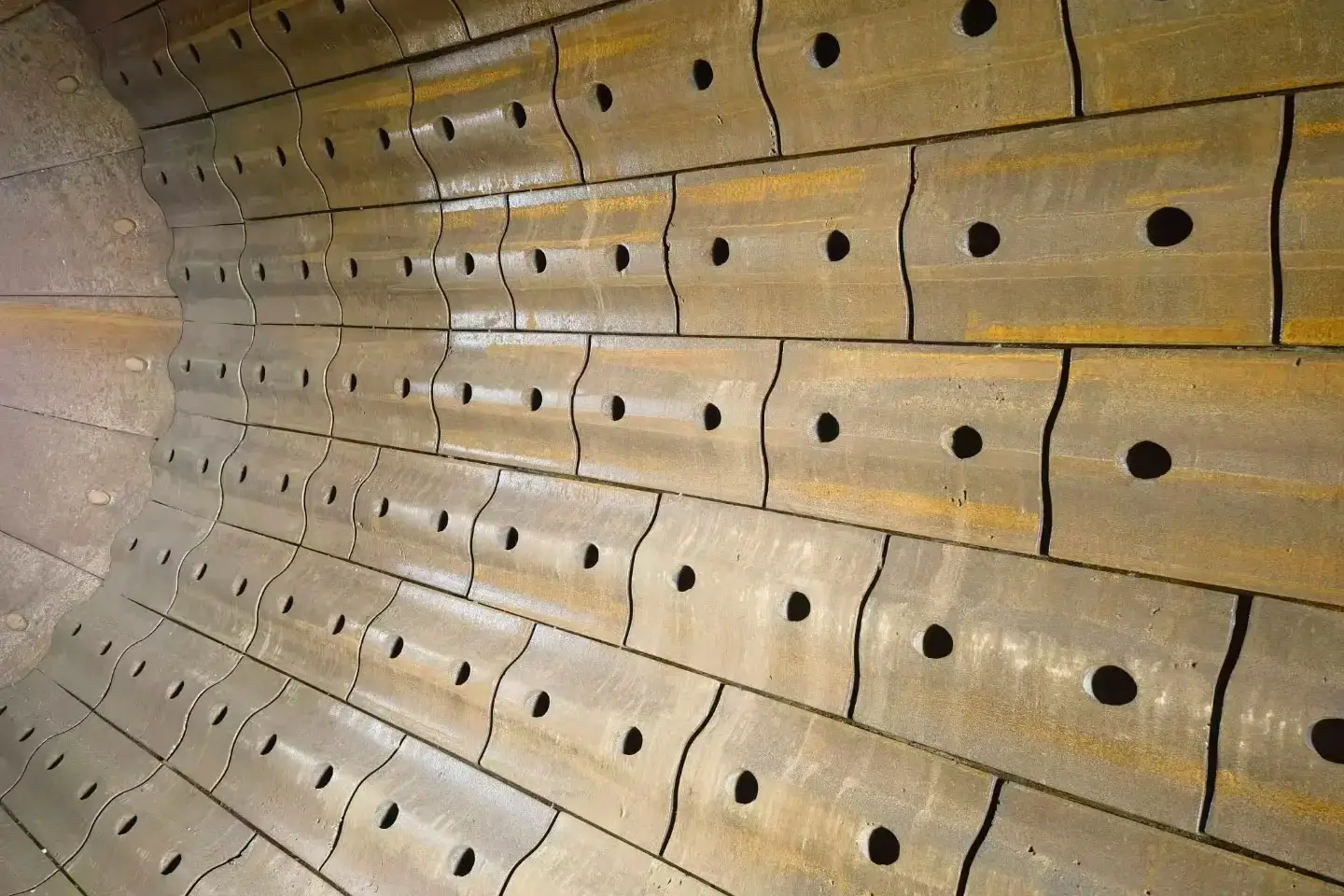
We provide a multi-material lining strategy to balance wear resistance, energy transfer, and product purity. Our High-Manganese Steel liners are engineered for heavy-duty primary grinding where high-impact toughness is essential. For industrial minerals requiring zero iron contamination, our Ceramic/Alumina linings ensure maximum product brightness and purity. Additionally, our modular Rubber Liners significantly dampen operational noise and reduce startup energy consumption while offering an extended service life in high-abrasion environments.

Dry & Wet Grinding Modes

FRP Ball Mills are engineered for extreme process flexibility, capable of being configured for either Wet or Dry Grinding applications. The wet grinding mode is optimized for large-scale mineral processing circuits, working in tandem with classifiers to achieve high-density slurries. For cement, chemical, or construction materials, our dry grinding configuration—equipped with advanced dust collection and air classification systems—ensures the production of ultra-fine, moisture-free powders that meet the most stringent industrial standards.

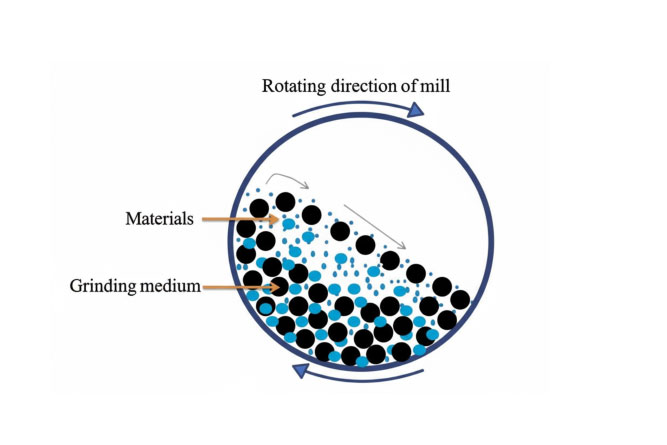
Working Principle Visual

Working Principle

The working principle of a ball mill centers on a horizontal rotating shell that lifts the internal grinding media (steel balls) to a specific "shoulder" height. Upon reaching this point, the media is released to cascade or fall under gravity. The resulting cataracting impact shatters larger rock fragments, while the cascading attrition (rolling and friction) between the balls grinds the material to the target micron fineness. The finished pulp or powder is then discharged through the outlet, driven by a natural pressure gradient or a forced grate mechanism.

Applications of ball mills

Metal Ore Beneficiation: Essential for the liberation of gold, copper, and iron ores, ensuring maximum recovery rates in flotation and leaching circuits.

Cement & Building Materials: High-efficiency grinding of clinker, gypsum, and raw meal to achieve the precise Blaine fineness required for high-strength cement.

Industrial Minerals: Provides iron-free grinding for quartz, feldspar, and ceramics using alumina liners to maintain ultra-high product purity and brightness.

Waste Recycling & Environmental: Critical for processing steel slag for metal recovery and grinding lime for Flue Gas Desulfurization (FGD) in power plants.

Engineered For Stable Particle Size Control

ball mill 6

In grinding circuits, the objective is not only size reduction, but achieving a controlled and consistent particle size distribution for downstream separation processes. Without proper classification, grinding systems tend to suffer from overgrinding, energy inefficiency, and unstable process performance.

ball-mill-(16)-2
ball-mill-(17)-2
ball-mill-liner~1
ball-mill-(9)
ball mill spiral classifier
ball-mill-(7)
ball-mill-(26)
ball-mill-(1)
ball-mill-(27)


FRP ball mills are typically integrated with classification equipment to form closed-circuit grinding systems. These systems continuously separate qualified particles from coarse material, allowing precise control of product size while maintaining stable throughput and reducing unnecessary grinding.

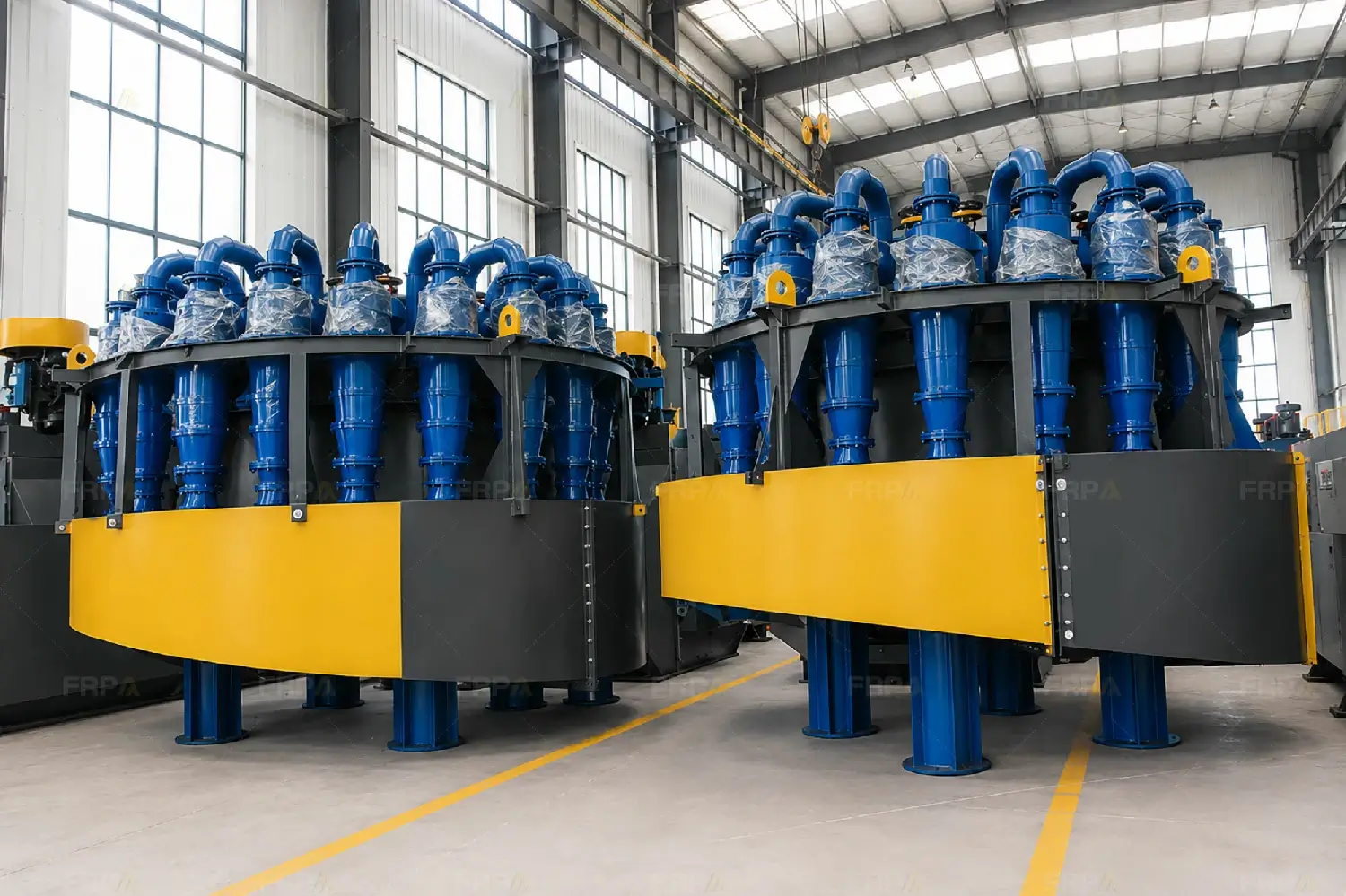
Ball Mill + Hydrocyclone

In this configuration, the ball mill discharge is fed into a hydrocyclone, where particles are classified based on size. Fine particles are directed to the next process stage, while coarse particles are returned to the mill for further grinding.

This system offers:Fast classification response; High efficiency in fine particle separation; Better control of circulating load

👉 Typical Applications:Gold, copper, and other metal ore processing; Flotation feed preparation;;Large-scale continuous grinding circuits

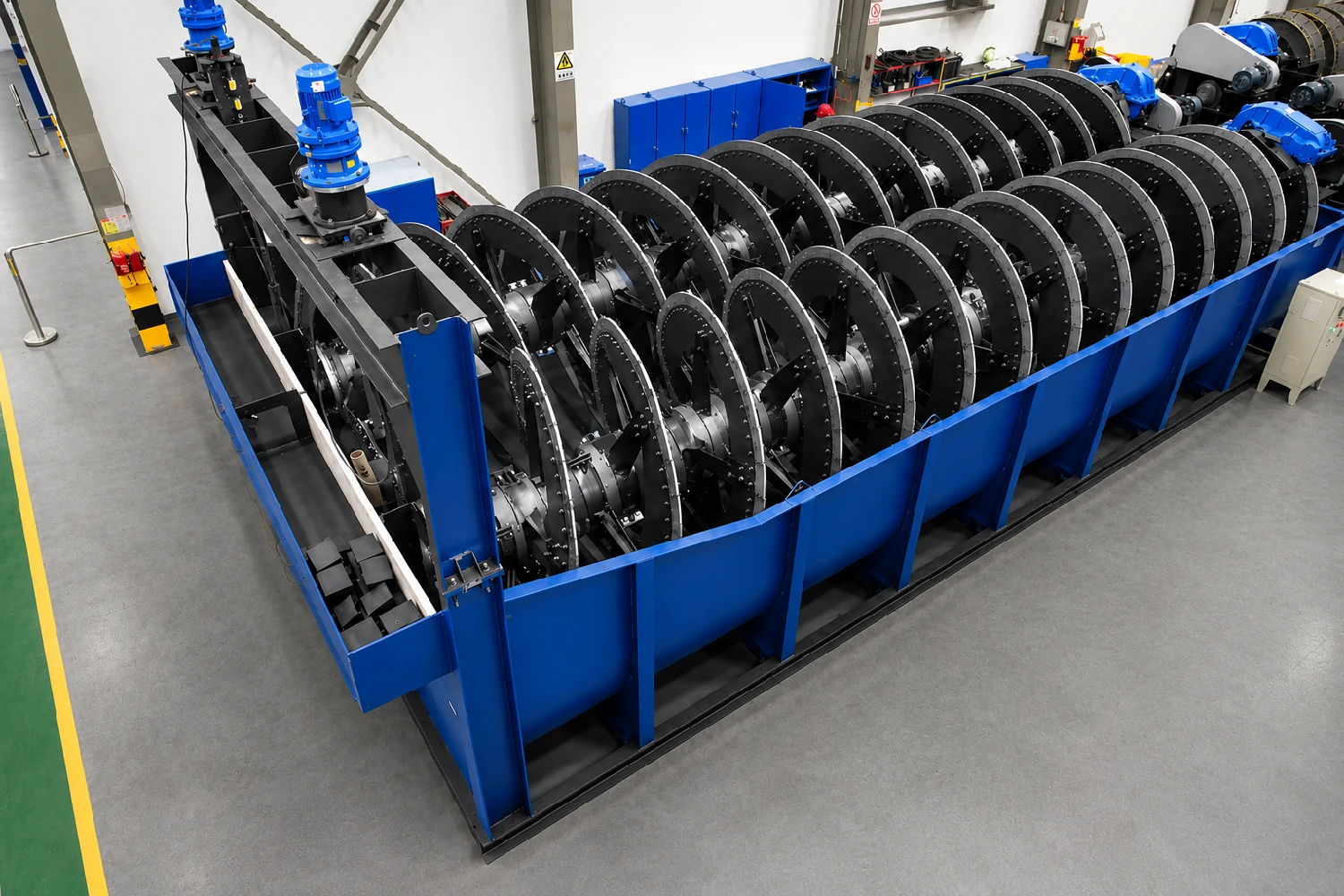
Ball Mill + Spiral Classifier

In this system, classification is achieved through sedimentation in a spiral classifier. Coarse particles settle and are returned to the mill, while fine particles overflow to downstream processes.

This configuration is characterized by:Simple structure and easy maintenance; Stable operation under variable conditions; Lower sensitivity to fluctuations in feed

👉 Typical Applications:Medium and small-scale processing plants; Operations requiring robust and simple systems; Projects with lower automation requirements

Core Value Of Grinding Circuit

The efficiency of grinding is determined not only by the mill itself, but by how effectively the system controls particle size. A properly designed grinding circuit ensures that material is only ground to the required size, reducing overgrinding and improving energy utilization.

By integrating ball mills with classification systems, FRP grinding circuits provide:Stable and predictable product size distribution; Reduced energy waste; Improved downstream separation performance; Consistent plant operation

Frequently Asked Questions

FAQ for Ball Mill

A ball mill uses spherical grinding media and is suitable for fine grinding, while a rod mill uses steel rods and is more suitable for coarse grinding with a more uniform product size and less overgrinding.
In a closed-circuit system, a classifier or hydrocyclone separates fine particles from coarse ones. Coarse material is returned to the mill for further grinding, which helps control particle size distribution and reduce overgrinding.
Performance is influenced by feed size, ore hardness, mill speed, grinding media configuration, liner design, and the efficiency of the classification system. Proper design and operation are essential for optimal grinding results.

Built for Uptime.
Backed All the Way.

We don't just deliver machines — we deliver assurance.

From installation to long-term service, we're by your side with ongoing support to keep your equipment running at its best.

Contact Today

Technical Data of Ball Mill

Model Cylinder Diameter (mm) Cylinder Length (mm) Effective Volume (m³) Max. Ball Loading (t) Speed (r/min) Main Motor (kW)
MQG-1557 1500 5700 8.5 12 28 130
MQG-1564 1500 6400 9.6 13 28 155
MQG-1864 1830 6400 15 20 23.8 210
MQG-1870 1830 7000 16 22 23.8 245
MQG-1880 1830 8000 18.8 26 23.8 280
MQG-2170 2100 7000 22 30 24.1 320
MQG-2175 2100 7500 23.5 33 24.1 355
MQG-2265 2200 6500 22 35 21.7 380
MQG-2270 2200 7000 23.8 38 21.7 380
MQG-2275 2200 7500 25.5 42 21.7 450
MQG-2470 2400 7000 28 52 21.7 570
MQG-2480 2400 8000 32 60 21.5 630
MQG-2750 2700 5000 25.8 54 20.7 630
MQG-2760 2700 6000 31 65 20.6 710

Note: Specifications are subject to change without notice due to ongoing product improvement.

How can we help?

Have a question, need advice, or want to schedule an appointment? We're happy to assist with any inquiries you have about our equipment and system solutions.

    Home Tel Mail Inquiry