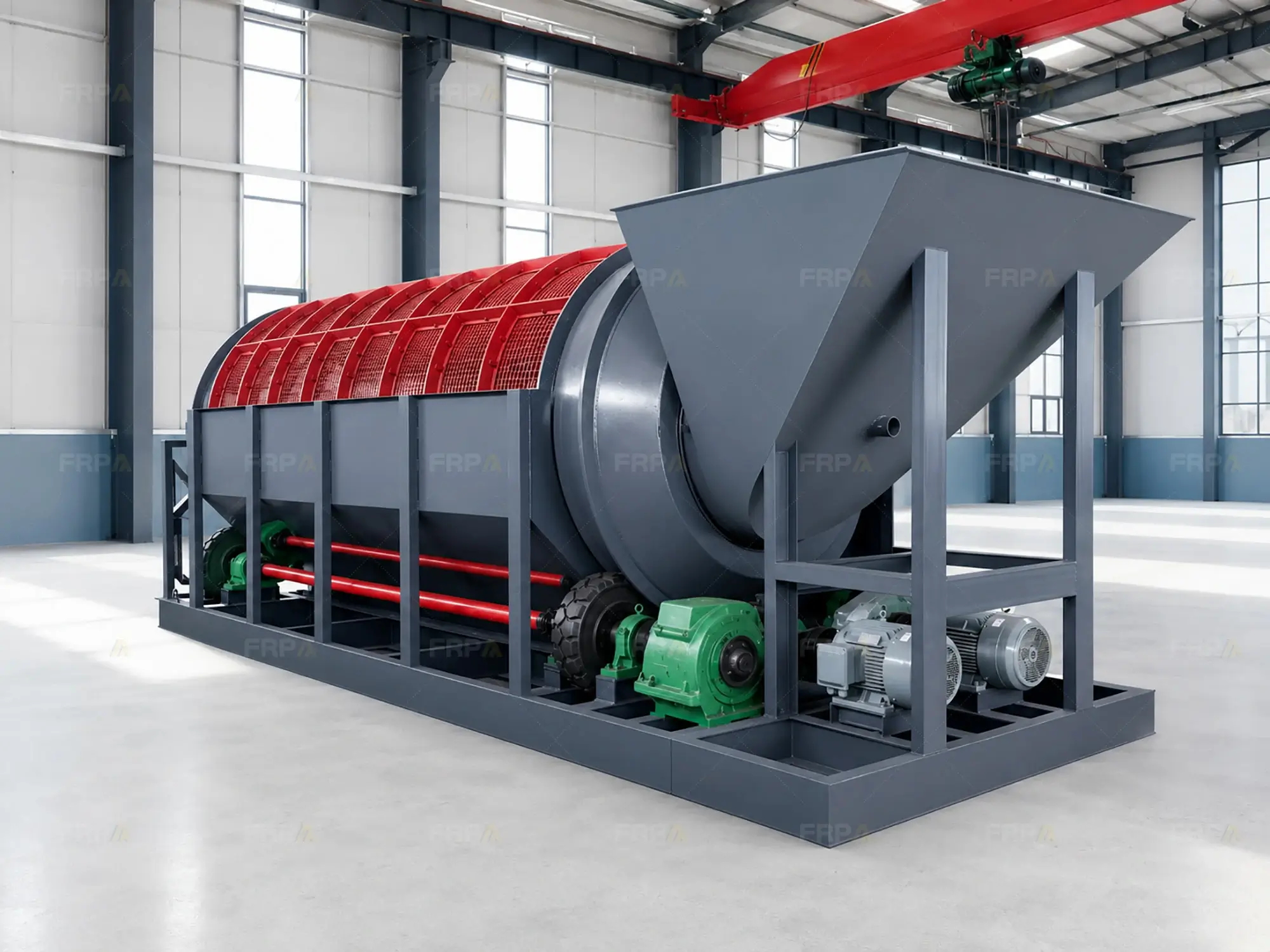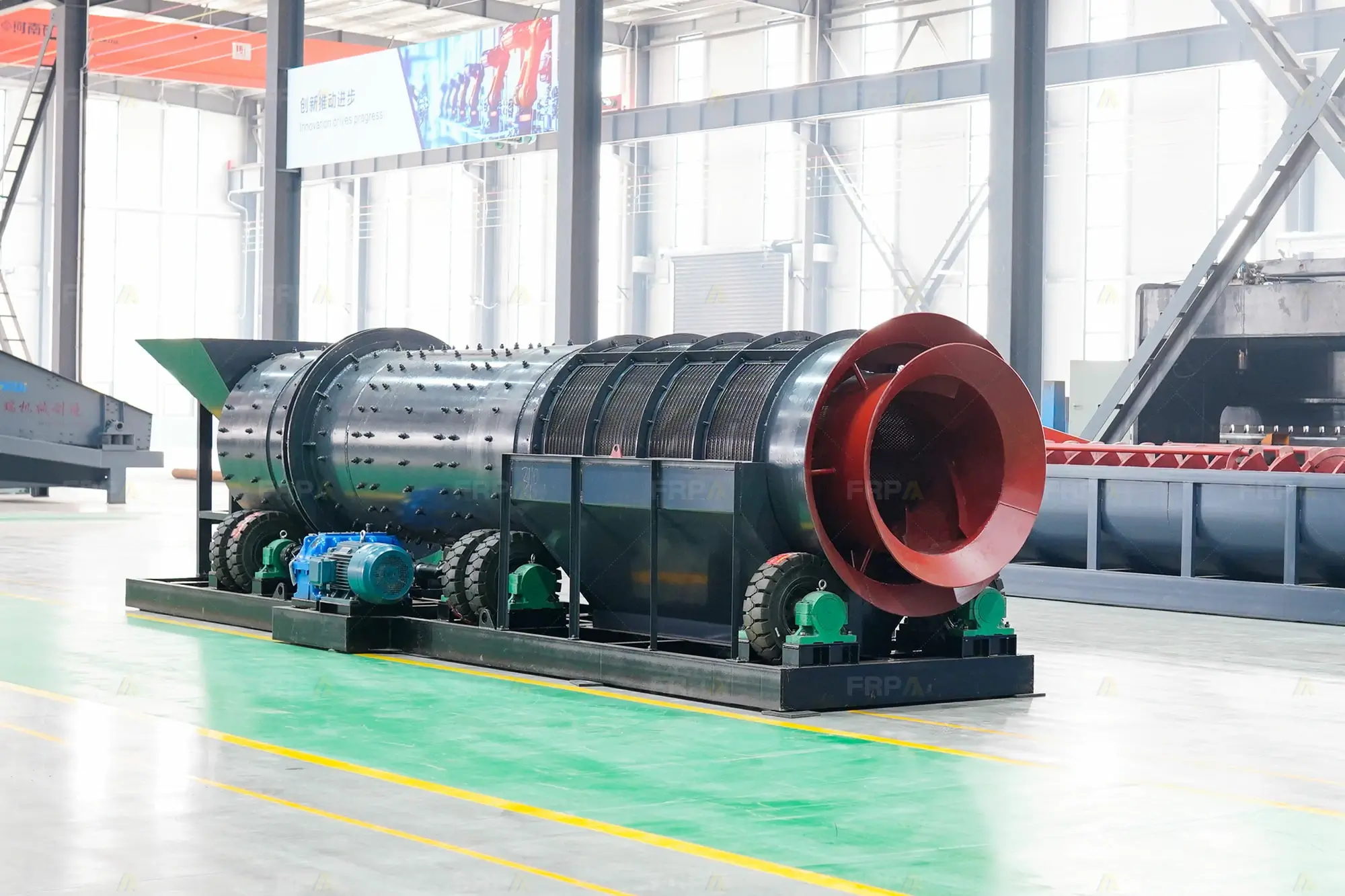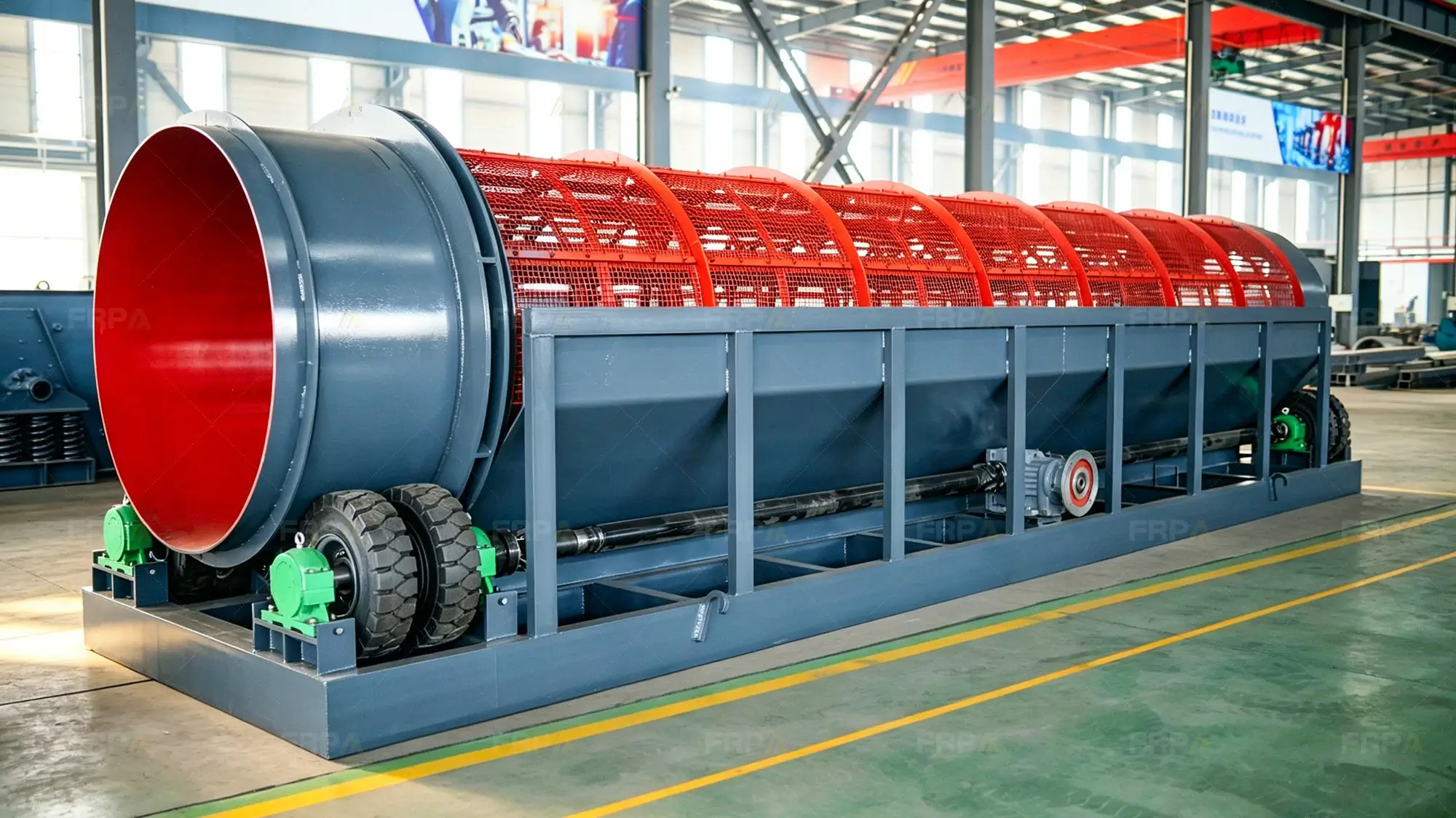
No Clay? Use a Trommel Screen
Max feed size:300 mm
Action:Washing & screening






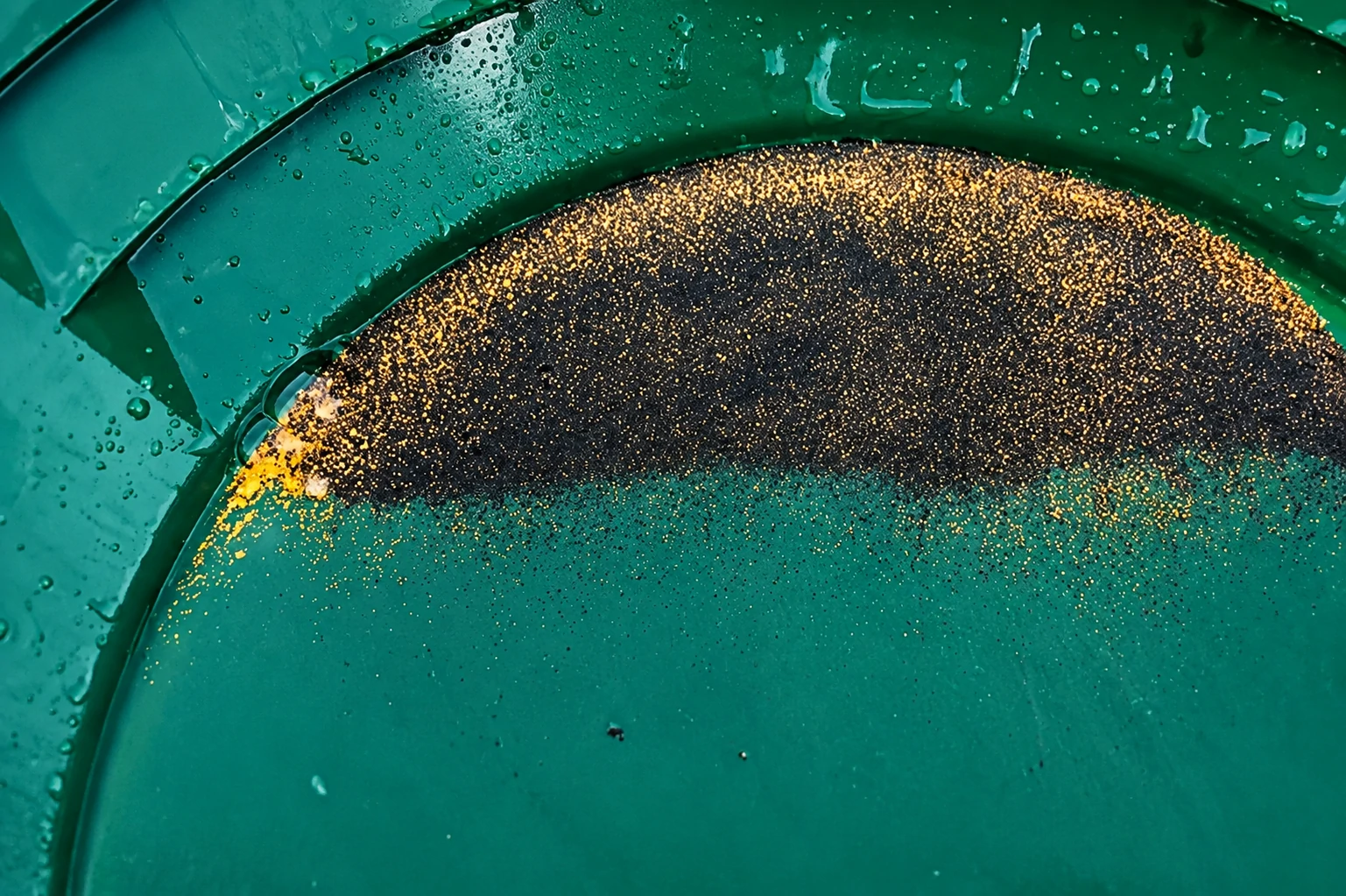
In alluvial gold mining, the greatest frustration isn't failing to find gold—it's watching it wash away in the tailings. Many operators invest heavily in wash plants only to find actual recovery rates falling far below expectations. Profit is frequently lost in overlooked details: inadequate upstream liberation and the physical inability to capture fine gold.
To genuinely improve alluvial gold recovery rates, operations must address two critical pain points: clay-bound gold and the physical loss of fine gold. This guide approaches alluvial gold processing from a practical engineering standpoint, detailing how precise equipment selection can stop these profit leaks.
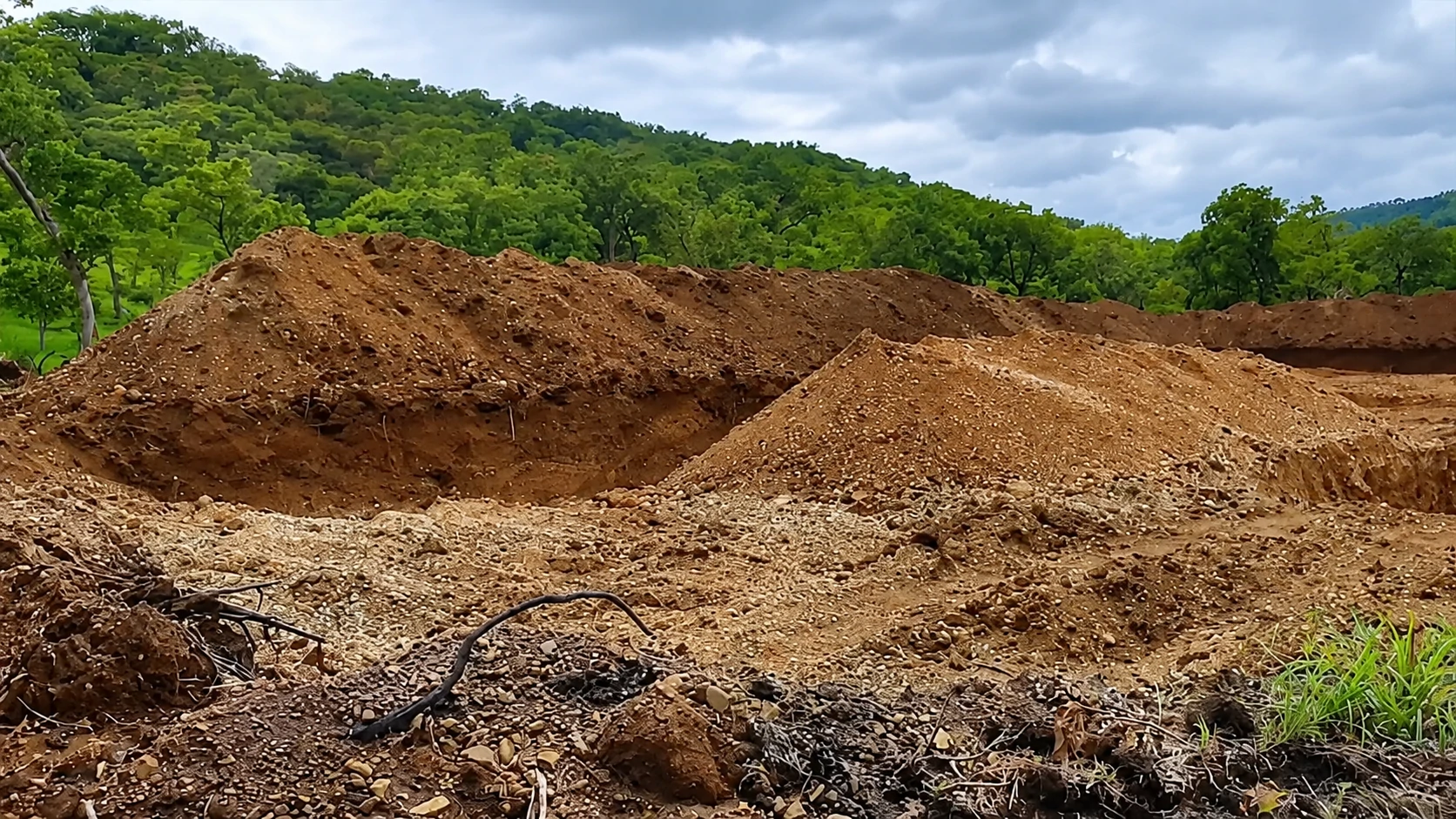
Alluvial ores often contain clay. If not handled correctly, gold particles remain encapsulated in clay lumps and are discharged with the tailings. No downstream recovery equipment, no matter how advanced, can extract locked gold. In engineering practice, you must adopt a tiered processing strategy based on clay content and plasticity:
For riverbed gravel ores with minimal clay, gold is typically already free or semi-free. Complex scrubbing is unnecessary. In this scenario, using a standard trommel screen with water spraying is sufficient. As material tumbles inside the drum, the water washes away the thin layer of mud coating the gravel while simultaneously screening the material.
When the ore contains a high volume of clay but the clay has low plasticity and does not form hard lumps, a standard trommel screen will not clean it effectively. A trommel scrubber is the most practical solution. Equipped with internal lifter bars, the scrubber continuously lifts and drops the material, creating mechanical friction. Combined with internal water flushing, this action breaks loose clay lumps and releases gold from the gangue.
This is the toughest challenge in alluvial processing. In deposits with plastic and sticky clay, gold can be trapped tightly inside clay lumps. A log washer provides stronger forced scrubbing. The rigid blades inside the tank subject the material to intense agitation, kneading, and shearing to release tightly bound gold particles.
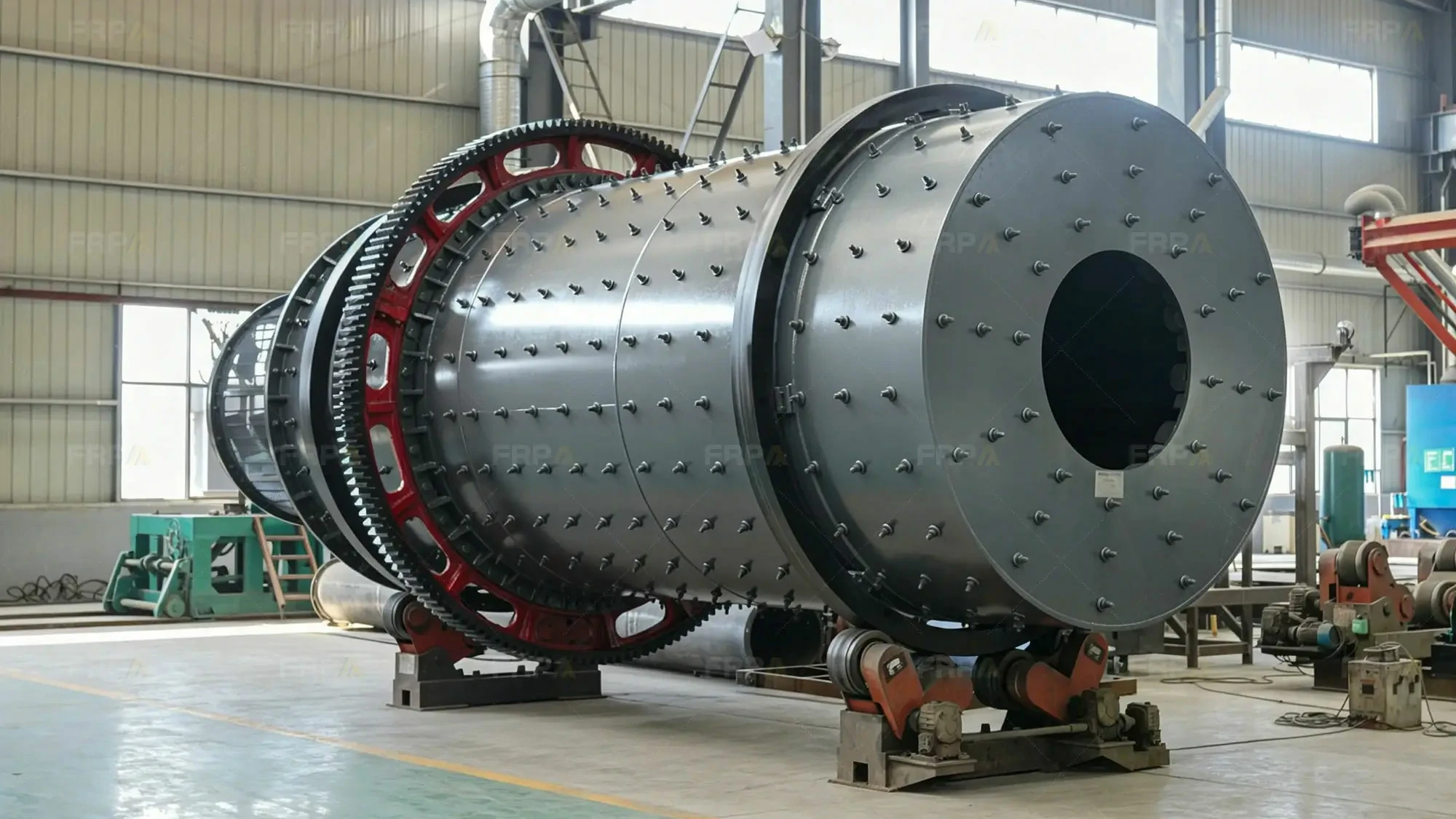
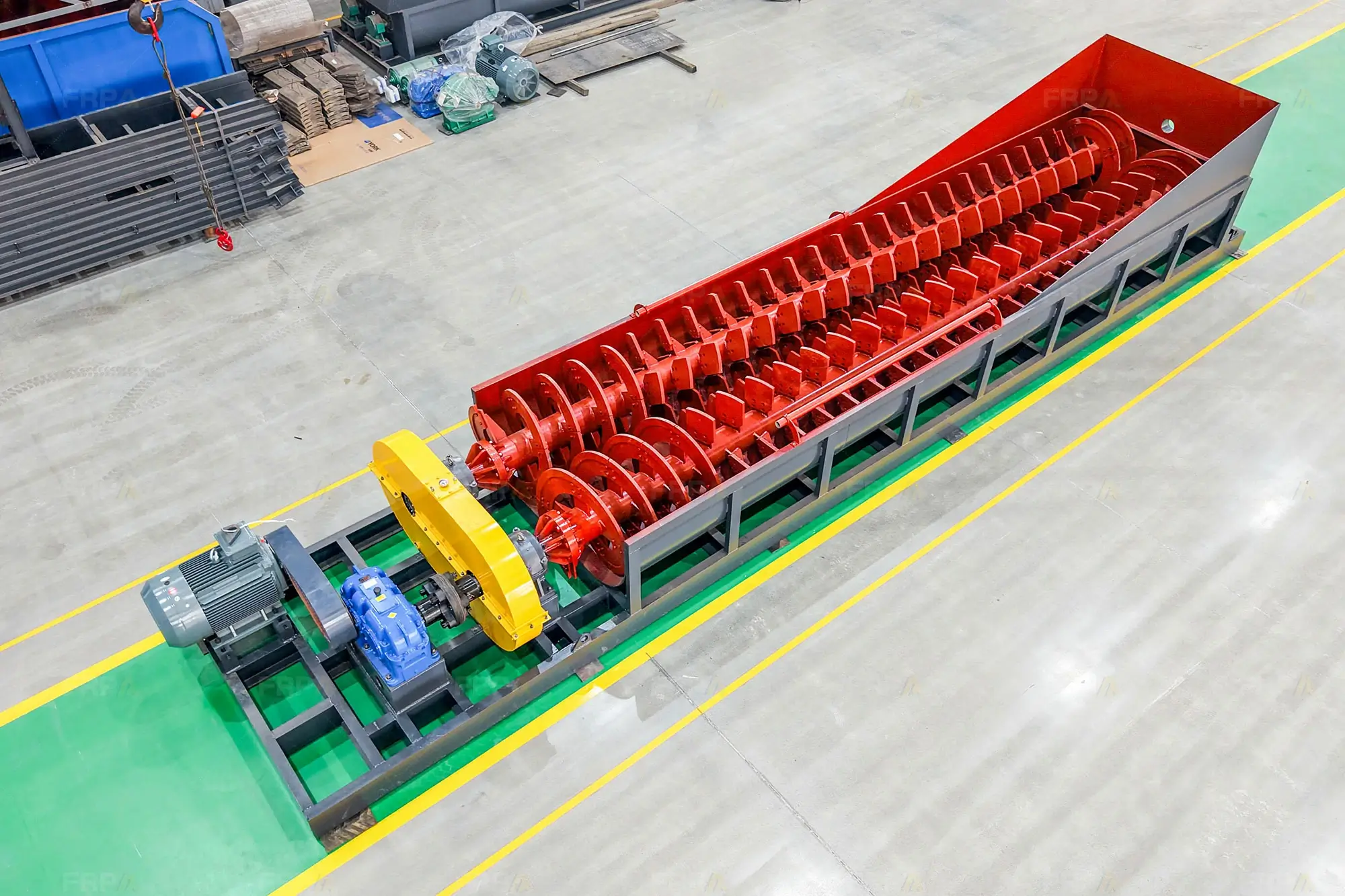
The Iron Rule of Equipment Selection: Failing to match equipment to clay type is the root cause of plant failure.
Once liberated, micron-sized fine gold and flat gold flakes are difficult to trap in standard sluice boxes. Water turbulence can lift these light particles and carry them away. Gravity separation has a natural limit for fine gold recovery, which is why centrifugal force is often introduced after the sluice stage.
For large-scale mining operations with high processing capacity, high-grade ore, and sufficient budget, a premium centrifugal concentrator can be a strong investment. For many small and medium-scale mines, marginal-grade deposits, or early-stage exploration projects, however, the initial capital cost must be carefully balanced against expected gold recovery.
For projects that need fine gold recovery but cannot justify a very high capital investment, the GTD centrifuge provides a practical solution. Its value lies in balancing recovery performance, equipment cost, and long-term operating stability.
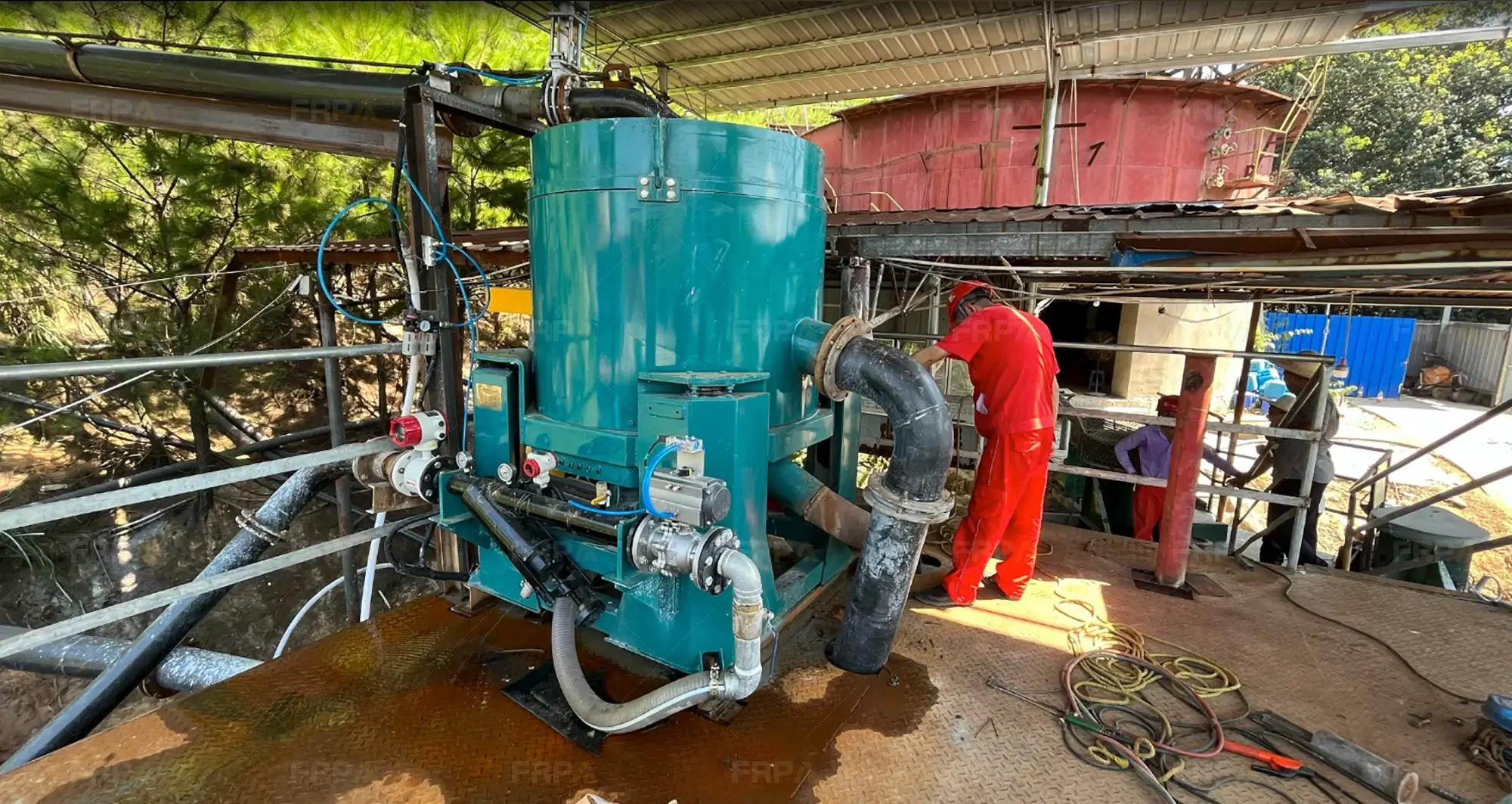
A high-ROI alluvial gold wash plant must be designed as a precise closed loop based on ore characteristics:
No clay? Go straight to a trommel screen. Loose clay? Use a trommel scrubber. Wet sticky clay? Use a log washer. The goal is to release gold before recovery begins.
The underscreen material from the washing stage first passes through a sluice box to trap coarse and visible gold at low operating cost.
Sluice tailings are pumped to a centrifuge to recover fine gold and reduce final tailings grade.
Alluvial gold processing is rigorous engineering. Upstream washing without analyzing clay type is blind, and equipment selection without calculating ROI is wasteful. Precisely liberate the clay and rationally select your centrifugal equipment to maximize the value of every ton of raw ore fed into your plant.
Is your ore low-clay gravel, standard muddy aggregate, or wet sticky laterite? Don't let mismatched equipment drain your mine's profits.
Have a question, need advice, or want to schedule an appointment? We're happy to assist with any inquiries you have about our equipment and system solutions.