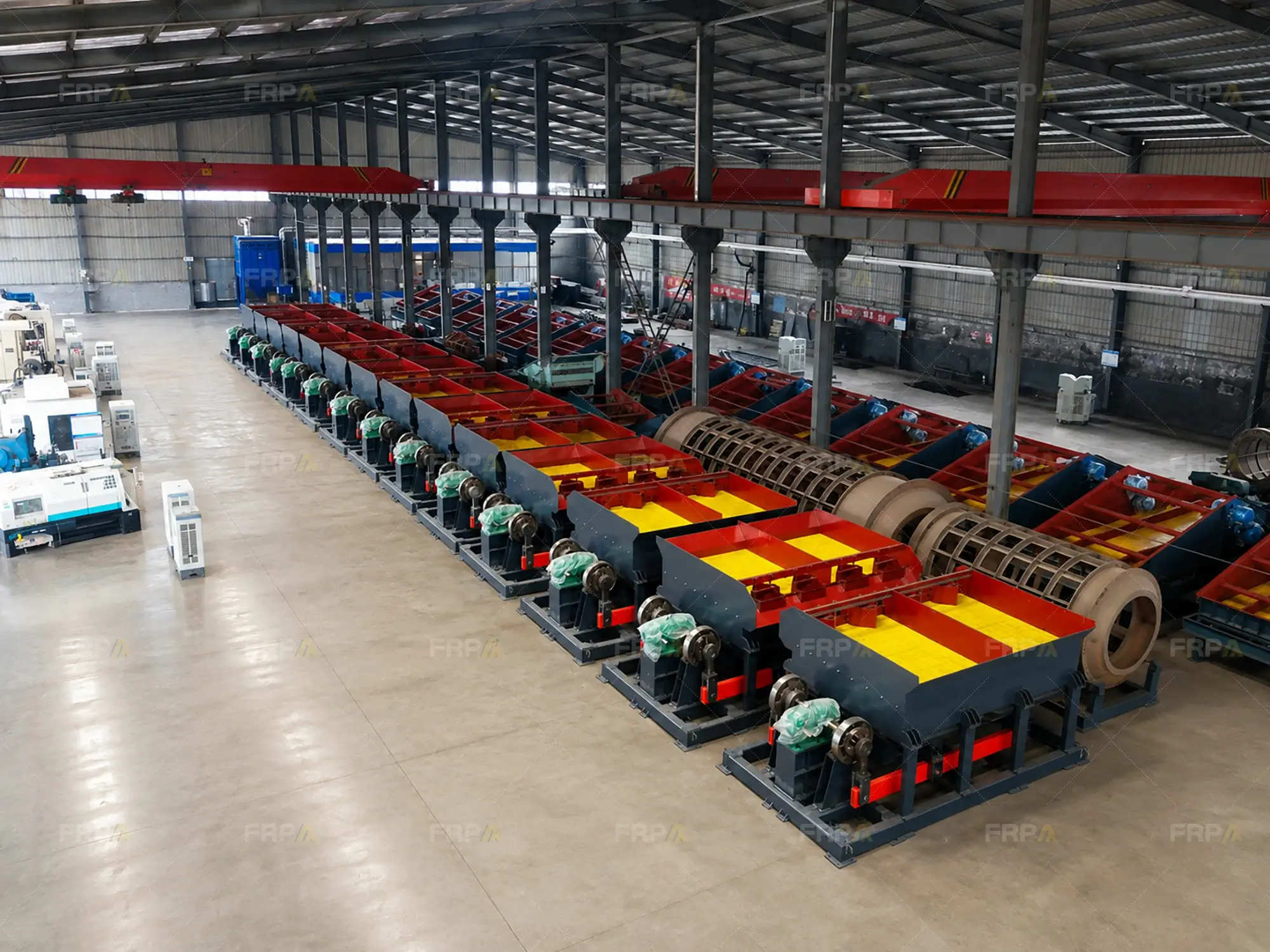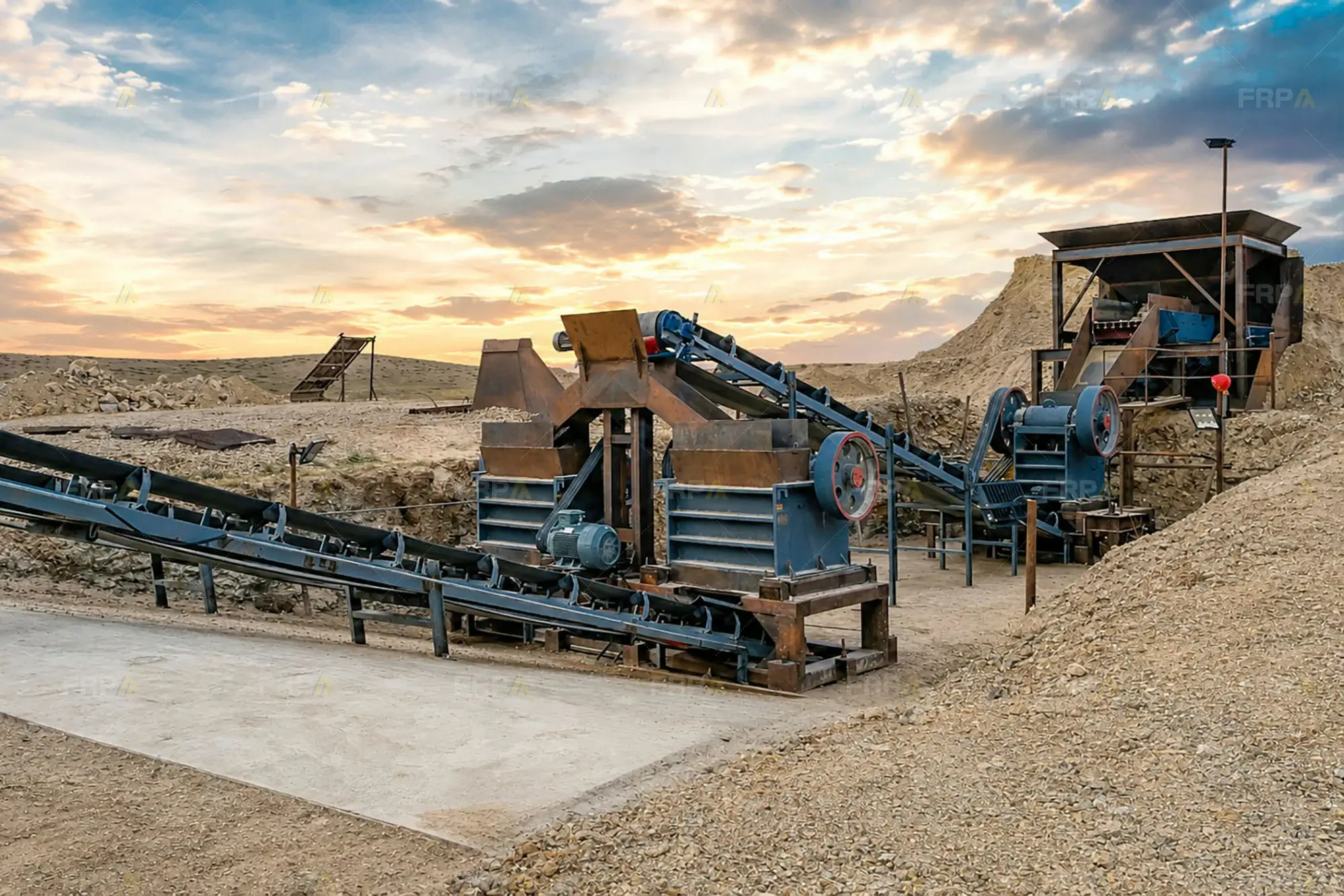





Location
Xianyang, Hubei, China
Material
Run-of-Mine Limestone
Designed Capacity
1000 TPH
Peak Throughput
1300 TPH
In quarry operations, screening is often considered a basic step. However, when the feed consists of mixed boulders, stones, and fines, screening becomes a critical factor that directly influences product value, plant stability, and overall profitability.
This project in Hubei demonstrates how a properly engineered limestone screening system enabled the client to convert low-value mixed material into clearly classified, marketable products, while maintaining stable operation under both heavy impact and wet seasonal conditions.
The client operates in a region rich in limestone resources. However, like many quarry sites, the run-of-mine material was highly mixed, with large lumps, smaller stones, and fines entering the system together without clear separation.
For downstream customers, this type of material required additional handling, offered limited usability, and reduced processing efficiency. As a result, the entire batch was typically sold at a lower price, despite the inherent value of the limestone itself.
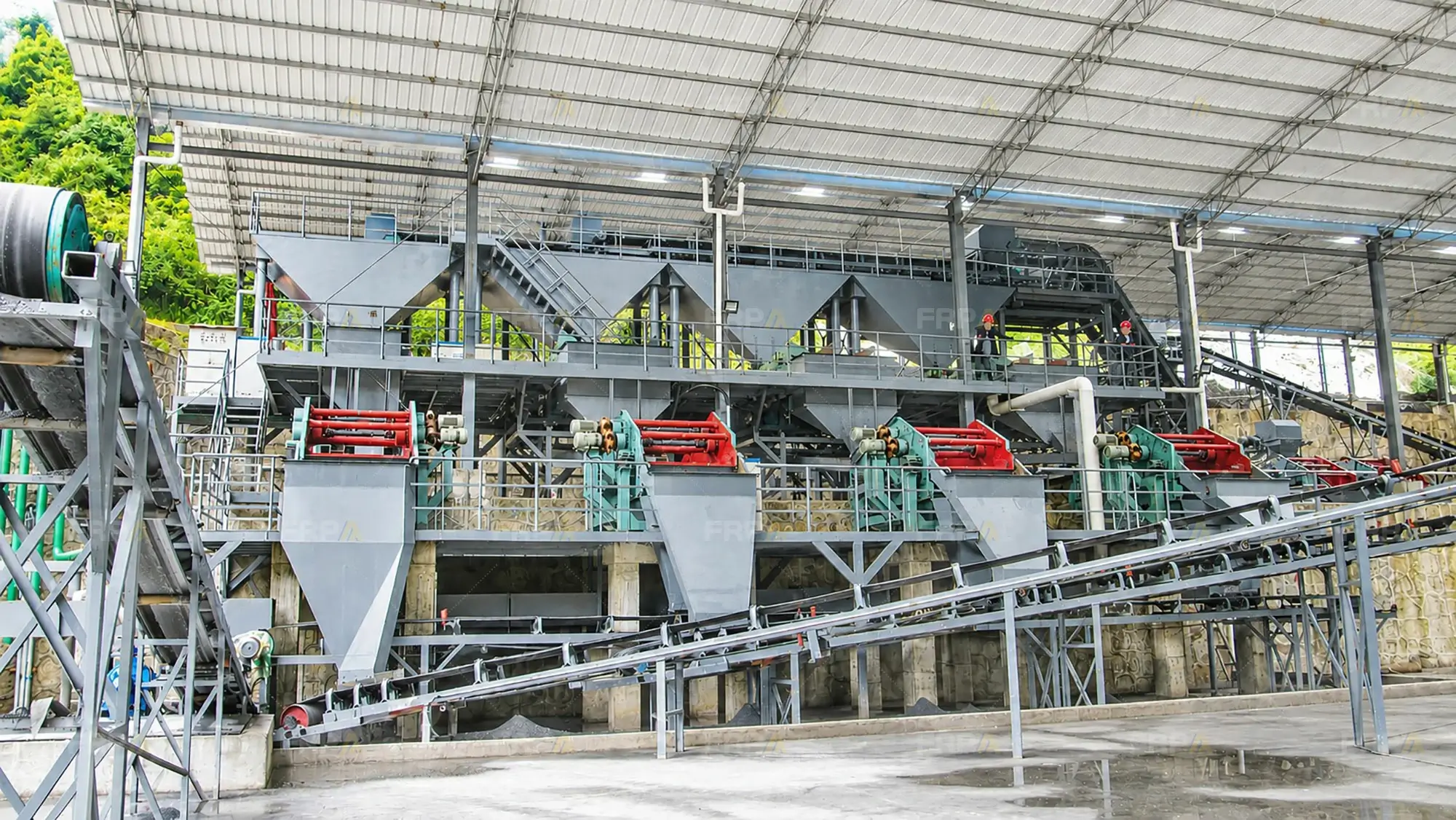
To address this issue, the client decided to install a high-capacity screening line to separate the material into two defined fractions: material larger than 10 cm and material smaller than 10 cm. The objective was straightforward—to improve product classification and achieve better pricing—but the operating conditions made the project technically demanding.
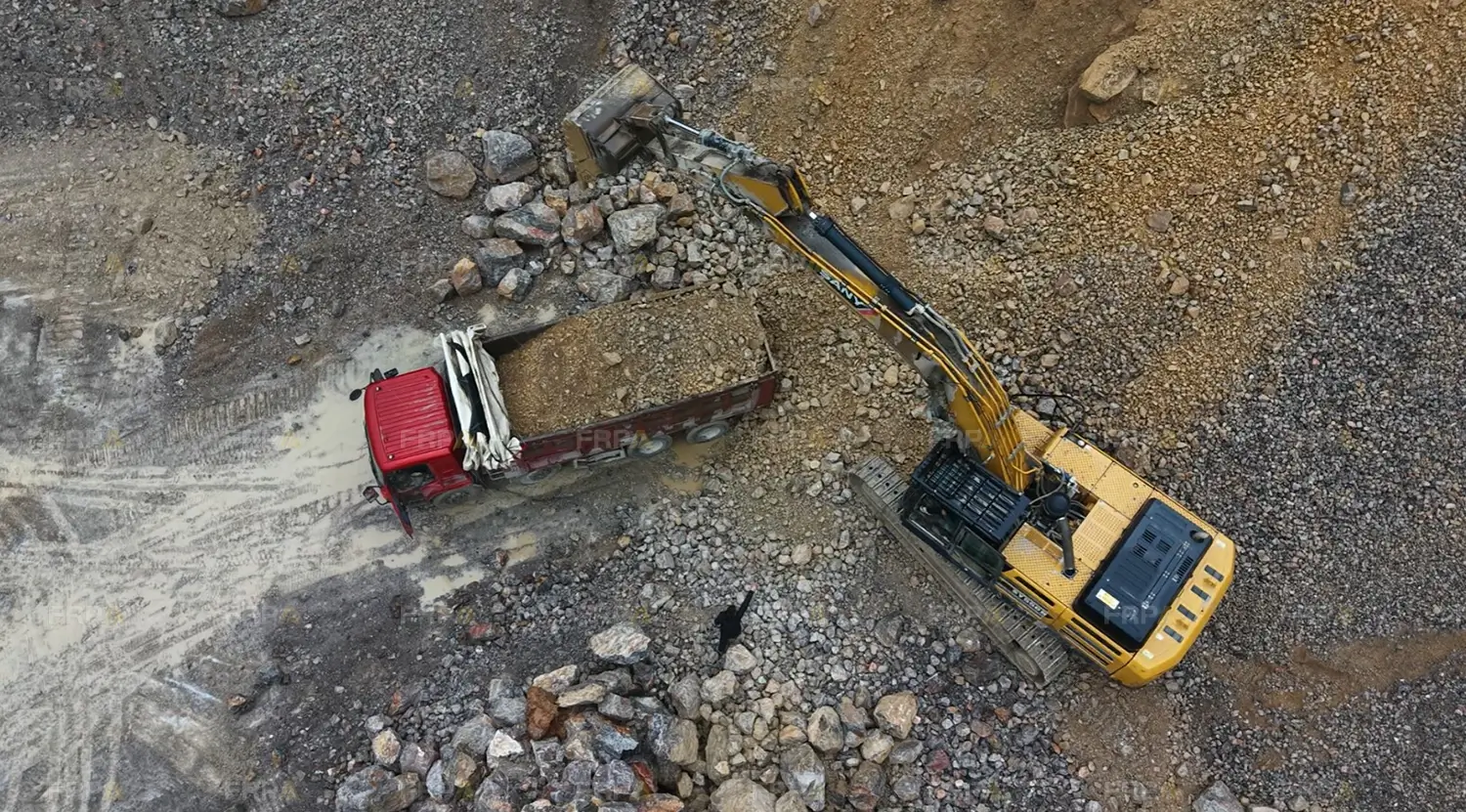
Run-of-Mine Limeston
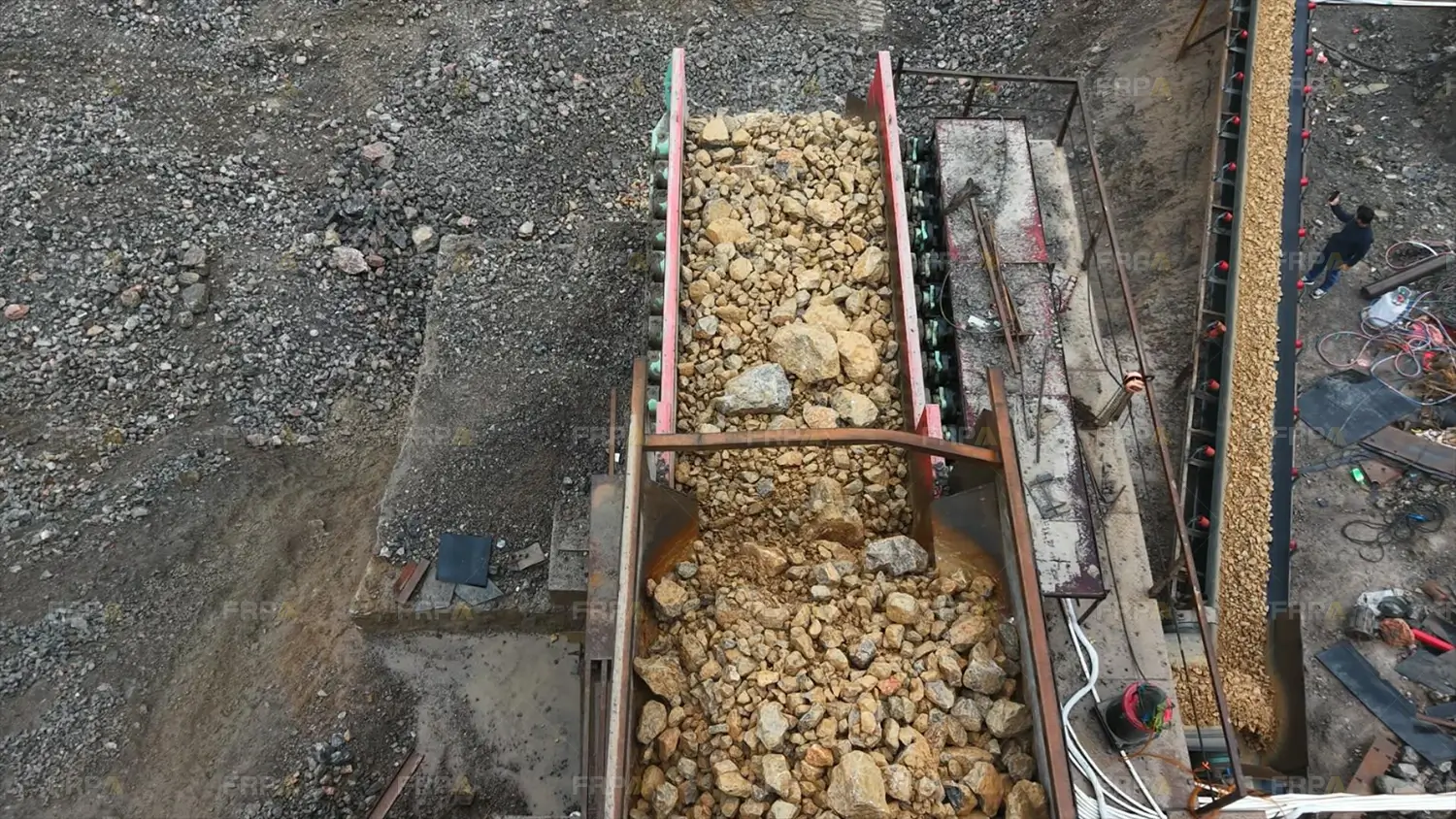
Oversize Limestone
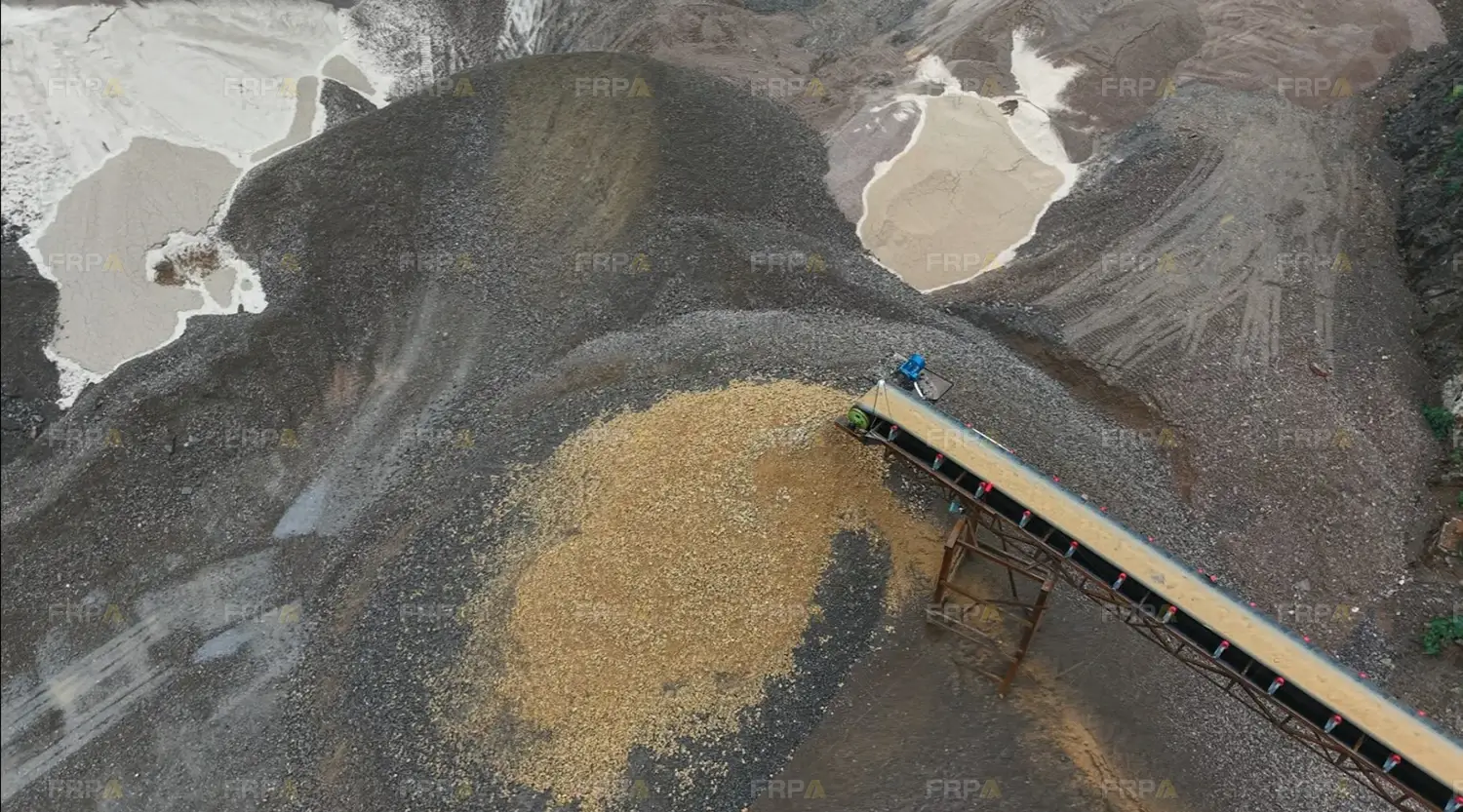
Undersize Material
The first challenge was continuous impact. The feed contained a significant number of oversized rocks, and the loading area was exposed to repeated heavy impacts from falling material. In a system of this scale, impact is not an occasional disturbance but a constant structural load. Without sufficient mechanical strength, equipment deformation, abnormal vibration, and long-term fatigue damage become unavoidable, ultimately affecting system stability.
The second challenge was moisture during the rainy season. As fine limestone mixed with water, the material became sticky and difficult to handle. Wet fines tended to adhere to larger rocks, forming a typical “coating” effect. This reduced screening efficiency, caused material build-up inside the equipment, and often required manual cleaning. For a 1000 TPH operation, such interruptions directly translate into production loss.
FRP approached the project with a clear engineering principle: manage impact at the feeding stage and maintain material movement during screening to prevent clogging.
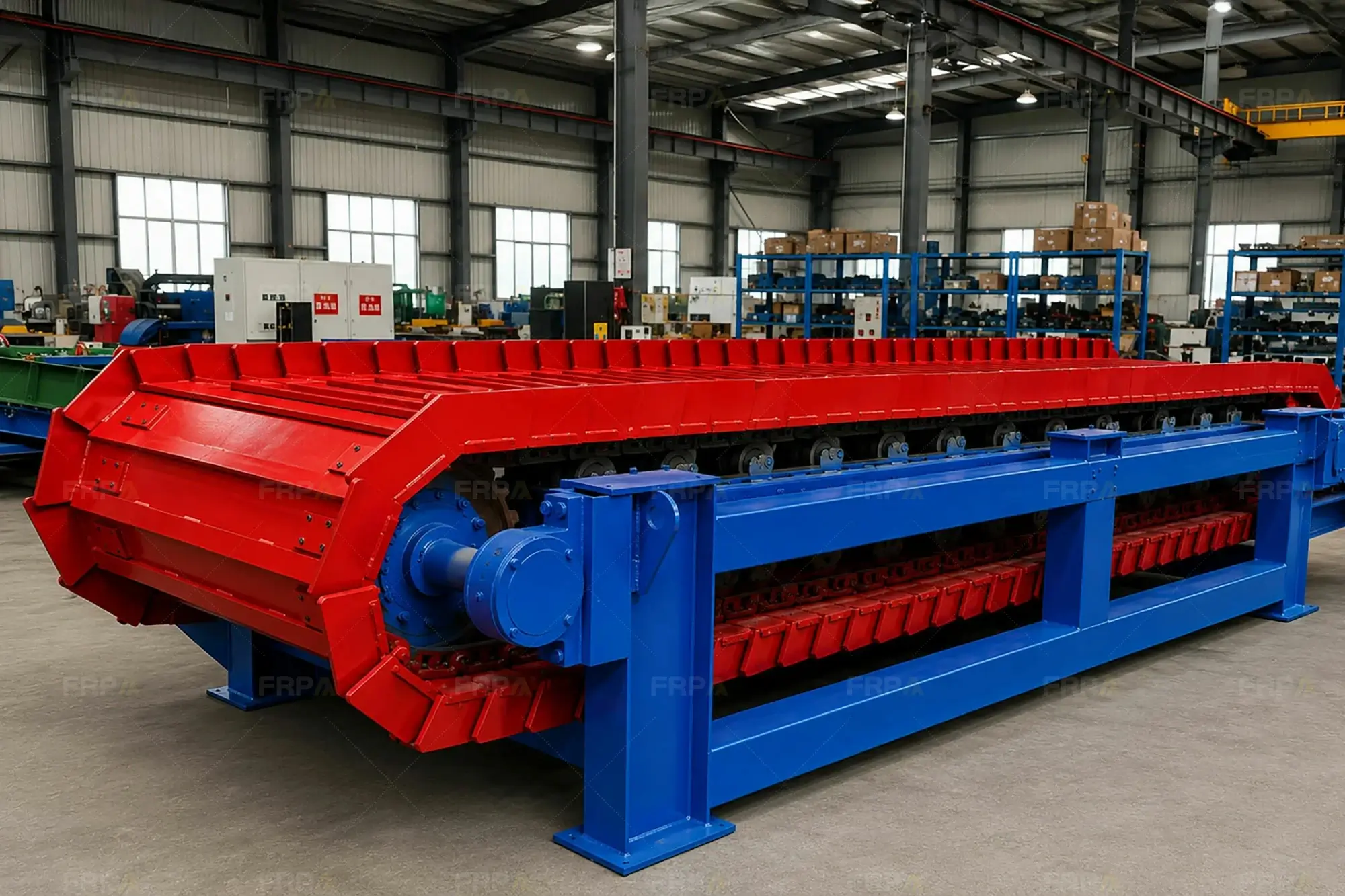
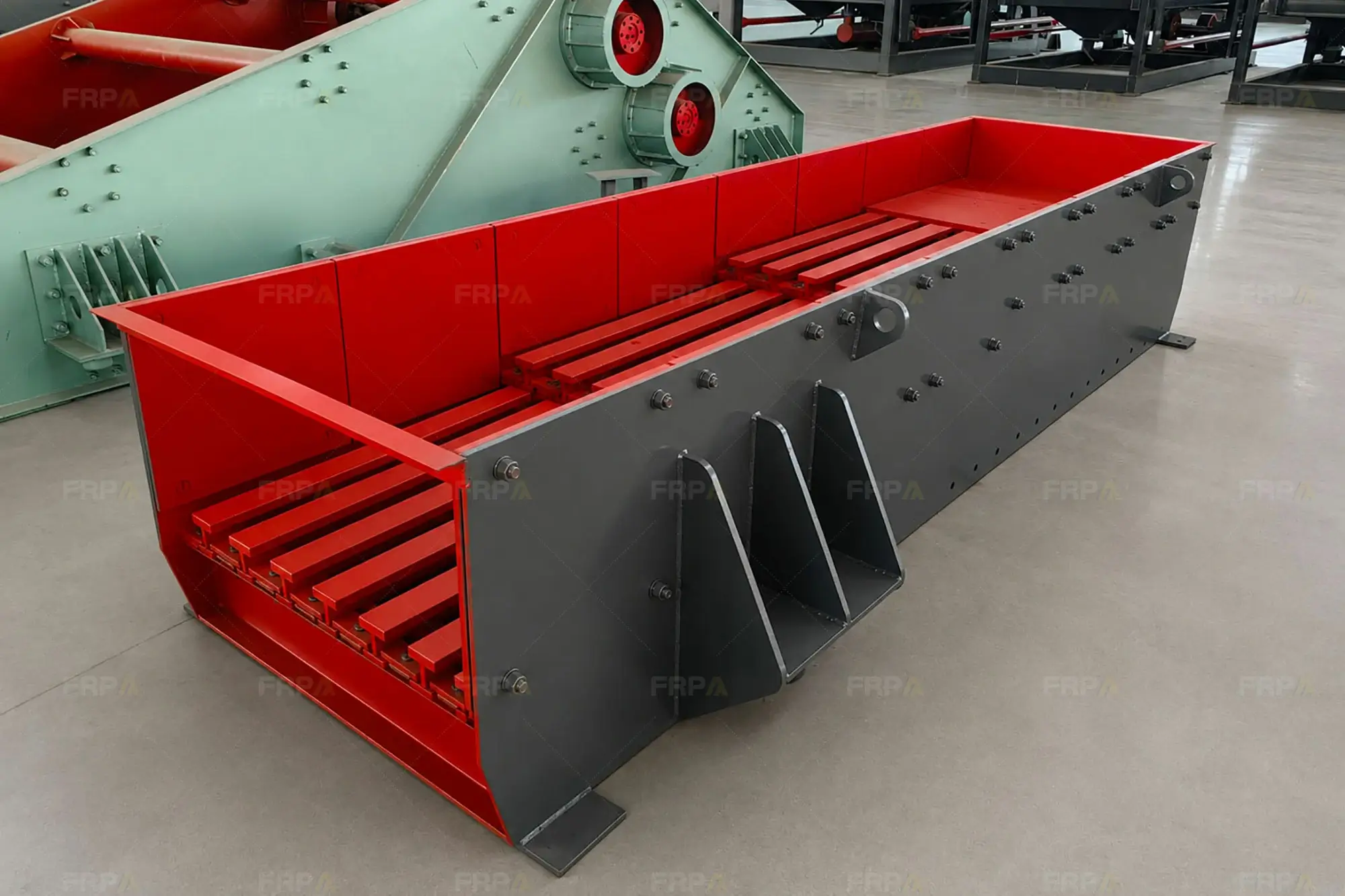
At the feeding stage, a heavy-duty apron feeder was installed to withstand continuous impact loading. The machine was equipped with 20 mm reinforced impact plates, high-tensile chains, and a rigid welded frame, allowing it to absorb repeated impact from large limestone without structural deformation or premature fatigue. An integrated anti-leakage design ensured stable and controlled material flow, which is essential for high-capacity operations.
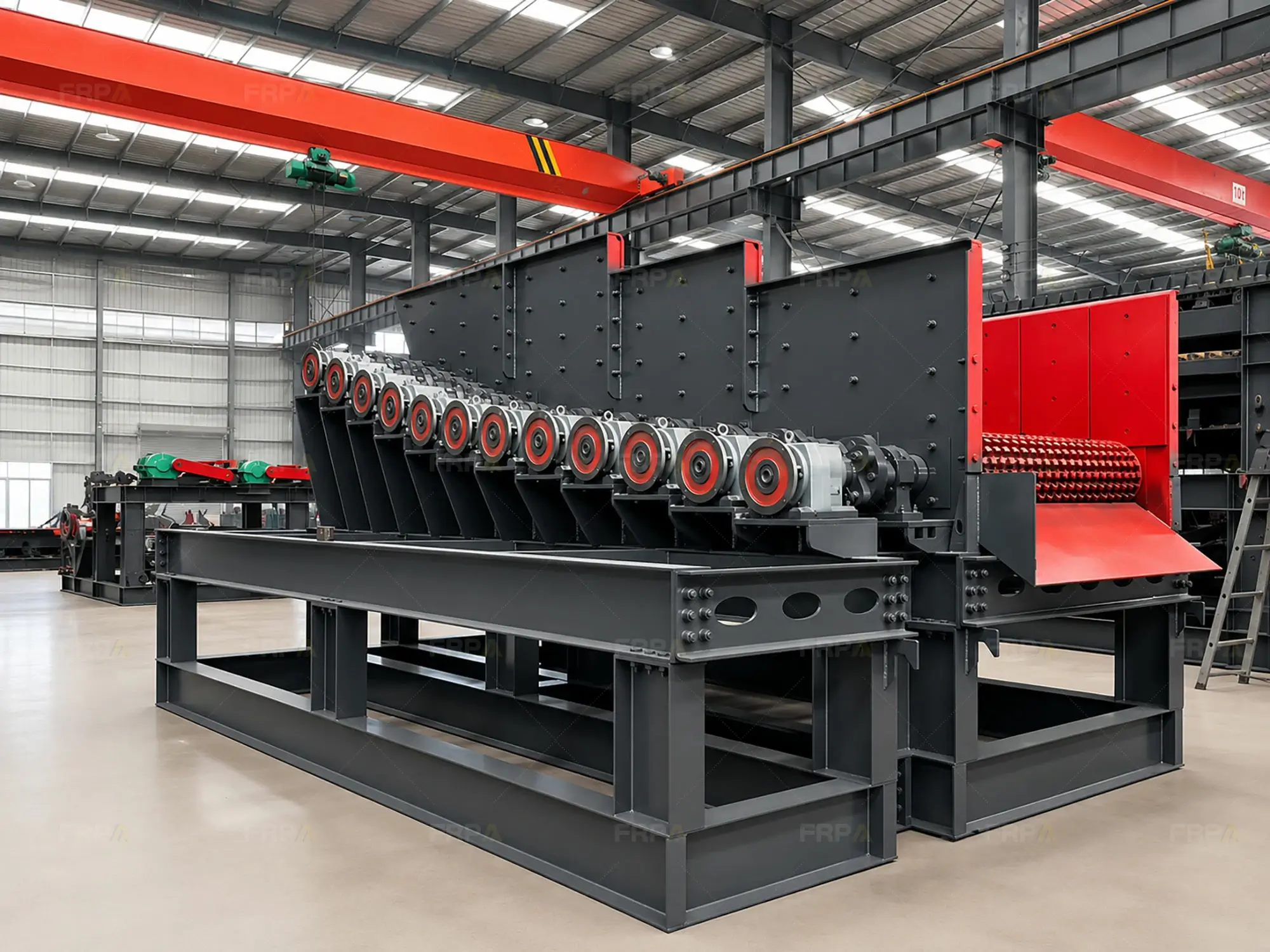
At the screening stage, the focus shifted to handling wet and sticky material. FRP applied an enhanced intelligent roller screen with an independent motor-per-shaft design. This configuration allows operators to adjust the speed of each shaft based on actual material conditions. Under wet conditions, the system enhances material movement and separation, helping to prevent adhesion and maintain screening efficiency.
To ensure long-term durability under high throughput, the roller screen was designed with solid steel shafts instead of hollow tubes, improving torsional strength and operational reliability. The shaft spacing is also adjustable, giving the client flexibility to control final product size and adapt to changing market requirements.
Although the system was designed for 1000 TPH, it achieved a peak throughput of 1300 TPH in actual operation. This increase allowed the client to improve output without extending operating hours, enhancing overall production efficiency.
Performance during the rainy season remained stable. In September 2025, Hubei experienced a continuous week of rainfall, during which many nearby quarries faced screen clogging and were forced to stop production or carry out frequent cleaning. In contrast, this FRP system continued operating throughout the period. The roller screen effectively handled wet limestone, reduced the need for manual intervention, and ensured continuous production.
After more than one year of operation, the system has required only routine lubrication and scheduled maintenance, with no unplanned downtime reported. This level of reliability provides a solid foundation for sustained production and stable returns.
If your quarry is facing challenges such as low product value due to mixed material, instability caused by large rock impact, clogging during wet conditions, or inconsistent product sizing, FRP can provide a screening solution tailored to your site.
Have a question, need advice, or want to schedule an appointment? We're happy to assist with any inquiries you have about our equipment and system solutions.